April 08, 2026 | by: Kuoda Authors


Long before the Inca consolidated power across the Andes, another civilization built in stone high above the cloud forest of northern Peru.
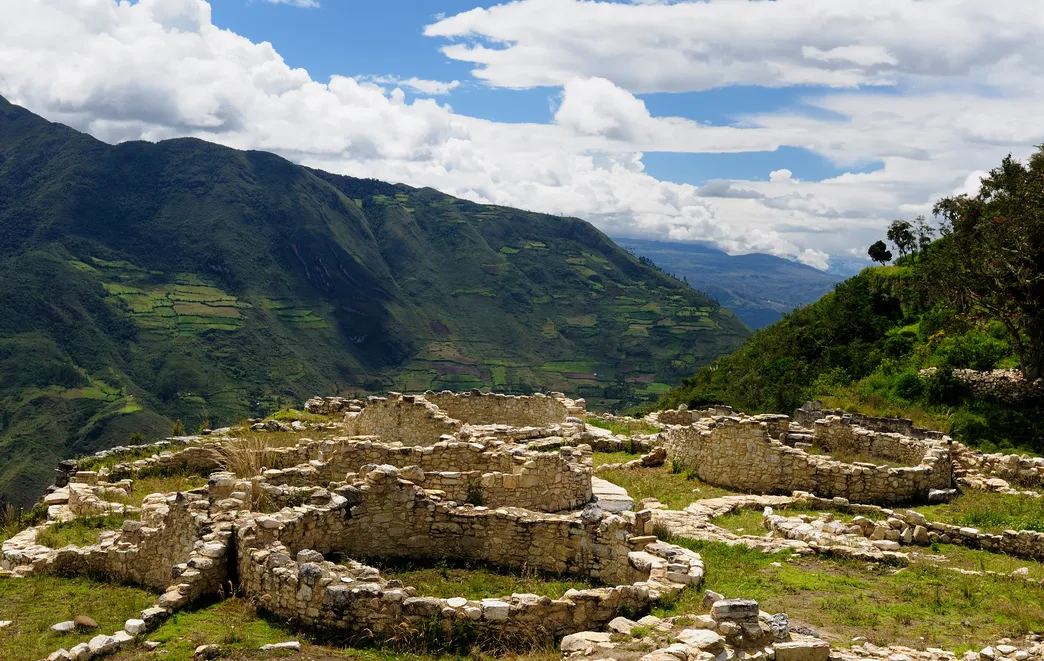
Kuelap stands at over 3,000 meters above sea level, encircled by massive defensive walls that rise dramatically from the ridge. It is often compared to Machu Picchu, though the comparison obscures more than it clarifies. Kuelap is older. Different. Quieter.
For travelers researching Kuelap Peru, the question is rarely about scale alone. It is about access. How to reach this remote citadel without fatigue. How to understand the Chachapoya culture that built it. How to integrate northern Peru into a coherent and refined journey.
Kuelap rewards those who are willing to look beyond the familiar.
Kuelap Peru: A Fortress of the Chachapoya
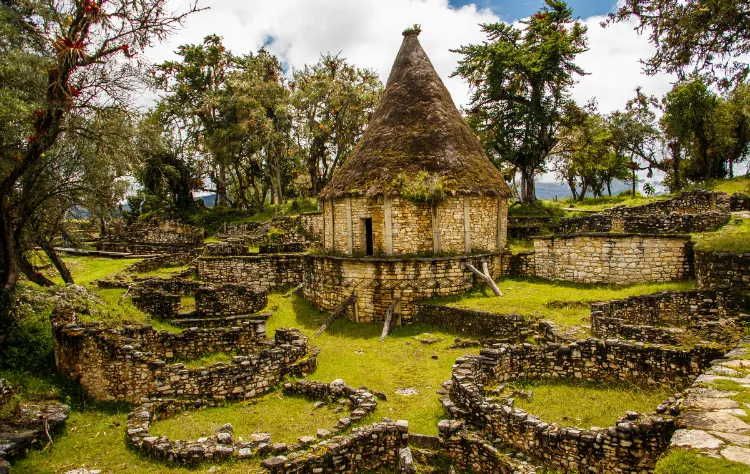
Built by the Chachapoya, known as the “Warriors of the Clouds,” Kuelap occupies a narrow mountain ridge overlooking the Utcubamba Valley. Its outer walls rise nearly 20 meters in some sections, enclosing more than 400 circular stone structures.
Unlike Inca architecture, which favors precision-cut blocks and imperial geometry, Chachapoya design reflects distinct regional identity. Many of the circular buildings feature diamond-shaped friezes embedded into their stonework, symbols that remain partially interpreted.
Arriving at Kuelap Fortress with a knowledgeable private guide transforms the experience. Rather than walking through ruins as isolated remnants, visitors encounter a living narrative of resistance, adaptation, and eventual Inca conquest.
Mist often drifts across the ridge. The atmosphere feels suspended between mountain and forest.
Northern Peru as Cultural Counterpoint
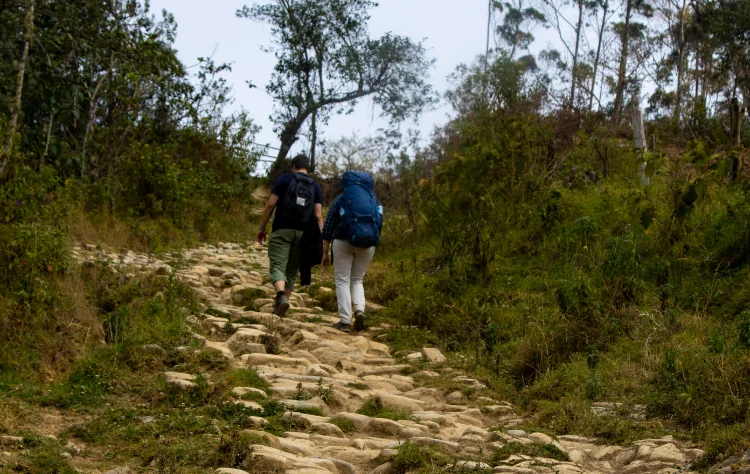
Kuelap Peru sits in the Amazonas region, distinct from the better-known Andean south. The surrounding landscapes combine high-altitude ridges with cloud forest biodiversity.
The town of Chachapoyas serves as the gateway. Smaller and quieter than Cusco, it retains a provincial charm and slower pace.
A thoughtfully designed itinerary may include additional northern highlights, such as the Gocta Waterfall, one of the tallest in the world, or the sarcophagi of Karajía, funerary monuments perched along cliff faces.
Northern Peru reveals a dimension of pre-Columbian history often overshadowed by Inca narratives.
Access and Pacing
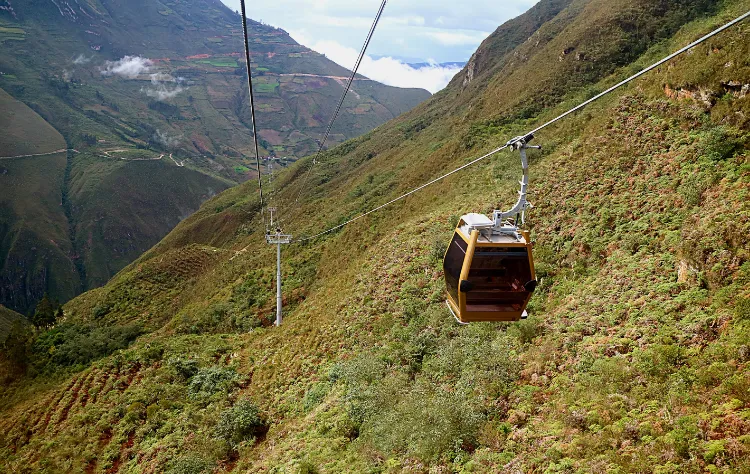
Reaching Kuelap requires intentional planning. Flights from Lima to Jaén or Chachapoyas reduce travel time, followed by scenic overland transfers through winding valleys.
A cable car system now assists with ascent, though weather conditions can influence operations. Private transfers and flexible scheduling ensure smooth access.
Altitude here remains moderate compared to Cusco, but pacing is still essential. A night in Chachapoyas before visiting Kuelap allows acclimatization and reduces fatigue.
Luxury in this region is defined by logistics handled quietly and knowledge shared generously.
Accommodation in Northern Peru
Northern Peru does not offer the density of luxury properties found in the Sacred Valley. However, carefully selected boutique hotels provide comfort aligned with the region’s scale.
Restored colonial homes and countryside lodges offer intimate settings. Interiors emphasize natural materials and regional craftsmanship. Service is personal and attentive.
Kuoda curates properties that maintain architectural integrity and cultural resonance, ensuring that time in Chachapoyas feels connected rather than generic.
Integrating Kuelap Into a Broader Peru Journey
Kuelap Peru works best when framed as a focused northern exploration rather than appended hastily to a southern itinerary.
Travelers might begin in Lima, continue north for cultural immersion in Amazonas, and later transition south toward Cusco and Machu Picchu.
Experiencing both Kuelap and Machu Picchu within a single journey provides architectural and cultural contrast. The former reflects Chachapoya resilience. The latter represents Inca imperial vision.
Kuoda ensures continuity across regions. Flights are timed thoughtfully. Guides are selected for deep subject expertise. Transitions remain seamless.
The narrative remains cohesive.
Sustainability and Regional Stewardship
Northern Peru remains less visited than the southern Andes, offering both opportunity and responsibility.
Supporting local guides and small-scale accommodations contributes directly to regional economies. Controlled visitor flow preserves archaeological integrity.
Kuoda partners with operators who prioritize respectful engagement and environmental awareness. Private travel reduces strain on fragile sites.
Through the Kaypi Kunan Foundation, Kuoda maintains long-term initiatives across Peru, reinforcing community investment beyond tourism.
Recognition as a Tripadvisor Travelers’ Choice 2025 winner reflects sustained trust among travelers who value depth and discretion.
Frequently Asked Questions About Kuelap Peru
Is Kuelap Peru as impressive as Machu Picchu?
Kuelap offers a different architectural and cultural experience. It is less visited and provides a quieter atmosphere, though its structures are equally compelling in scale.
How many days are needed to visit Kuelap?
A minimum of two to three nights in the Chachapoyas region allows for Kuelap and nearby cultural or natural sites.
Is altitude a concern?
At approximately 3,000 meters, altitude is moderate. Gradual pacing and hydration are advisable.
Can Kuelap be combined with other northern sites?
Yes. Gocta Waterfall and the Karajía sarcophagi integrate naturally into a northern Peru itinerary.
Above the Familiar
Kuelap stands apart from Peru’s more recognized landmarks. Its walls rise quietly above cloud forest ridges. Its history predates Inca consolidation.
Traveling here requires curiosity and patience. It rewards both.
When designed thoughtfully within a private, seamless journey, Kuelap Peru becomes more than an alternative to Machu Picchu. It becomes a deeper exploration of Peru’s layered civilizations.
And in that layered understanding, perspective expands.
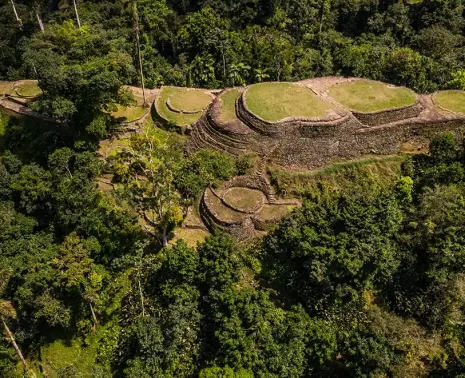
The Lost City Colombia and the Meaning of Reaching It
Some destinations are defined by what they are. Others by what it takes to reach them. The Lost City Col...
Read Post
Best Galápagos Cruises: Choosing the Right Way to Experience the Islands
The phrase “best Galápagos cruises” suggests comparison. Ships, cabins, amenities, itineraries. It invite...
Read Post
Designing an Ecuador Itinerary with Intention: How to Experience the Country Beyond the Obvious
An Ecuador itinerary is often approached as a checklist. A few days in Quito, a quick passage through the Ande...
Read Post
8 DAYS
Luxury Machu Picchu Tours: Unveiling Peru’s Timeless Wonders
Cusco, Lima, Machu Picchu, Sacred Valley

8 DAYS
Peru Family Vacation: Journey to Machu Picchu and Beyond
Cusco, Lima, Machu Picchu, Sacred Valley

11 DAYS
Amazon River Cruise: A Luxury Journey Through the Amazon
Lima, Cusco, Sacred Valley, Machu Picchu, Iquitos, Amazon River