February 25, 2026 | by: Kuoda Authors


Why Facts Alone Are Never Enough
Machu Picchu is often introduced through superlatives. Height. Mystery. Recognition. Yet those details, while accurate, rarely explain why the site continues to resonate so deeply with thoughtful travelers.
The most compelling interesting facts about Machu Picchu are not trivia. They are insights that reveal intention. They explain how the site relates to landscape, how it functioned within a larger Andean system, and why it feels coherent rather than monumental.
Kuoda approaches Machu Picchu from this position. Not as an isolated marvel, but as a place whose meaning emerges through preparation, pacing, and interpretation rooted in local knowledge.
Machu Picchu Was Never Meant to Be Found Alone
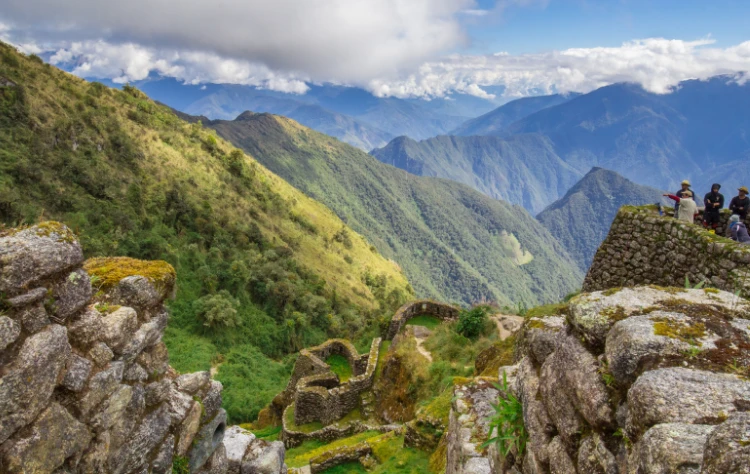
One of the most overlooked facts about Machu Picchu is that it was not designed as a standalone destination.
The site functioned as part of a broader network that included Cusco, the Sacred Valley, and other administrative and ceremonial centers. Movement between these places followed natural contours and water systems rather than straight lines.
Approached without this context, Machu Picchu can feel enigmatic. Approached through the surrounding landscape, it becomes legible.
Kuoda designs journeys that begin well before arrival. Time in the Sacred Valley and Cusco provides essential orientation, allowing travelers to recognize patterns in architecture, agriculture, and ritual that later appear refined at Machu Picchu.
The Site Is an Engineering Conversation With the Mountain
Machu Picchu’s stonework is often admired for precision, but its deeper achievement lies in integration.
Buildings were aligned with existing rock formations rather than imposed upon them. Terraces stabilized the slope while managing water flow. Drainage systems ensured longevity in a region of heavy rainfall.
One of the most revealing interesting facts about Machu Picchu is that a significant portion of the site’s construction lies underground. Foundations and water channels were as carefully designed as temples and residences.
Kuoda’s private guides focus on these relationships. Interpretation emphasizes why structures exist where they do, shifting attention from appearance to intention.
Interesting Facts About Machu Picchu and Its Purpose
Machu Picchu was not a city in the modern sense.
Archaeological evidence suggests it functioned as a royal estate, ceremonial center, and retreat connected to Inca elite and religious practice. Population was limited. Movement was controlled. Spaces were designed for specific uses rather than density.
This explains the site’s sense of order and calm. Even at scale, Machu Picchu feels deliberate.
Kuoda plans visits with this understanding in mind. Routes are selected for flow rather than coverage. Time is allowed for perspective to settle. The experience becomes interpretive rather than accumulative.
Water as the Site’s Organizing Principle

Water shaped Machu Picchu’s layout as much as stone.
Springs were captured, directed, and distributed across the site through channels that balanced function and ritual. Fountains were placed deliberately, often near important structures, reinforcing water’s symbolic and practical role.
An often overlooked interesting fact about Machu Picchu is that its water system continues to function centuries after construction, a testament to Andean engineering knowledge.
Kuoda highlights this continuity quietly, allowing travelers to observe rather than be instructed. Understanding follows naturally.
The Role of Astronomy Without Mythologizing
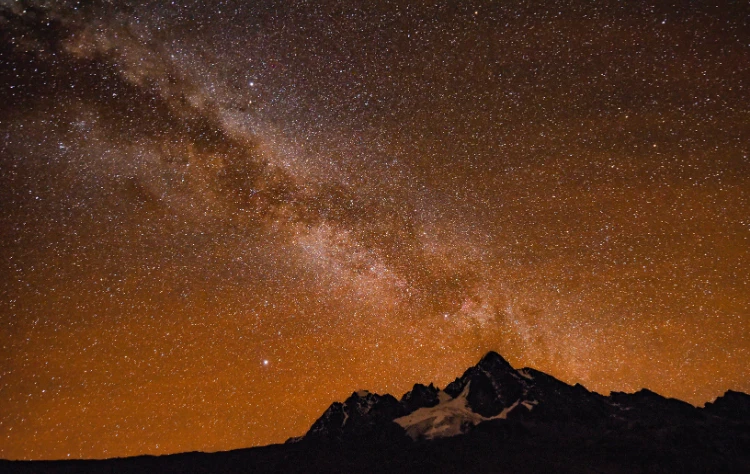
Machu Picchu is frequently associated with astronomical alignment, sometimes overstated.
What is clear is that the Inca observed celestial patterns closely and integrated them into architecture and ritual. Structures such as the Intihuatana were positioned to mark seasonal change rather than to serve as abstract observatories.
Kuoda’s interpretation avoids speculation. Guides explain what is known, what is inferred, and what remains uncertain. This intellectual honesty respects both the site and the traveler.
In doing so, interesting facts about Machu Picchu become grounded rather than romanticized.
Why Timing Changes the Experience Entirely

Machu Picchu’s impact shifts dramatically with timing.
Light alters perception of scale and texture. Crowds influence rhythm and attention. Weather shapes sound and movement.
Kuoda manages timing carefully. Entry windows are selected to reduce congestion. Transitions are designed to feel seamless rather than procedural. These decisions allow the site’s logic to emerge without distraction.
For travelers, this operational subtlety often becomes one of the most meaningful aspects of the visit, even if it goes unnoticed in the moment.
Machu Picchu Within Living Andean Culture
Another essential fact is that Machu Picchu is not disconnected from contemporary Andean life.
The principles that shaped it continue to appear in agriculture, community organization, and land stewardship throughout the region. Visiting Machu Picchu after spending time in surrounding communities reinforces this continuity.
Kuoda integrates cultural encounters before and after the site visit, ensuring that Machu Picchu feels connected rather than isolated.
This perspective transforms the experience from observation to understanding.
Conservation as a Condition of Access
Machu Picchu’s preservation depends on regulation.
Visitor numbers, routes, and behavior are carefully controlled to protect the site’s integrity. These measures are sometimes perceived as limitations, but they are essential to Machu Picchu’s survival.
Kuoda works within these frameworks seamlessly, managing logistics so that conservation protocols feel integrated rather than restrictive.
Through responsible travel practices and community engagement via the Kaypi Kunan Foundation, Kuoda supports long-term stewardship of Peru’s cultural heritage without drawing attention away from the experience itself.
Frequently Asked Questions
What are some lesser-known interesting facts about Machu Picchu?
Many travelers are surprised to learn that much of Machu Picchu’s engineering is underground, particularly its drainage and foundation systems.
Was Machu Picchu ever lost to history?
Machu Picchu was never completely abandoned by local populations, though it remained largely unknown internationally until the early 20th century.
How long should a visit to Machu Picchu last to fully appreciate it?
Most travelers benefit from two to three hours on site, when visits are well timed and guided with intention.
Do interesting facts about Machu Picchu change with new research?
Yes. Archaeological understanding continues to evolve, and Kuoda’s guides stay current, distinguishing established knowledge from ongoing inquiry.
When Knowledge Deepens Experience
Machu Picchu endures not because it is dramatic, but because it is coherent.
Its architecture responds to mountain. Its systems follow water. Its purpose aligns with a worldview that valued balance over dominance. These are the most meaningful interesting facts about Machu Picchu, and they are best understood slowly.
Kuoda’s role is to design the conditions where that understanding can emerge. Through pacing, interpretation, and deep local presence, the site becomes less a place arrived at and more a place comprehended.
In that comprehension, Machu Picchu leaves its most lasting impression.
Peru Travel Advisory: How Local Expertise Transforms Information Into Confidence
Reading Peru Clearly, Not Cautiously Travel advisories are tools. They are broad by design, written to apply ...
Read Post
Peru Family Tours: Designing Journeys That Engage Every Generation
Family Travel as a Shared Experience, Not a Compromise Travel changes when families travel together. Not ...
Read Post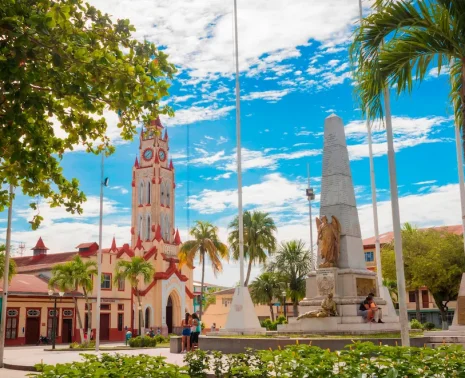
Cities Near the Amazon Rainforest: Gateways Where Geography Meets Daily Life
Why Cities Matter at the Edge of the Amazon The Amazon rainforest is often imagined as vast and uninterrupted...
Read Post
8 DAYS
Luxury Machu Picchu Tours: Unveiling Peru’s Timeless Wonders
Cusco, Lima, Machu Picchu, Sacred Valley

8 DAYS
Peru Family Vacation: Journey to Machu Picchu and Beyond
Cusco, Lima, Machu Picchu, Sacred Valley

11 DAYS
Amazon River Cruise: A Luxury Journey Through the Amazon
Lima, Cusco, Sacred Valley, Machu Picchu, Iquitos, Amazon River