September 21, 2026 | by: Kuoda Authors


An Ecuador itinerary is often approached as a checklist. A few days in Quito, a quick passage through the Andes, perhaps the Galápagos if time allows. On paper, it seems efficient. In practice, it often feels fragmented.
Ecuador does not reward speed. It rewards understanding.
The country’s richness lies not only in its diversity, but in how that diversity is experienced. Altitude shifts, cultural layers, ecological contrasts, and logistical nuances all shape the journey. What appears geographically close can feel worlds apart. What looks simple requires careful timing.
To experience Ecuador well is not about covering ground. It is about designing continuity. It is about knowing where to begin, how to move, and when to pause.
The Ecuador Itinerary as a Sequence, Not a Route
Why Order Changes Everything
An Ecuador itinerary is rarely constrained by distance. It is constrained by how the body and mind adapt to place.
From our base in South America, this is where the difference becomes clear. The same destinations, approached in a different order, can feel entirely distinct. One sequence creates friction. Another creates continuity.
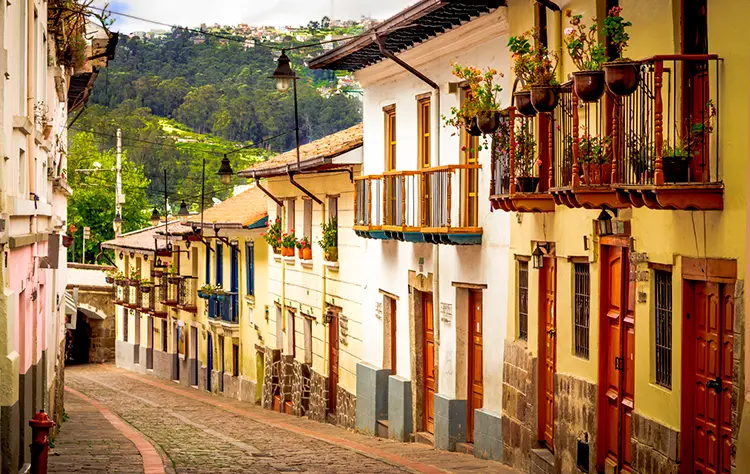
Arriving in Quito, for example, places you immediately at altitude. Moving too quickly from there into deeper Andean regions can turn what should feel expansive into something physically limiting. The experience narrows, not because of the destination, but because of how it was entered.
A well-considered itinerary allows for gradual acclimatization, both physically and culturally. It understands that the first days set the tone for everything that follows.
In Ecuador, sequencing is not logistical. It is experiential.
The Quiet Impact of Transitions
What happens between destinations often determines how they are remembered.
A rushed transfer from the Andes to the cloud forest, or from mainland Ecuador to the Galápagos, can flatten contrast rather than deepen it. The traveler experiences difference without context.
Thoughtful transitions create continuity. They allow one landscape to prepare you for the next. They give space for reflection, so each place feels distinct rather than interchangeable.
This is where most itineraries fall short. They connect places. They do not connect experiences.
Rethinking the Andes Within an Ecuador Itinerary
Beyond Altitude and Views
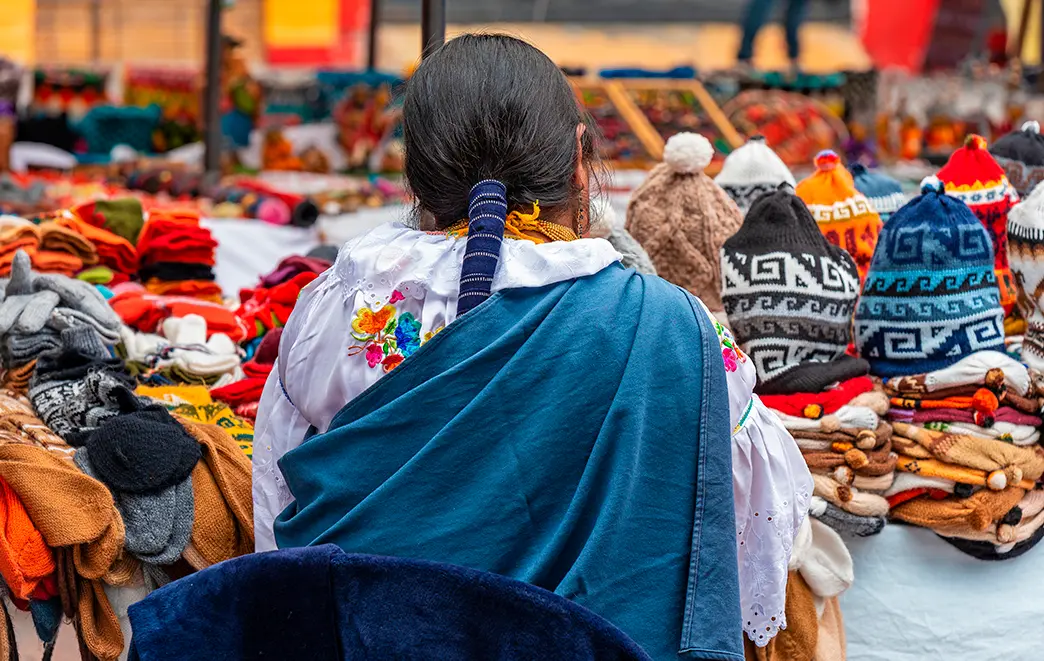
The Andean region is often treated as a visual experience. Volcanoes, valleys, markets. It is seen, photographed, and left behind.
But the Andes are not a backdrop. They are a living cultural framework.
Time spent here should not feel like a stop. It should feel like an immersion into rhythm. Into how communities live, produce, celebrate, and preserve traditions that have existed for generations.
The difference lies in how access is designed. Not every visit to a market creates understanding. Not every encounter with a landscape creates connection.
The Role of Pacing in Cultural Depth
Moving too quickly through the Andes creates distance. Even when physically present, the traveler remains external to the experience.
A slower pace allows for something else to emerge. Conversations extend. Observations deepen. What begins as unfamiliar becomes legible.
An Ecuador itinerary that prioritizes depth over coverage transforms the Andes from a scenic passage into a meaningful experience.
The Galápagos Within the Larger Ecuador Itinerary
Integration, Not Isolation
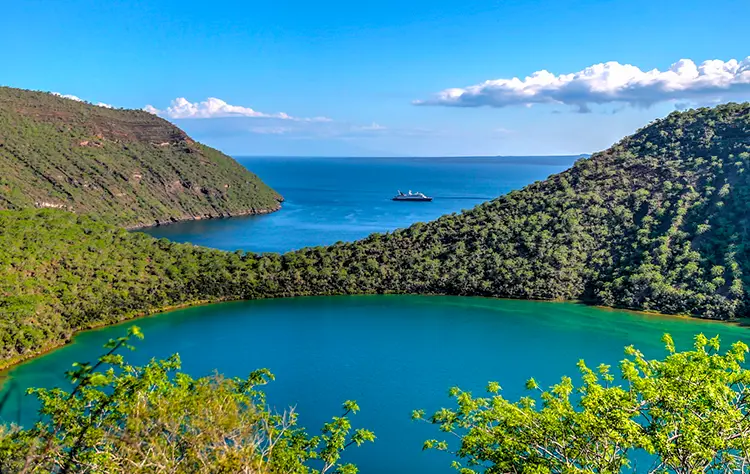
The Galápagos are often treated as a separate journey. A destination added onto Ecuador rather than integrated within it.
This creates a disconnect.
The islands are part of a broader ecological and cultural narrative. They are not an isolated highlight. When approached independently, they can feel extraordinary but detached.
When integrated thoughtfully into an Ecuador itinerary, they gain context. The traveler begins to understand the country not as a series of destinations, but as an interconnected system.
Timing and Perspective
The order in which the Galápagos are experienced matters.
Arriving there immediately after long-haul travel often diminishes the experience. The body has not adjusted. The mind has not settled. The pace feels imposed rather than absorbed.
Positioning the islands after time on the mainland allows for a different kind of presence. The traveler arrives with awareness, not urgency. The experience expands rather than compresses.
What Most Travelers Get Wrong About an Ecuador Itinerary
Overestimating Proximity
Ecuador’s size creates a false sense of ease. Distances appear short. Movement appears simple.
In reality, terrain defines travel. Roads wind through mountains. Weather shifts quickly. Timing requires precision.
An itinerary that appears efficient on a map can feel exhausting in practice. Not because of volume, but because of how that volume is structured.
Misunderstanding Variety
Many travelers attempt to include everything. Highlands, rainforest, coast, islands.
The intention is understandable. The result is often dilution.
Experiencing fewer regions, but experiencing them fully, creates a stronger connection. Ecuador rewards selectivity. It does not reward accumulation.
Prioritizing Highlights Over Flow
The desire to include well-known locations often overrides the need for coherence.
An Ecuador itinerary should not be built around isolated highlights. It should be built around how those highlights relate to one another.
Flow creates meaning. Without it, even extraordinary places feel disconnected.
The Invisible Complexity Behind a Seamless Ecuador Itinerary
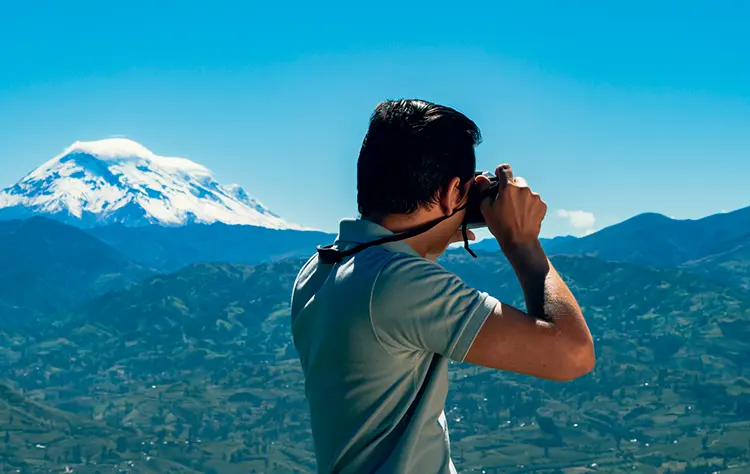
Coordination Beyond the Visible
What appears effortless is rarely simple.
An Ecuador itinerary requires alignment across multiple layers. Transportation schedules, altitude considerations, seasonal conditions, local availability, and cultural timing all interact.
A market visit, for instance, is not simply a location. It depends on the day, the hour, the local context. Arriving at the wrong time changes the experience entirely.
These details are not visible in an itinerary. But they define it.
Local Relationships as Structure
Access in Ecuador is often relational.
Experiences that feel personal, unforced, and meaningful are rarely transactional. They are shaped by long-standing connections, by understanding how and when to engage.
Without this layer, the experience remains surface-level. With it, the journey becomes something else entirely.
This is where design moves beyond planning.
Sustainability as a Design Principle
Sustainability within an Ecuador itinerary is not an added component. It is embedded in how decisions are made.
Choosing where to go, how long to stay, and how to engage with local communities directly impacts the places being visited. Short, extractive encounters offer little value in return. They create imbalance rather than exchange.
A more considered approach prioritizes continuity. Time spent in one place contributes to local economies in a meaningful way. Experiences are designed to respect cultural rhythms rather than interrupt them.
This reflects a broader philosophy that defines how Kuoda approaches travel. Journeys are shaped not only for the traveler, but for the places and people that make them possible .
FAQs
How many days are ideal for an Ecuador itinerary?
An Ecuador itinerary benefits from at least 10 to 14 days. This allows for proper pacing, thoughtful sequencing, and meaningful time within each region rather than constant movement.
Should the Galápagos be included in every Ecuador itinerary?
Not necessarily. The Galápagos are extraordinary, but they should be included only if time allows for a coherent integration. Otherwise, focusing on mainland Ecuador can create a more complete experience.
Is it possible to combine the Andes, Amazon, and Galápagos in one trip?
It is possible, but rarely advisable within a standard timeframe. The experience often becomes compressed. A more selective approach allows for greater depth and continuity.
When is the best time to plan an Ecuador itinerary?
Ecuador can be visited year-round, but timing should be aligned with specific regions and experiences. Seasonality affects not only weather, but also accessibility and cultural events, which shape the journey significantly.
A More Considered Way to Experience Ecuador
An Ecuador itinerary is not defined by where you go. It is defined by how those places are understood, connected, and experienced.
The difference between a trip that feels full and one that feels meaningful lies in design.
When timing is considered, transitions are intentional, and pacing is respected, Ecuador reveals itself differently. Landscapes are no longer just seen. They are understood. Encounters are no longer brief. They are felt.
What appears effortless is rarely accidental. It is shaped through knowledge, through presence, and through an understanding of how each element belongs within a larger whole.
The journey begins there. Not with a destination, but with an understanding of how you want to experience it.
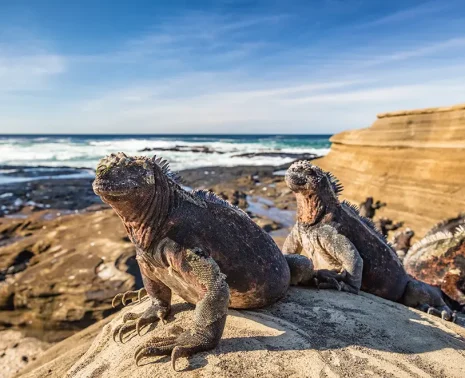
Luxury Cruise Galapagos and the Art of Moving Through a Protected World
The Galápagos Islands are not a destination that can be approached casually. They operate under a differen...
Read Post
Things to Do in Mendoza Argentina: Experiencing the Region Through Pace, Landscape, and Wine Culture
The question of things to do in Mendoza Argentina often leads to a familiar answer. Wine tastings, vineyard...
Read Post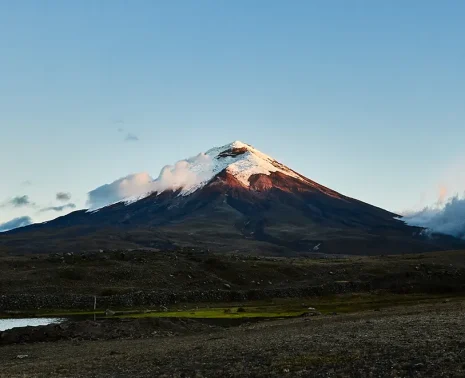
Best Time to Visit Ecuador: Choosing When Based on How You Want to Experience It
The question of the best time to visit Ecuador is often answered with a calendar. Dry season. Rainy season....
Read Post
8 DAYS
Luxury Machu Picchu Tours: Unveiling Peru’s Timeless Wonders
Cusco, Lima, Machu Picchu, Sacred Valley

8 DAYS
Peru Family Vacation: Journey to Machu Picchu and Beyond
Cusco, Lima, Machu Picchu, Sacred Valley

11 DAYS
Amazon River Cruise: A Luxury Journey Through the Amazon
Lima, Cusco, Sacred Valley, Machu Picchu, Iquitos, Amazon River