November 12, 2026 | by: Kuoda Authors


Winter in Peru runs approximately from June through August, but the experience varies considerably across the country. The Andean highlands generally enjoy drier days and clearer mountain views, Lima experiences cool temperatures and overcast skies, and the Amazon remains warm and humid. Understanding these differences helps travelers choose destinations and prepare for the conditions they are likely to encounter.
For those interested in archaeology, mountain scenery, and cultural experiences, winter can be an excellent time to explore Cusco, the Sacred Valley, and Machu Picchu. However, colder nights at altitude and increased visitor demand require thoughtful planning. With the right itinerary, travelers can experience Peru’s diverse landscapes at a comfortable pace while making the most of the season.
When Is Winter in Peru?

Winter in Peru takes place approximately from June through August, following the Southern Hemisphere’s seasonal calendar. This is the opposite of winter in the United States, Canada, and Europe, where the coldest months typically fall between December and February.
June marks the beginning of winter, around the June solstice. July is often one of the coldest months in the Andean highlands, particularly at night, while August continues to bring generally dry conditions to the mountains.
The Peru winter months do not produce the same weather nationwide. Cusco and the Sacred Valley experience relatively dry conditions, Lima is often overcast, and the Amazon remains tropical.
| Month | General conditions |
|---|---|
| June | Generally dry Andean conditions, sunny days, and cold nights |
| July | Dry highland weather, cold nights, and high visitor demand |
| August | Sunny, relatively dry Andean days, with cold mornings and evenings |
These are seasonal patterns rather than guarantees. Elevation and local geography influence temperatures and rainfall, so conditions can vary between destinations.
What Is Winter Weather Like in Peru?

Peru’s three main geographical regions—the Andes, the Pacific coast, and the Amazon—have distinct climates. Winter weather in Peru can mean crisp mountain mornings, misty coastal afternoons, or warm rainforest conditions.
Winter in the Andes
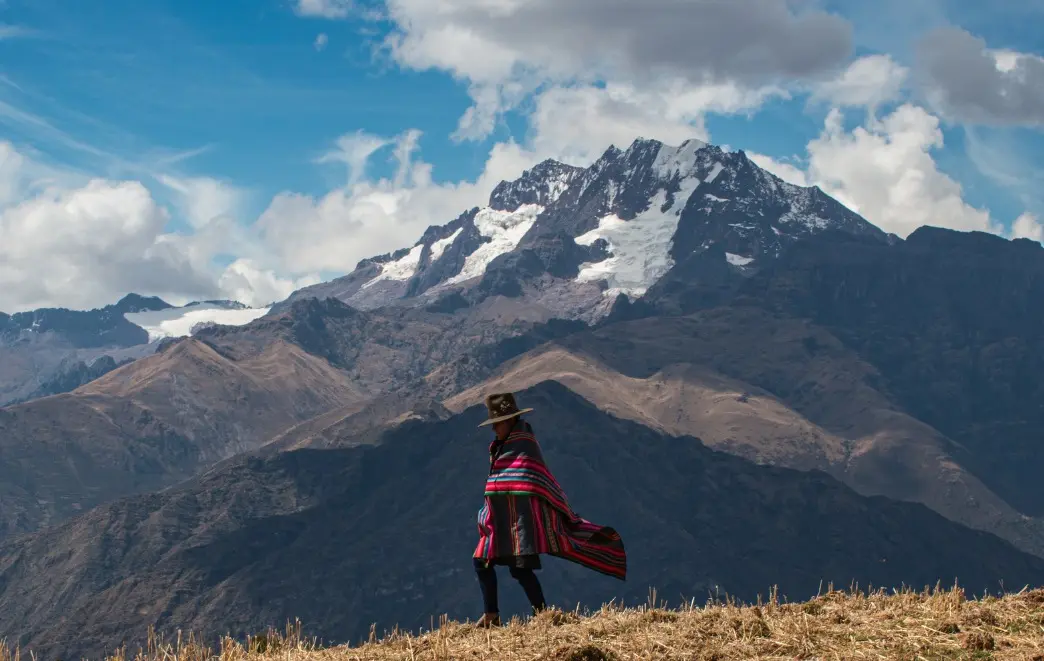
The Andes, including Cusco, the Sacred Valley, Machu Picchu, and Lake Titicaca, experience some of their driest conditions between June and August. This period overlaps with the region’s dry season, bringing generally clearer skies and favorable conditions for exploring archaeological sites and mountain landscapes.
During the day, sunshine can make outdoor sightseeing pleasant. After sunset, temperatures can fall sharply, especially at higher elevations. This contrast is characteristic of Cusco winter weather, making layers essential for travelers.
The Sacred Valley can feel milder than Cusco because many of its towns sit at lower elevations. Machu Picchu, however, has a different climate because of its location near the cloud forest. Mist, humidity, and occasional rain remain possible, even during the drier months.
Lake Titicaca offers another high-altitude experience, with sunny days often followed by particularly cold nights. Warm clothing and protection from the wind are important, especially during boat excursions.
Winter on Peru’s Coast

Winter along Peru’s Pacific coast is generally cool rather than severely cold. Lima frequently experiences overcast skies, high humidity, and a fine marine mist known as garúa. Despite the persistent cloud cover, actual rainfall is generally limited.
A sweater or light jacket is often sufficient for daytime sightseeing, although mornings and evenings can feel chilly near the ocean. Winter is still a good time to explore Lima’s museums, historic center, neighborhoods, and celebrated culinary scene.
Further south, Paracas has a coastal desert climate, while northern destinations such as Máncora generally experience sunnier conditions during these months. The coast should not be treated as a single climate zone: conditions vary according to location.
Winter in the Peruvian Amazon
The Peruvian Amazon does not experience a traditional winter. Destinations such as Tambopata and Iquitos remain warm and humid throughout the year, although rainfall and river levels vary seasonally.
Some periods between June and August bring comparatively lower rainfall to parts of the Amazon, creating opportunities for guided forest walks and wildlife observation. However, showers remain possible, and conditions vary by location.
Lightweight clothing, comfortable footwear, a rain jacket, and sun protection are useful for rainforest excursions. Travelers combining the Amazon with the Andes should prepare for very different environments.
Is Winter a Good Time to Visit Peru?

Yes. Winter can be an excellent time to visit Peru, particularly for travelers interested in Andean archaeology, mountain scenery, trekking, and cultural experiences.
In the highlands, lower rainfall generally creates more stable conditions for outdoor activities. Clearer skies can offer excellent mountain views, while drier trails can make many excursions more comfortable.
The main consideration is demand. June, July, and August are popular months for visiting Cusco and Machu Picchu, and accommodation, train services, and entry tickets can sell out in advance. Cold nights at altitude are another factor to consider.
Rather than assuming winter is automatically the best season, consider your preferred activities, destinations, and flexibility with travel dates. Our guide to the best time to visit Peru offers additional context for comparing seasons.
Machu Picchu in Winter
Machu Picchu in winter is a popular choice because June, July, and August generally bring lower rainfall than the height of the rainy season. These conditions can offer favorable opportunities to explore the Inca citadel and its surrounding mountain scenery.
However, Machu Picchu’s cloud forest location means mist, cloud cover, and occasional rain remain possible. Travelers should bring a light waterproof layer alongside sun protection.
Visitor demand is particularly high during these months, so entry tickets, train journeys, and preferred accommodation should be arranged well in advance. Private guides and carefully selected entry times can help travelers explore the site at a comfortable pace and gain a deeper understanding of its history and architecture.
Combining Machu Picchu with Cusco and the Sacred Valley also allows time to adjust to altitude and enjoy the region without rushing between destinations.
Best Places to Visit in Peru During Winter

The best destinations depend on your interests and the experiences you want to prioritize.
Cusco and the Sacred Valley: Explore Inca archaeological sites, historic towns, traditional communities, and mountain landscapes. Allow time to acclimatize and enjoy the region at a comfortable pace.
Machu Picchu: Discover the history and architecture of the Inca citadel with a knowledgeable guide. Advance reservations are especially important during the busiest months.
Lake Titicaca: Experience lakeside communities, cultural traditions, and expansive high-altitude landscapes. Prepare for cold evenings and strong sunlight.
The Peruvian Amazon: Add a contrasting perspective through rainforest excursions and wildlife experiences in destinations such as Tambopata or Iquitos.
Lima: Explore the capital’s culinary scene, museums, historic architecture, and contemporary culture before continuing to other regions.
Together, these destinations offer a varied introduction to Peru, from its coastal culture to its Andean heritage and rainforest biodiversity. A well-planned itinerary allows time to appreciate each region without making the journey feel rushed.
What to Wear in Peru During Winter
Knowing what to wear in Peru in winter depends on your itinerary. Temperatures can change significantly between regions and throughout the day, so versatile layers are more useful than packing for a single climate.
For the Andes, bring a warm jacket for cold mornings and evenings, comfortable walking shoes, and sun protection. A light waterproof jacket is useful around Machu Picchu and the Sacred Valley, where mist and occasional showers remain possible.
In Lima, a sweater or light jacket is generally suitable for cooler, humid conditions. In the Amazon, prioritize lightweight, breathable clothing and protection from rain and sun.
A practical packing list includes:
- Layered clothing for changing temperatures.
- A warm jacket for high-altitude mornings and evenings.
- Comfortable walking shoes with good grip.
- A light waterproof jacket.
- Sunscreen, sunglasses, and a hat.
- Lightweight clothing for warm, humid destinations.
Pack according to the regions you plan to visit rather than the season alone. A journey combining Lima, the Andes, and the Amazon requires clothing for several distinct environments.
Winter in Peru vs. the Dry Season
Winter and the dry season are related, but they are not interchangeable. Winter refers to a season of the year, running approximately from June through August. The dry season describes a period of lower rainfall, particularly in the Andes, where it generally extends beyond winter.
The two overlap in Cusco, the Sacred Valley, and Machu Picchu, which is one reason these months are popular for trekking and archaeological exploration. However, the coast and Amazon follow different climatic patterns.
Understanding this distinction helps travelers avoid assuming that winter means dry weather everywhere. For more detail, read our guide to Peru’s dry season.
Winter vs. Rainy Season: Which Is Better?
Neither season is right for every traveler. The best choice depends on your priorities and comfort with changing weather.
| Consideration | Winter and drier Andean months | Rainy season |
|---|---|---|
| Mountain views | Generally clearer skies | More variable visibility |
| Trekking | Often drier trail conditions | Wetter trails and changing conditions |
| Landscapes | Clear mountain scenery | Lush green vegetation |
| Visitor numbers | Higher demand, especially June–August | Generally fewer visitors in many Andean destinations |
Winter suits travelers prioritizing outdoor exploration and relatively stable Andean conditions. The rainy season may appeal to those who prefer greener landscapes and are comfortable with more variable weather.
Neither season guarantees ideal conditions every day. Learn more in our guide to the rainy season in Peru.
Planning a Private Peru Journey in Winter
Planning a private journey during winter in Peru means considering more than the weather. Altitude, regional climates, availability, and travel pace all influence how destinations fit together.
Because June, July, and August are popular months, it is wise to arrange Machu Picchu entry tickets, trains, accommodation, and private guides well in advance. Allowing time to acclimatize and balancing active days with more relaxed experiences can also make the journey more comfortable.
Travelers combining the Andes with Lima or the Amazon should account for the significant differences between climates. The right clothing, activities, and daily rhythm will vary from one region to another.
Kuoda’s travel designers can help coordinate these details around your interests, preferred pace, and seasonal priorities. Whether your focus is Andean history, mountain landscapes, cultural encounters, or a combination of regions, thoughtful planning brings each part of the journey together.
Explore our guide to the best time to visit Peru or visit our Peru trip-planning page to begin designing a private journey.
Frequently Asked Questions About Winter in Peru
When is winter in Peru?
Winter in Peru runs approximately from June through August. These months generally overlap with the dry season in the Andes, while the coast and Amazon experience different weather patterns.
Is July winter in Peru?
Yes. July falls in the middle of Peru’s winter and is often one of the coldest months at night in the Andean highlands. It is also a busy travel month, so advance reservations are recommended.
How cold does Peru get in winter?
There is no single Peru winter temperature. Andean nights can approach or fall below freezing at higher elevations, while Lima is generally cool and humid and the Amazon remains warm.
Is winter a good time to visit Machu Picchu?
Yes. June through August generally brings lower rainfall and favorable conditions for exploring Machu Picchu, although mist and occasional rain remain possible. Booking entry tickets and trains in advance is recommended.
What should I wear in Peru during winter?
Pack layers, a warm jacket for high-altitude destinations, comfortable walking shoes, sunscreen, sunglasses, and a light waterproof jacket. Add clothing suited to Lima’s cool conditions or the Amazon’s warm, humid climate if visiting those regions.
Ready to plan your journey? Start planning your private Peru trip with Kuoda.
Rainy Season in Peru: When It Is and What to Expect
When is the rainy season in Peru, and what should travelers actually expect? Understanding how the wet season ...
Read Post
Dry Season in Peru: Best Months, Weather & What Travelers Should Know
When is the dry season in Peru, and what can travelers truly expect during these months? Understanding Peru’...
Read Post
Best Time to Visit Peru: When to Go by Region & Experience
Planning a journey to Peru is an exciting step toward exploring a land of extraordinary diversity, from the so...
Read Post
8 DAYS
Luxury Machu Picchu Tours: Unveiling Peru’s Timeless Wonders
Cusco, Lima, Machu Picchu, Sacred Valley

8 DAYS
Peru Family Vacation: Journey to Machu Picchu and Beyond
Cusco, Lima, Machu Picchu, Sacred Valley

11 DAYS
Amazon River Cruise: A Luxury Journey Through the Amazon
Lima, Cusco, Sacred Valley, Machu Picchu, Iquitos, Amazon River