April 10, 2026 | by: Kuoda Authors


Some cities assert themselves immediately. Others unfold gradually. Cuenca belongs to the latter.
Set in Ecuador’s southern highlands at nearly 2,600 meters above sea level, Cuenca carries a different cadence from Quito or Guayaquil. Its historic center is composed rather than grand. Its plazas invite pause rather than procession. Its surrounding valleys soften the Andes into cultivated green.
For travelers researching Cuenca Ecuador, the underlying question is not simply what to see. It is how to experience the city properly. How to engage with its architectural legacy and artisan traditions without turning them into museum pieces. How to integrate it into a broader Ecuador journey with coherence and ease.
Cuenca rewards attention.
Cuenca Ecuador: Colonial Architecture and Living Heritage
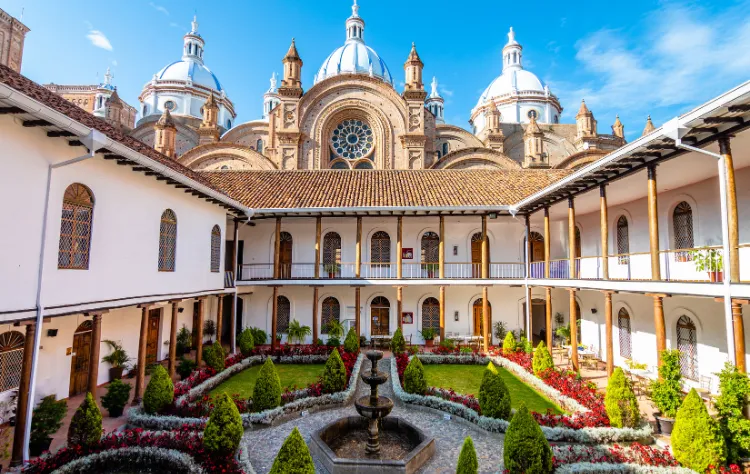
Cuenca’s historic center is a UNESCO World Heritage Site, yet it does not feel staged. Churches rise above cobblestone streets. Balconies lean slightly over narrow lanes. Daily life continues beneath cathedral domes.
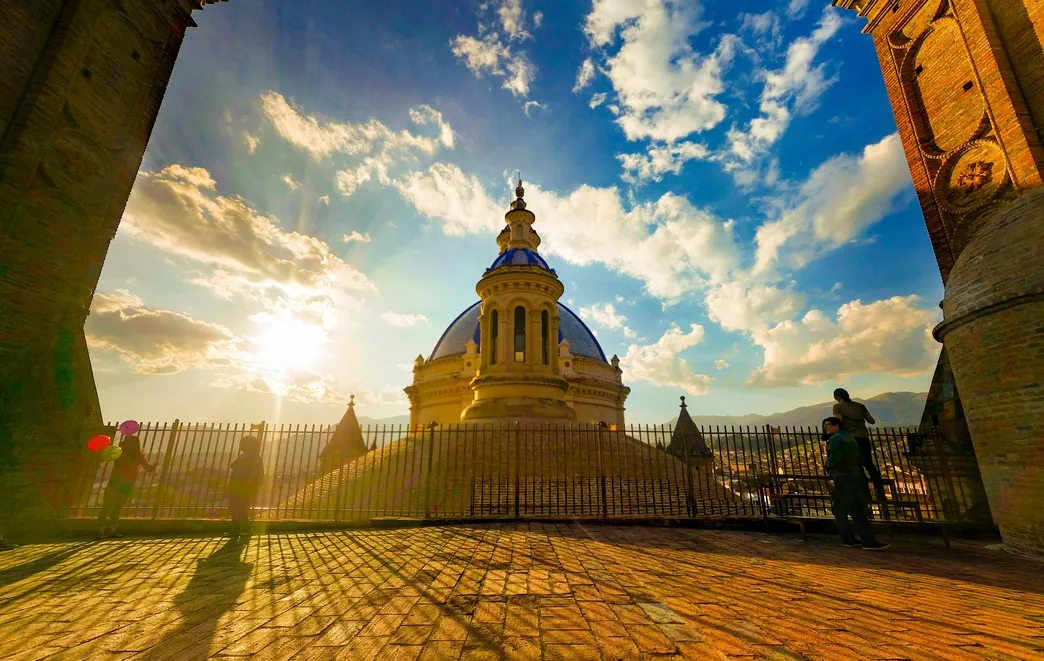
The skyline is defined by the blue domes of New Cathedral of Cuenca, whose scale contrasts with the more intimate streets surrounding it. Nearby, the older cathedral and adjacent plazas create layered architectural dialogue.
A private walking exploration introduces the city’s evolution from Cañari settlement to Inca presence to Spanish colonial foundation. Context deepens appreciation. Stone facades become narrative rather than backdrop.
Cuenca Ecuador is less about monumental scale and more about continuity.
Craft as Cultural Identity

Cuenca is known internationally for Panama hats, though their origin is Ecuadorian rather than Panamanian. Workshops in and around the city continue to weave these hats by hand using toquilla straw.
Visiting a small atelier privately, observing the weaving process, and speaking directly with artisans reframes the object. It is not souvenir. It is generational skill.
Beyond hats, Cuenca supports ceramicists, jewelers, and textile artists whose work reflects Andean aesthetics shaped by both indigenous and colonial influence.
Engagement here should feel conversational, not transactional. Kuoda arranges artisan visits with discretion, ensuring that exchanges are meaningful and respectful.
Rivers and Surrounding Valleys
Cuenca sits at the confluence of four rivers, which shape its urban design and provide natural pathways for walking.
The Tomebamba River, in particular, defines the city’s edge. Early morning walks along its banks reveal colonial houses perched above water, their foundations blending into Andean stone.
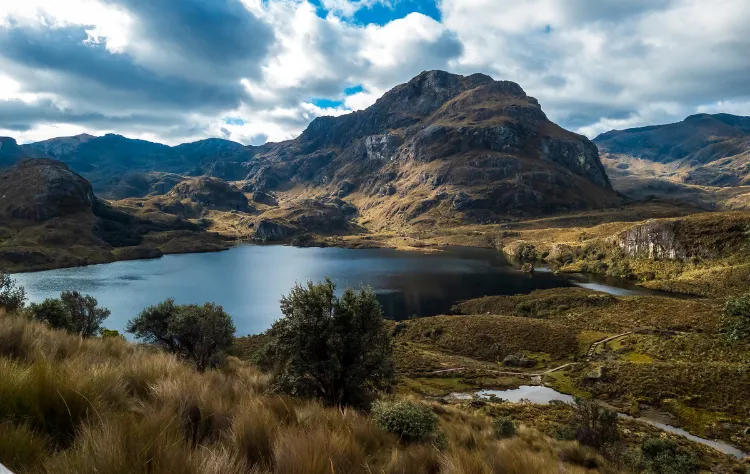
Beyond the city, the Cajas National Park introduces high-altitude lakes and páramo ecosystems. Excursions into this landscape require careful pacing due to elevation, but reward with dramatic scenery and quiet reflection.
Cuenca Ecuador becomes more compelling when understood in relation to its environment.
Gastronomy in the Southern Highlands
Ecuadorian cuisine shifts subtly in Cuenca. Highland agriculture influences menus. Corn varieties differ from those found in the north. Local cheeses and Andean grains appear in both traditional and contemporary dishes.
Boutique restaurants in the historic center reinterpret regional ingredients with refinement. Dining here feels intimate rather than performative.
A thoughtfully designed evening might combine a guided architectural walk at dusk with a reservation at a locally celebrated restaurant, where conversation unfolds unhurriedly.
In Cuenca, meals tend to extend naturally. The pace mirrors the city itself.
Integrating Cuenca Into a Broader Ecuador Journey
Cuenca is often positioned as a cultural complement to Quito or the Galápagos. The transition from Quito to Cuenca highlights differences in scale and atmosphere. Quito feels elevated and expansive. Cuenca feels intimate and residential.
Some travelers combine Cuenca with the Galápagos Islands, creating contrast between Andean architecture and volcanic isolation. Others integrate the southern highlands into a longer Andean exploration.
Kuoda ensures that domestic flights or scenic overland transfers are timed carefully, minimizing fatigue. Boutique accommodations in restored colonial homes preserve architectural integrity while offering modern comfort.
The goal is continuity.
The Right Place to Stay
In Cuenca, smaller properties tend to align best with the city’s character. Restored mansions converted into boutique hotels provide architectural authenticity without sacrificing privacy.
High ceilings, interior courtyards, and locally sourced materials create atmosphere. Service remains attentive yet unobtrusive.
Kuoda prioritizes properties where design reflects place and scale remains intimate. In a city defined by craft and detail, accommodation should echo those qualities.
Responsible Presence
Cuenca’s artisan traditions and historic neighborhoods remain active parts of daily life. Responsible travel here means supporting local workshops and restaurants while respecting residential rhythms.
Kuoda collaborates with local guides and small-scale businesses who prioritize community engagement and sustainability. Private visits reduce strain and allow for genuine interaction.
Through the Kaypi Kunan Foundation, Kuoda maintains broader community initiatives across South America, reinforcing stewardship grounded in long-term relationships.
Recognition as a Tripadvisor Travelers’ Choice 2025 winner reflects consistent trust from travelers who value thoughtful design and cultural fluency.
Frequently Asked Questions About Cuenca Ecuador
How many nights are ideal in Cuenca Ecuador?
Two to three nights allow for architectural exploration, artisan visits, and optional excursions into surrounding highlands.
Is Cuenca at high altitude?
Yes. At approximately 2,600 meters, gradual acclimatization similar to Quito is advisable.
Is Cuenca suitable for luxury travel?
Yes. Boutique properties and curated cultural experiences offer refined comfort without compromising authenticity.
Can Cuenca be combined with Peru?
Absolutely. Southern Ecuador pairs naturally with northern Peru for travelers interested in Andean cultural continuity.
A City That Invites Pause
Cuenca does not compete for attention. It invites it.
Light falls gently across cathedral domes. Artisans weave quietly in small workshops. Rivers shape the city’s edges without urgency.
Experiencing Cuenca Ecuador thoughtfully means allowing space for observation. Moving at a pace aligned with its streets.
When integrated into a private, seamlessly designed journey, Cuenca becomes less a stop on a map and more a measured interlude.
And sometimes, that is precisely what a journey requires.
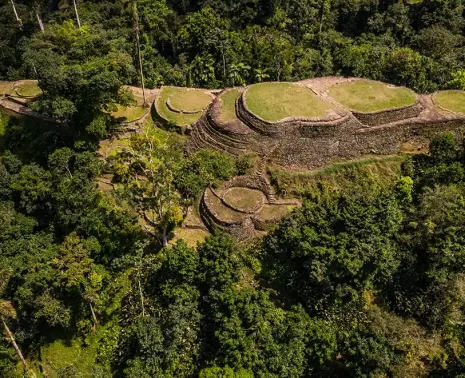
The Lost City Colombia and the Meaning of Reaching It
Some destinations are defined by what they are. Others by what it takes to reach them. The Lost City Col...
Read Post
Best Galápagos Cruises: Choosing the Right Way to Experience the Islands
The phrase “best Galápagos cruises” suggests comparison. Ships, cabins, amenities, itineraries. It invite...
Read Post
Designing an Ecuador Itinerary with Intention: How to Experience the Country Beyond the Obvious
An Ecuador itinerary is often approached as a checklist. A few days in Quito, a quick passage through the Ande...
Read Post
8 DAYS
Luxury Machu Picchu Tours: Unveiling Peru’s Timeless Wonders
Cusco, Lima, Machu Picchu, Sacred Valley

8 DAYS
Peru Family Vacation: Journey to Machu Picchu and Beyond
Cusco, Lima, Machu Picchu, Sacred Valley

11 DAYS
Amazon River Cruise: A Luxury Journey Through the Amazon
Lima, Cusco, Sacred Valley, Machu Picchu, Iquitos, Amazon River