August 05, 2026 | by: Kuoda Authors


Colombia is a country that expresses itself through regional identity.
The Caribbean coast feels warm, colorful, and rhythmically open. The Coffee Region moves more slowly through mountain landscapes and agricultural continuity. Bogotá introduces altitude, complexity, and contemporary urban culture, while smaller colonial towns preserve quieter traditions shaped by geography and history.
This diversity shapes Colombian cuisine completely.
Food here is not experienced as one unified national style. It changes dramatically between regions, climates, elevations, and cultural influences. This is what makes Colombia culinary journeys so compelling when approached thoughtfully. Travelers begin understanding the country not only through landscapes or cities, but through how flavor, ingredients, and dining culture evolve across the journey itself.
Colombia reveals itself gradually through atmosphere, conversation, and the relationship between place and food.
Culinary Travel in Colombia Is Deeply Regional
One of the most distinctive aspects of Colombia’s culinary identity is how strongly it reflects geography.
The Caribbean coast introduces tropical ingredients, seafood, fresh fruit, and Afro-Caribbean influence shaped by heat, music, and coastal rhythm. The Coffee Region feels entirely different, grounded in mountain agriculture, slower pace, and ingredients tied closely to the Andes. Bogotá’s culinary scene reflects the complexity of a capital city where regional traditions meet contemporary interpretation.
These differences matter enormously.
Colombia culinary journeys become meaningful when travelers experience how cuisine changes naturally alongside landscape and atmosphere rather than treating meals as isolated experiences disconnected from the country itself.
Travelers often remember these transitions emotionally: fresh Caribbean flavors after long afternoons near the coast, slower mountain meals in coffee country, or elegant contemporary dining in Bogotá after days immersed in colonial towns and rural landscapes.
The strongest journeys preserve these regional contrasts carefully.
Cartagena and the Rhythm of the Caribbean

Cartagena often becomes one of the emotional highlights of culinary travel in Colombia.
The city operates through atmosphere. Heat softens movement during the day. Evenings unfold gradually through music, conversation, rooftop dining, and streets that feel alive long after sunset. Culinary experiences here reflect that rhythm naturally.
Meals feel social rather than rushed.
Seafood, tropical fruits, Caribbean spices, and local cooking traditions all shape the dining culture of the city, but what travelers often remember most is the atmosphere surrounding the food itself. Open-air courtyards, colonial architecture, changing evening light, and the slower pace of Caribbean evenings all contribute to the experience.
Colombia culinary journeys work particularly well in Cartagena because the city encourages travelers to linger rather than consume experiences quickly.
The emotional rhythm of the destination becomes inseparable from the cuisine itself.
The Coffee Region and Agricultural Continuity

The Coffee Region introduces another entirely different culinary atmosphere.
Mountain landscapes, agricultural traditions, and slower daily rhythm create a softer relationship with food and travel altogether. Travelers often notice how naturally mornings become quieter and meals become longer once they settle into the region.
This continuity matters.
The strongest culinary experiences in coffee country are rarely only about coffee itself. They emerge through understanding how agriculture shapes the pace of life, local ingredients, and the emotional atmosphere of the region surrounding them.
Fresh produce, slower cooking traditions, mountain climate, and environmental stillness all contribute to a culinary experience that feels grounded rather than performative.
Travelers begin connecting food to landscape more instinctively here.
Bogotá and Contemporary Colombian Cuisine
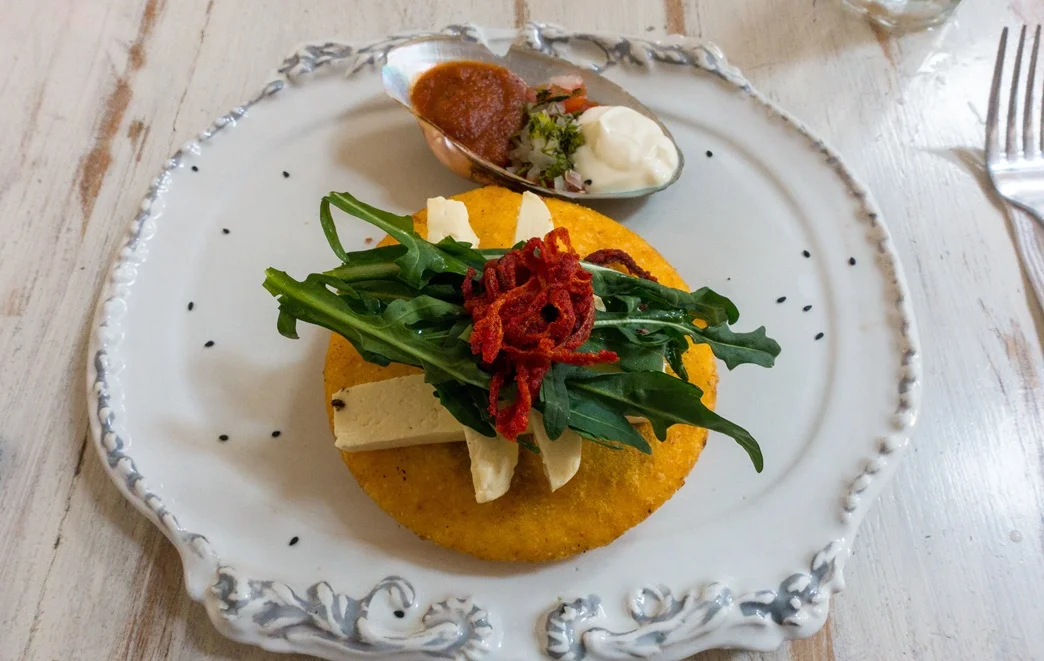
Bogotá reveals another layer of Colombia’s culinary identity entirely.
The city combines regional traditions with contemporary creativity in ways that reflect Colombia’s evolving cultural confidence. Altitude changes atmosphere immediately, creating cooler evenings, slower pacing, and a different relationship with dining than travelers experience along the Caribbean coast.
Bogotá’s culinary scene feels thoughtful and layered.
Travelers encounter reinterpretations of traditional ingredients, modern Colombian gastronomy, and dining experiences that balance refinement with strong regional identity rather than imitating international luxury trends disconnected from place.
This balance is important.
The strongest Colombia culinary journeys preserve authenticity while still allowing travelers to experience the country’s contemporary creative energy.
Food becomes part of understanding how Colombia itself is evolving culturally.
Why Culinary Travel Requires Slower Pacing
Colombia responds particularly well to slower forms of travel.
The country’s emotional richness emerges gradually through conversation, atmosphere, regional rhythm, and local interaction rather than through rapid sightseeing alone. Culinary experiences deepen naturally when travelers remain long enough within each environment for meals to feel integrated into daily rhythm rather than scheduled attractions.
This is especially important because Colombian hospitality feels deeply relational.
Meals are rarely rushed. Conversation matters. Atmosphere matters. Travelers who move too quickly often experience excellent cuisine without fully absorbing the cultural warmth surrounding it.
The strongest Colombia culinary journeys leave room for:
- longer dinners
- quieter mornings
- regional contrast
- slower transitions between environments
- observation beyond formal dining experiences
Food becomes one way of understanding how the country itself moves.
Culinary Travel Beyond Restaurants
One of the reasons Colombia works so beautifully for culinary exploration is that food remains deeply connected to everyday life throughout the country.
Markets, fruit stands, coffee farms, family-run kitchens, colonial towns, and regional traditions all contribute to the broader culinary atmosphere. Travelers often discover that some of the most memorable experiences emerge outside formal fine dining entirely.
A slower breakfast in coffee country. Fresh tropical fruit near the Caribbean coast. Long conversations over dinner inside colonial courtyards. Coffee shared while overlooking mountain landscapes.
These quieter moments often shape travelers’ emotional connection to Colombia more powerfully than highly structured culinary programming alone.
Local Expertise and Thoughtful Culinary Design
Colombia’s culinary identity is layered and regional, which means thoughtful sequencing matters enormously.
Travelers moving directly from the Caribbean coast into Bogotá or from mountain landscapes into colonial towns experience dramatic shifts in pace, atmosphere, and cuisine. The strongest journeys understand how to balance those transitions carefully.
From our base in South America, we regularly see how much more emotionally coherent Colombia becomes when culinary experiences are integrated naturally into the broader rhythm of the journey rather than treated as isolated luxury components.
The strongest itineraries feel immersive rather than curated for performance alone.
Sustainability and More Meaningful Culinary Travel
Thoughtful culinary travel also supports deeper engagement with local culture and regional economies.
Smaller-scale restaurants, local ingredients, agricultural experiences, and slower pacing often create more meaningful and responsible tourism patterns. Travelers connect more deeply to Colombia when the journey emphasizes regional identity and local continuity rather than standardized luxury experiences disconnected from place.
The country rewards attentiveness beautifully.
FAQs
What are Colombia culinary journeys?
Colombia culinary journeys are immersive travel experiences centered around regional cuisine, cultural atmosphere, local ingredients, and thoughtfully paced exploration across different parts of the country.
Why is Colombia good for culinary travel?
Colombia combines extraordinary regional diversity, fresh ingredients, evolving gastronomy, coffee culture, Caribbean influence, and strong local identity throughout the country.
What regions are best for culinary travel in Colombia?
Many travelers combine Cartagena, Bogotá, the Coffee Region, and colonial towns for a more layered culinary experience.
How should culinary travel in Colombia be paced?
The strongest journeys involve slower pacing, longer stays, and enough time for travelers to experience how cuisine connects naturally to regional rhythm and atmosphere.
Where Colombia Begins to Reveal Itself Through Flavor
Colombia culinary journeys often become memorable because the country gradually reveals itself through atmosphere and regional contrast rather than through meals alone. Over time, travelers notice how differently each landscape shapes flavor, pace, and social rhythm: Caribbean evenings unfolding slowly around open-air dining, mountain mornings grounded in coffee culture, Bogotá introducing contemporary reinterpretations of regional tradition. The strongest journeys are remembered not simply for what travelers tasted, but for how naturally food became part of understanding the emotional identity of the country itself.
Vegetarian Peruvian Food and the Quiet Depth of a Plant-Based Culinary Tradition
Peruvian cuisine is often described through its richness, its diversity, its complexity. Less frequently is it...
Read Post
Best Restaurants in Peru and the Perspective Behind Where You Choose to Dine
Searching for the best restaurants in Peru often begins with rankings. Lists, awards, and recognitions offe...
Read Post
Chilean Wines: How Geography Shapes Their Unique Character
Chilean wines are often introduced through familiarity. Carmenère, Cabernet Sauvignon, valleys near Santia...
Read Post
8 DAYS
Luxury Machu Picchu Tours: Unveiling Peru’s Timeless Wonders
Cusco, Lima, Machu Picchu, Sacred Valley

8 DAYS
Peru Family Vacation: Journey to Machu Picchu and Beyond
Cusco, Lima, Machu Picchu, Sacred Valley

11 DAYS
Amazon River Cruise: A Luxury Journey Through the Amazon
Lima, Cusco, Sacred Valley, Machu Picchu, Iquitos, Amazon River