July 29, 2026 | by: Kuoda Authors


Chile is a country shaped by distance and contrast.
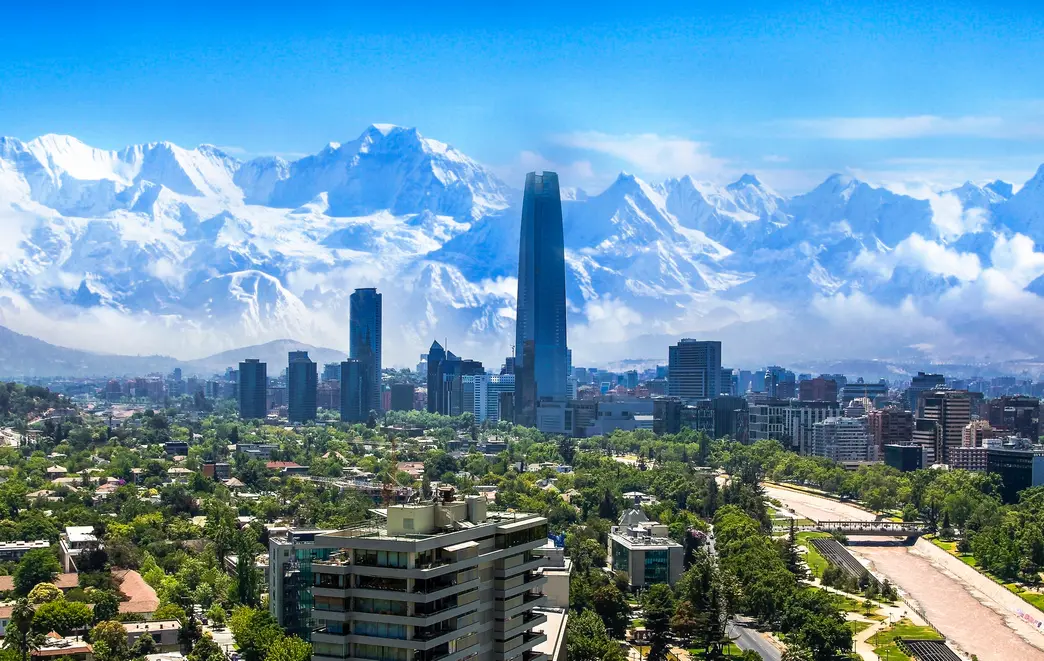
The Atacama Desert feels almost extraterrestrial in its silence and exposure. Patagonia operates through weather, scale, and remoteness that reshape perception entirely. Santiago introduces urban rhythm beneath the Andes, while coastal regions and wine country soften the pace through landscape, cuisine, and slower forms of movement.
What makes Chile extraordinary is not simply the diversity itself.
It is how dramatically the country changes emotionally from one region to another.
This is why Chile curated journeys matter so much.
The strongest experiences are not created by trying to see as much of Chile as possible. They emerge through understanding how to move through these landscapes with enough continuity that each region retains its individuality while still contributing to a larger emotional rhythm across the journey itself.
Chile rewards travelers who slow down enough to let the environment determine pace rather than imposing pace onto the environment.
Chile Requires a Different Relationship With Time
Many travelers underestimate how much Chile changes travel rhythm.
Distances feel emotionally expansive. Remote regions require patience. Weather alters movement patterns constantly, especially in Patagonia. Even the Atacama Desert, which initially appears visually still, reveals itself gradually through changing light, silence, and atmosphere rather than immediate stimulation.
This is one reason Chile curated journeys work so well.
Thoughtful pacing allows travelers to absorb environmental transitions naturally rather than constantly reacting to logistical movement between regions. The country begins feeling coherent because the journey is shaped around rhythm instead of efficiency alone.
Travelers who move too quickly often remember scenery.
Travelers who move more intentionally remember atmosphere.
The Atacama and the Luxury of Stillness
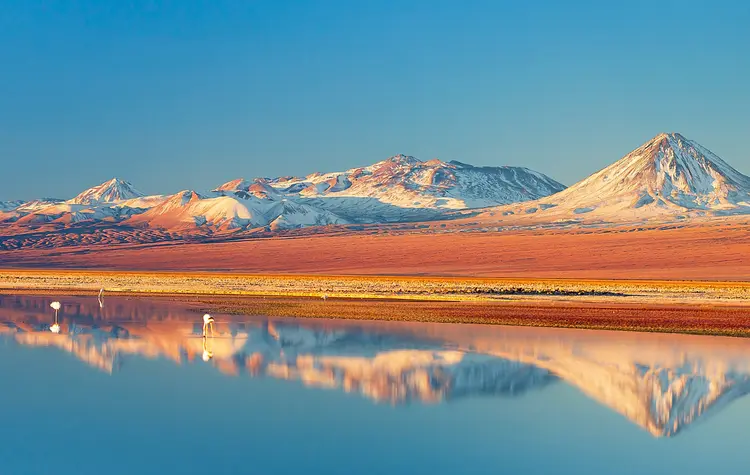
The Atacama Desert changes perception quietly.
At first, travelers notice scale: salt flats, volcanic peaks, geothermal landscapes, and open desert stretching toward distant mountains. Over time, however, the emotional impact becomes less about dramatic scenery and more about how the environment alters attention itself.
Silence becomes noticeable.
Light becomes more important.
Movement slows naturally.
This is why the Atacama rewards travelers who resist overloading the itinerary. The desert is not experienced best through constant activity. It reveals itself through observation and environmental immersion.
Chile curated journeys understand this instinctively.
The strongest Atacama experiences leave enough room for stillness:
slow mornings beneath high-altitude skies, evenings shaped by changing desert light, long stretches where travelers simply observe the landscape rather than moving through it aggressively.
Luxury here emerges through calm rather than spectacle.
Patagonia and the Emotional Weight of Scale
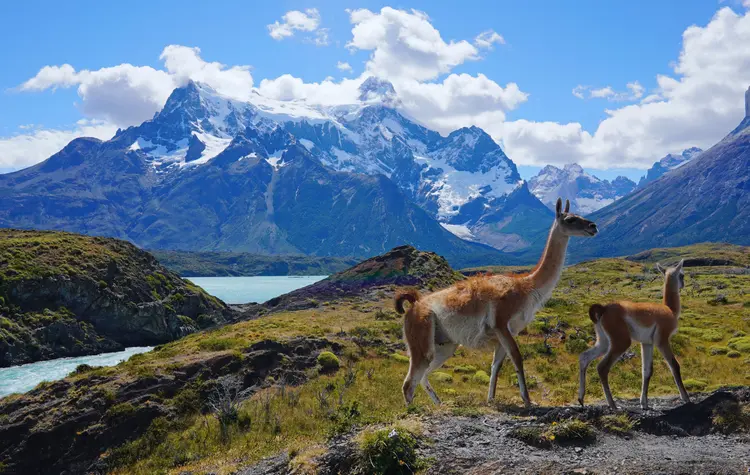
Patagonia introduces an entirely different form of immersion.
Where the Atacama feels still and exposed, Patagonia feels dynamic and unpredictable. Weather systems move visibly across the landscape. Wind alters physical movement. Distances feel immense even during moments of complete silence.
Travelers quickly realize that Patagonia resists urgency.
This is what makes thoughtful curation so important in southern Chile. Travelers attempting to maximize every viewpoint or excursion often spend much of the journey reacting to weather, logistics, or exhaustion rather than absorbing the landscape itself.
The strongest Patagonia experiences usually involve fewer transitions and more flexibility.
Travelers benefit from remaining long enough in one environment for the emotional rhythm of Patagonia to settle in naturally. The landscape begins feeling less like scenery and more like atmosphere itself.
Chile curated journeys succeed when Patagonia is approached through patience rather than ambition.
Santiago and the Importance of Balance
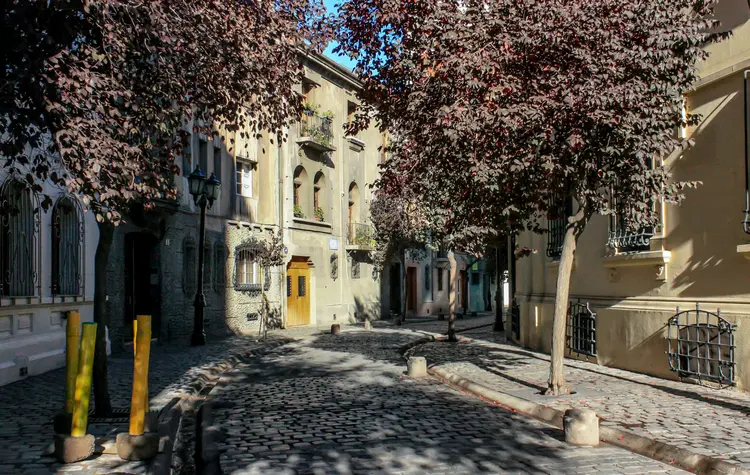
Santiago often functions quietly within Chile itineraries, but the city plays an important role in balancing the broader journey.
After remote landscapes, Santiago introduces structure again: cuisine, architecture, wine culture, and urban rhythm beneath the Andes. The city allows travelers to recalibrate emotionally before continuing toward another environment entirely.
This balance matters because Chile’s remote regions can feel emotionally expansive over time.
The strongest journeys alternate rhythm carefully:
stillness and movement, exposure and comfort, environmental immersion and urban refinement. Chile works best when travelers are not constantly operating at the same emotional intensity throughout the journey.
Curation is not simply about selecting destinations.
It is about shaping emotional continuity between them.
Wine Country and Slower Forms of Luxury
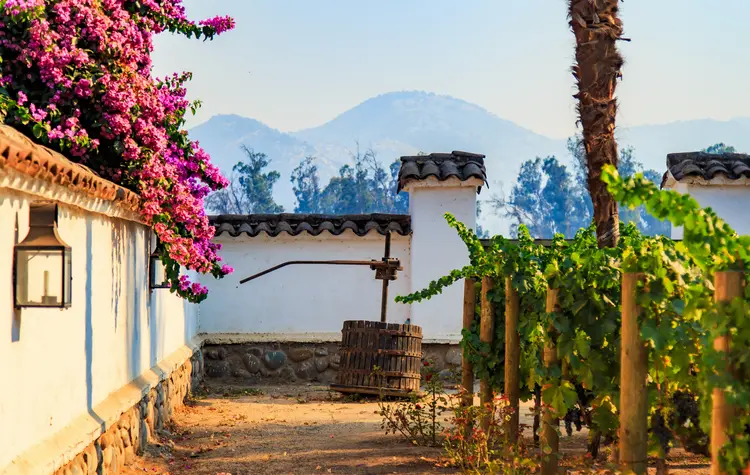
Chile’s wine regions introduce another entirely different pace.
The atmosphere softens naturally here. Landscape, agriculture, cuisine, and slower daily rhythm begin shaping the experience more than movement itself. Travelers often notice how quickly urgency disappears once they settle into vineyard landscapes framed by mountains and open countryside.
This slower rhythm becomes an important part of the broader Chile experience.
Curated journeys understand when travelers need environmental stillness after Patagonia or softer transitions following the exposure of the Atacama. The journey remains emotionally balanced because each region supports the next rather than competing with it.
Luxury in Chile often feels quieter than travelers initially expect.
It emerges through atmosphere, continuity, and the feeling that the journey unfolds naturally around the landscape itself.
Why Curated Travel Matters in Chile
Chile is one of those countries where thoughtful sequencing changes the entire experience.
The regions are too emotionally distinct to simply connect mechanically. Patagonia, the Atacama, Santiago, wine country, and coastal Chile all operate through different rhythms. Travelers need enough time to adjust to each environment before moving onward.
This is where curation becomes essential.
From our base in South America, we regularly see how dramatically the emotional quality of Chile improves when journeys are shaped around pacing, environmental contrast, and regional understanding rather than destination accumulation alone.
Sometimes the difference comes through reducing internal movement. Other times it involves balancing remote exploration with softer transitions or simply allowing travelers more stillness in places where Chile naturally slows perception.
The strongest journeys feel composed rather than crowded.
Sustainability and Thoughtful Exploration
Chile’s most extraordinary landscapes are also environmentally fragile.
Patagonia, the Atacama, and remote coastal regions increasingly face pressure from tourism growth and environmental change. Curated travel naturally supports more thoughtful exploration because it prioritizes:
- Slower pacing
- Fewer unnecessary transitions
- Stronger local partnerships
- Smaller-scale experiences
- Deeper engagement with place
Travelers often experience Chile more meaningfully when the journey emphasizes immersion rather than volume.
The country rewards attentiveness and restraint.
FAQs
What are Chile curated journeys?
Chile curated journeys are thoughtfully designed travel experiences shaped around pacing, regional contrast, and immersive exploration rather than standardized itineraries.
Why is curated travel important in Chile?
Chile’s landscapes and regions vary dramatically in rhythm and atmosphere. Thoughtful curation creates smoother transitions and deeper emotional continuity throughout the journey.
What regions are best included in Chile journeys?
Many travelers combine the Atacama Desert, Patagonia, Santiago, wine country, and coastal regions depending on pacing and travel style.
How should Chile travel be paced?
The strongest journeys involve fewer transitions, longer stays, and enough flexibility to adapt naturally to weather, landscape, and environmental rhythm.
Where the Landscape Begins to Shape the Journey
Chile curated journeys often become memorable because the country gradually changes how travelers relate to pace, silence, and distance itself. Over time, the Atacama sharpens attention through stillness, Patagonia softens urgency through scale and exposure, and the transitions between regions begin feeling intentional rather than logistical. Chile reveals itself most fully when travelers stop trying to move quickly through the country and begin allowing each landscape enough time to shape the rhythm of the journey naturally.
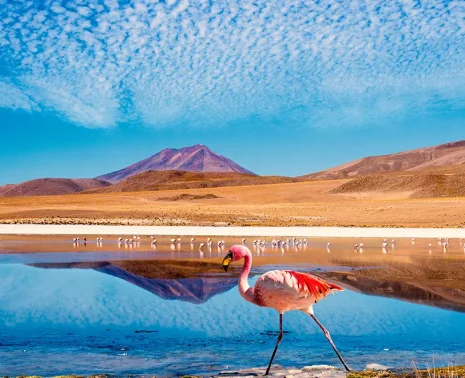
What to Do in Bolivia: Experiencing the Country Through Altitude, Isolation, and Depth
The question of what to do in Bolivia is often approached with curiosity. Salt flats, high-altitude cities,...
Read Post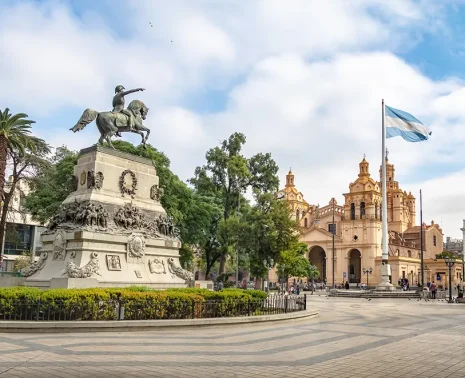
Personalized Argentina Travel and the Importance of Designing Around Rhythm
Argentina is not a country that can be experienced meaningfully through a single formula. The landscapes ch...
Read Post
How Far in Advance Should You Plan a Trip to Peru ?
If you are wondering how far in advance to plan a trip to Peru, the short answer is at least three months, and...
Read Post
8 DAYS
Luxury Machu Picchu Tours: Unveiling Peru’s Timeless Wonders
Cusco, Lima, Machu Picchu, Sacred Valley

8 DAYS
Peru Family Vacation: Journey to Machu Picchu and Beyond
Cusco, Lima, Machu Picchu, Sacred Valley

11 DAYS
Amazon River Cruise: A Luxury Journey Through the Amazon
Lima, Cusco, Sacred Valley, Machu Picchu, Iquitos, Amazon River