July 13, 2026 | by: Kuoda Authors


Peru is often introduced through its cuisine first.
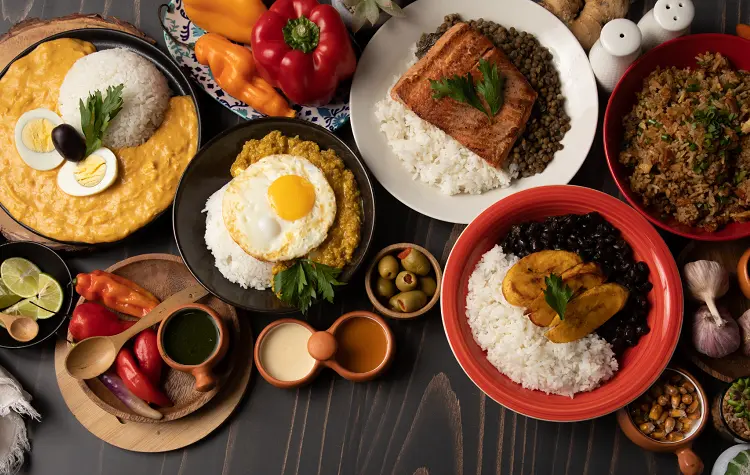
Travelers arrive already familiar with ceviche, Nikkei cooking, Andean ingredients, or Lima’s internationally recognized restaurant scene. Food has become one of Peru’s most visible global identities, and understandably so. But what makes Peru food and culture travel genuinely meaningful is not simply the quality of the cuisine itself. It is the way food reveals the structure of the country underneath.
In Peru, cuisine is inseparable from geography, altitude, migration, agriculture, and regional identity.
A dish in Lima carries Pacific influence and international layering. A meal in the Sacred Valley reflects centuries of agricultural adaptation to the Andes. The Amazon introduces entirely different ingredients, textures, and sensory rhythms shaped by rainforest ecosystems. Food becomes less about dining alone and more about understanding how Peru functions culturally and environmentally from region to region.
This is why Peru should never be experienced only through restaurant reservations.
The strongest journeys allow cuisine to become part of a larger cultural progression across the country itself.
Peru’s Culinary Identity Changes by Region
One of the most remarkable aspects of Peru food and culture travel is how dramatically the experience evolves between regions.
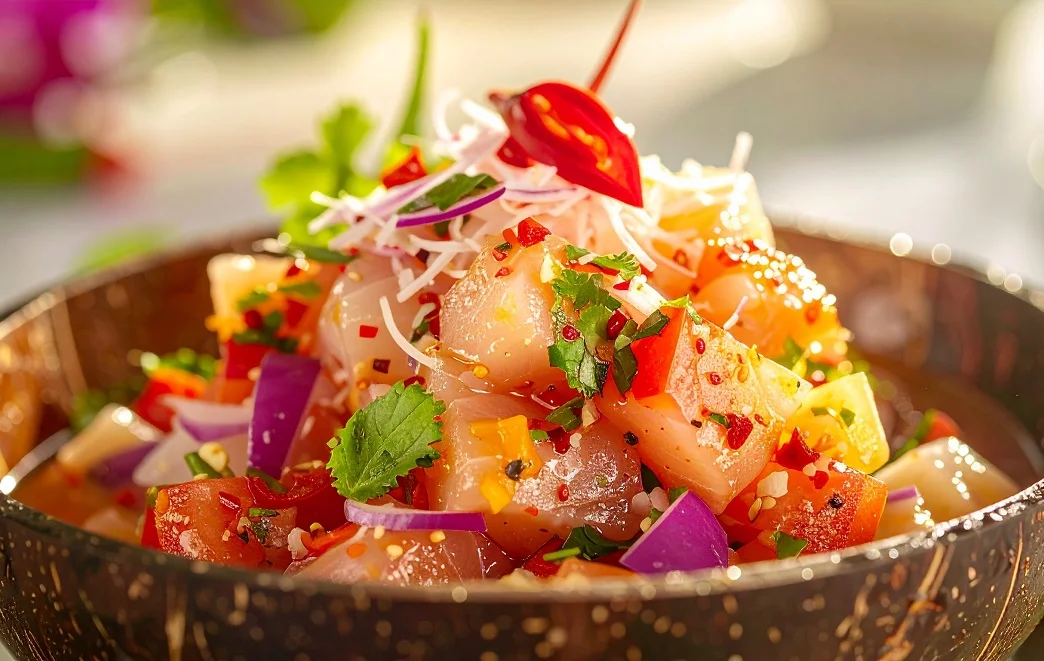
Lima feels contemporary and globally connected. The city’s cuisine reflects migration, experimentation, and coastal abundance. Restaurants here are often intellectually layered, balancing refinement with strong regional sourcing and historical influence. Travelers quickly realize that Peruvian gastronomy is not operating as a trend. It reflects a much deeper relationship between geography and identity.
The Andes create an entirely different atmosphere.
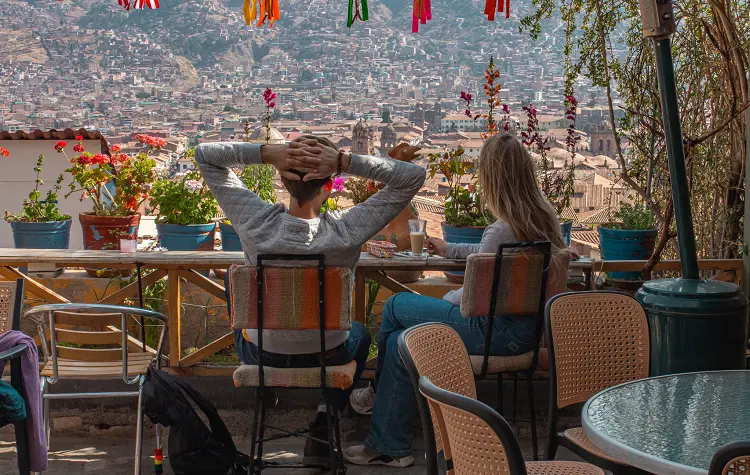
In the Sacred Valley and Cusco, food becomes more connected to altitude, seasonality, and agricultural continuity. Potatoes, corn, quinoa, herbs, and local farming traditions stop feeling symbolic and begin feeling structurally essential to daily life. Meals unfold more slowly. Markets feel more regional. Travelers begin understanding how deeply cultivation shaped Andean civilization long before modern tourism existed.
The Amazon shifts perception again entirely. Ingredients unfamiliar to many travelers emerge naturally within local cuisine, and the relationship between environment and food becomes even more immediate. Meals here are often less formal but more deeply tied to ecosystem and place.
The strongest Peru journeys allow travelers to feel these transitions gradually rather than treating Peruvian cuisine as a single unified category.
Food Becomes More Meaningful When the Journey Is Sequenced Well
One of the least discussed aspects of Peru food and culture travel is how strongly itinerary pacing affects the culinary experience itself.
Travelers moving too aggressively through Peru often experience meals transactionally. They arrive tired, rushed, or physically adjusting to altitude. Extraordinary restaurants become isolated moments rather than part of a broader understanding of the country.
Thoughtful sequencing changes this completely.
Lima often works beautifully at the beginning of the journey because the city introduces Peru through atmosphere, cuisine, and softer coastal pacing before travelers move toward the Andes. The Sacred Valley allows travelers to acclimate gradually while beginning to understand the agricultural systems supporting Andean cuisine historically and today. Cusco deepens the cultural dimension further, while the Amazon creates an entirely different sensory relationship with food and environment.
The experience becomes cumulative.
Travelers stop thinking in terms of individual restaurants and begin understanding how cuisine reflects Peru’s environmental and cultural diversity itself.
Markets Reveal More Than Restaurants Alone
Restaurants may introduce travelers to Peru’s culinary sophistication, but markets often reveal the country more honestly.
This is particularly true in Peru because food systems remain so closely connected to regional geography and local life. Ingredients are not abstract concepts here. They emerge directly from altitude zones, coastal ecosystems, mountain agriculture, and rainforest biodiversity.
Markets in Peru feel alive with this continuity.
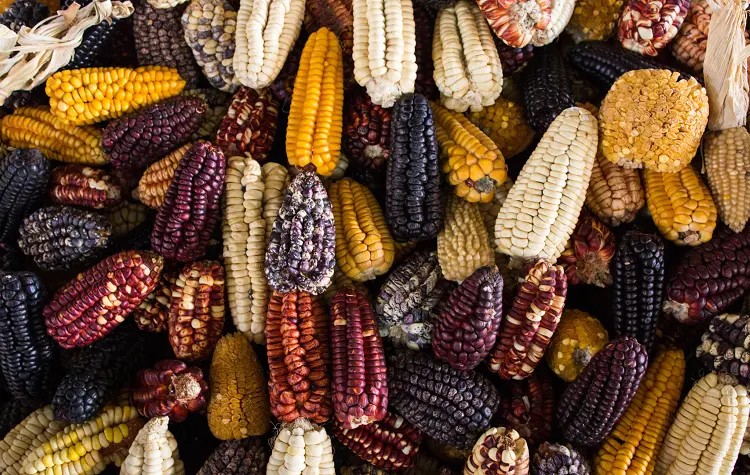
Colors, textures, unfamiliar produce, local conversation, and regional rhythm all become part of the cultural experience. Travelers often begin recognizing how much biodiversity exists within the country simply by walking through a market slowly and attentively.
The strongest Peru food and culture travel experiences usually combine refined dining with more grounded forms of culinary immersion. Without that balance, travelers risk understanding Peruvian cuisine intellectually while missing its connection to ordinary life and landscape.
This is where thoughtful local guidance matters enormously. Understanding why ingredients matter culturally often changes the experience more than simply tasting them.
The Sacred Valley and Agricultural Continuity
One of the most important culinary regions in Peru is not Lima, but the Sacred Valley.
The valley creates context for understanding Andean food traditions because agriculture still shapes daily life visibly there. Terraces remain active. Local cultivation methods continue influencing cuisine. Communities maintain relationships with crops that predate colonial history by centuries.
Travelers often arrive expecting archaeological immersion and leave equally affected by the agricultural continuity surrounding them.
Meals in the Sacred Valley frequently feel quieter and more grounded than in Lima. Ingredients become more directly connected to the environment itself. Potatoes are no longer generic. Corn varieties begin to feel regionally specific. Traditional cooking methods stop feeling performative and start feeling practical and inherited.
The strongest journeys leave enough time in the valley for travelers to absorb these subtleties naturally.
Why Peru’s Culinary Culture Feels So Layered
Peruvian cuisine feels unusually complex because Peru itself has always been shaped by cultural layering.
Indigenous traditions, Spanish influence, African heritage, Chinese migration, Japanese immigration, and regional exchange all continue shaping Peruvian food today. Yet these influences rarely feel disconnected from one another. Peru’s culinary identity absorbed them gradually into something distinct rather than fragmented.
This layered identity becomes visible throughout the journey.
Travelers begin noticing how cuisine changes emotionally as much as geographically between regions. Lima feels cosmopolitan. The Andes feel ancestral and agricultural. The Amazon feels ecological and sensory. Peru’s food culture mirrors the country’s broader identity: diverse, historically layered, and deeply connected to place.
Luxury Through Understanding Rather Than Exclusivity
Luxury within Peru food and culture travel increasingly depends less on exclusivity and more on interpretation.
The strongest experiences are not necessarily the most difficult reservations or the most elaborate tasting menus. They are the ones where travelers begin understanding Peru through cuisine itself.
A quiet lunch overlooking the Sacred Valley after visiting local agricultural communities can become as memorable as Lima’s most refined restaurants when the journey surrounding it has been designed thoughtfully. Context changes perception.
This is where local expertise matters enormously.
From our base in South America, we regularly see how culinary experiences become more meaningful when integrated naturally into the rhythm of the itinerary rather than treated as isolated highlights inserted between transfers and sightseeing.
Food reveals Peru best when travelers have enough time to slow down and notice what surrounds the table itself.
Sustainability and Culinary Preservation
Peru’s food culture also raises important questions about sustainability and preservation.
The country’s extraordinary biodiversity and agricultural traditions require long-term protection, particularly as global interest in Peruvian cuisine continues expanding. Responsible travel supports local producers, smaller-scale agriculture, regional culinary traditions, and stronger connections between travelers and local food systems.
Thoughtful culinary travel naturally encourages slower engagement with Peru.
Travelers who move through markets carefully, spend time in agricultural regions, and understand where ingredients come from often leave with a much deeper relationship to the country itself than travelers focused only on high-profile dining experiences.
FAQs
What is Peru food and culture travel?
Peru food and culture travel focuses on experiencing the country through its regional cuisine, agricultural traditions, markets, local communities, and cultural identity rather than through sightseeing alone.
Which regions are best for Peru food and culture travel?
Lima, the Sacred Valley, Cusco, and the Amazon each offer distinct culinary and cultural experiences shaped by different landscapes, ingredients, and traditions.
Is Peru good for culinary travel?
Yes. Peru is considered one of the world’s most compelling culinary destinations because of its biodiversity, cultural layering, regional diversity, and strong relationship between cuisine and geography.
How should food experiences be integrated into a Peru itinerary?
The strongest journeys integrate cuisine naturally into the pacing and progression of the trip, allowing travelers to understand Peru through regional contrast and cultural continuity rather than isolated restaurant experiences.
Where Peru Begins to Reveal Itself Through the Table
Peru food and culture travel often changes travelers gradually rather than dramatically. Over time, meals stop feeling separate from the landscape and begin feeling like another way of understanding it. The Andes become visible in agricultural traditions. Coastal identity emerges through pace and flavor. The Amazon reshapes how travelers think about ingredients altogether. Peru leaves a lasting impression because cuisine here is not simply consumed. It reflects geography, migration, memory, and continuity across generations. The strongest journeys allow travelers to recognize that understanding Peru through food ultimately means understanding the country itself more deeply.
Best Time to Visit Peru: When to Go by Region & Experience
Planning a journey to Peru is an exciting step toward exploring a land of extraordinary diversity, from the so...
Read Post
The Lost City Colombia and the Meaning of Reaching It
Some destinations are defined by what they are. Others by what it takes to reach them. The Lost City Col...
Read Post
Best Galápagos Cruises: Choosing the Right Way to Experience the Islands
The phrase “best Galápagos cruises” suggests comparison. Ships, cabins, amenities, itineraries. It invite...
Read Post
8 DAYS
Luxury Machu Picchu Tours: Unveiling Peru’s Timeless Wonders
Cusco, Lima, Machu Picchu, Sacred Valley

8 DAYS
Peru Family Vacation: Journey to Machu Picchu and Beyond
Cusco, Lima, Machu Picchu, Sacred Valley

11 DAYS
Amazon River Cruise: A Luxury Journey Through the Amazon
Lima, Cusco, Sacred Valley, Machu Picchu, Iquitos, Amazon River