June 19, 2026 | by: Kuoda Authors


Bolivia changes the way travelers see.
Not simply because the landscapes are visually dramatic, though they certainly are, but because the country alters scale, distance, color, and atmosphere so completely that perception itself begins to shift. Travelers often arrive expecting spectacular photography opportunities and leave realizing that Bolivia requires a different kind of visual attention altogether.
This is what makes Bolivia photography journeys so compelling.
The country is not experienced best through constant movement between viewpoints or highly compressed itineraries built around checklist photography. Bolivia rewards travelers who slow down enough to observe how light behaves across the altiplano, how weather reshapes the Salar de Uyuni hour by hour, and how altitude alters the clarity and stillness of the environment itself.
The strongest photography journeys are rarely built around chasing images. They are built around learning how to see the landscape properly.
Bolivia’s Landscapes Change With Light
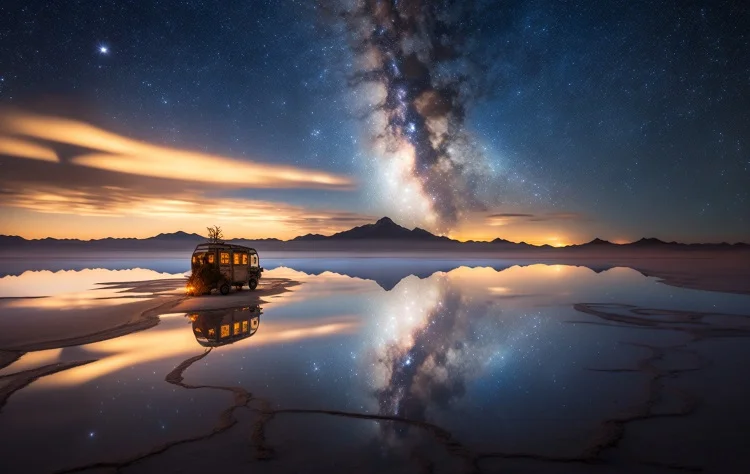
Few countries transform visually as dramatically throughout the day as Bolivia.
The Salar de Uyuni alone can feel entirely different between sunrise, midday, and dusk. Reflection conditions shift continuously depending on season and weather. Colors deepen or flatten within minutes. Distances become difficult to interpret. The horizon itself often disappears.
This instability is part of what makes Bolivia so visually compelling.
Photographers quickly realize that timing matters as much as location. The same environment reveals entirely different emotional qualities depending on light, cloud cover, altitude haze, or seasonal water conditions. Travelers who rush through Bolivia often capture scenery. Travelers who remain longer begin understanding atmosphere.
This distinction changes the entire experience.
Bolivia photography journeys work best when itineraries leave enough flexibility for observation rather than rigid movement between destinations.
The Salar de Uyuni and the Illusion of Space
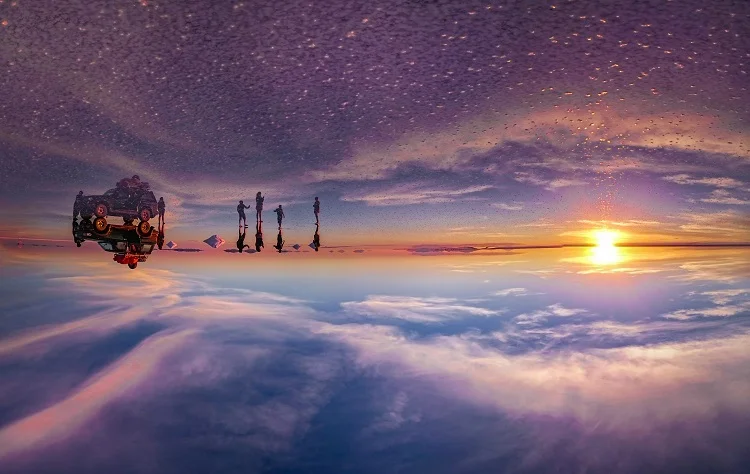
The Salar de Uyuni remains one of the most visually unusual environments in South America.
At first, travelers often respond primarily to scale. The salt flats feel endless, exposed, and abstract in ways that photographs rarely capture completely. Yet over time, the emotional impact becomes less about size alone and more about spatial disorientation.
The environment removes reference points.
Perspective changes constantly. Reflection season dissolves the line between sky and ground entirely. Even silence contributes to the feeling that the landscape operates differently from ordinary geography.
This is why thoughtful pacing matters so much here.
Travelers arriving briefly often leave with recognizable images. Travelers spending additional time on the Salar begin noticing subtler transitions: the way shadows lengthen across salt texture, how light shifts after storms, how distant movement behaves visually across open space.
The strongest Bolivia photography journeys create enough stillness for these details to emerge naturally.
Altitude Changes Visual Perception
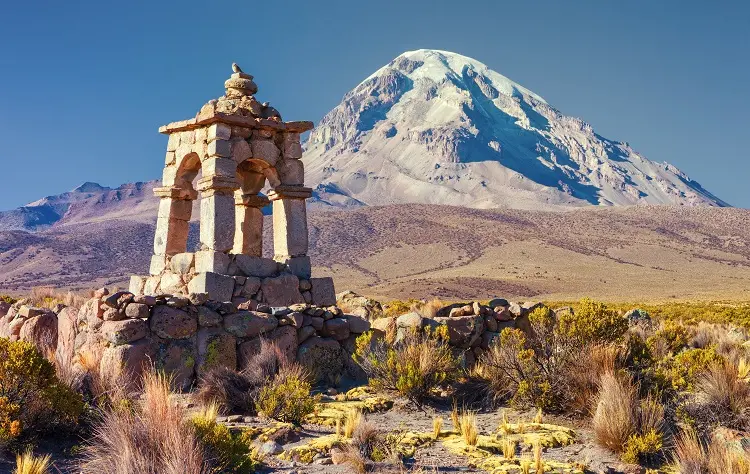
One of the least discussed aspects of photography in Bolivia is how altitude changes perception itself.
The air feels sharper. Distances appear deceptive. Light behaves differently in high-altitude environments, particularly across the altiplano where exposure and atmospheric clarity create unusually intense visual conditions.
Travelers often notice this physically before they understand it photographically.
The Andes in Bolivia do not soften the landscape. They expose it. Colors feel more direct. Weather systems move visibly across open environments. The relationship between land and sky becomes more dominant than in many other destinations.
This is part of what gives Bolivia such visual power.
But it also requires slower adaptation. Travelers moving too aggressively through high-altitude regions often spend much of the experience managing fatigue rather than engaging deeply with the landscape itself. Bolivia photography journeys succeed when altitude, pacing, and environmental immersion are treated as interconnected rather than separate logistical concerns.
Photography Beyond Landscapes
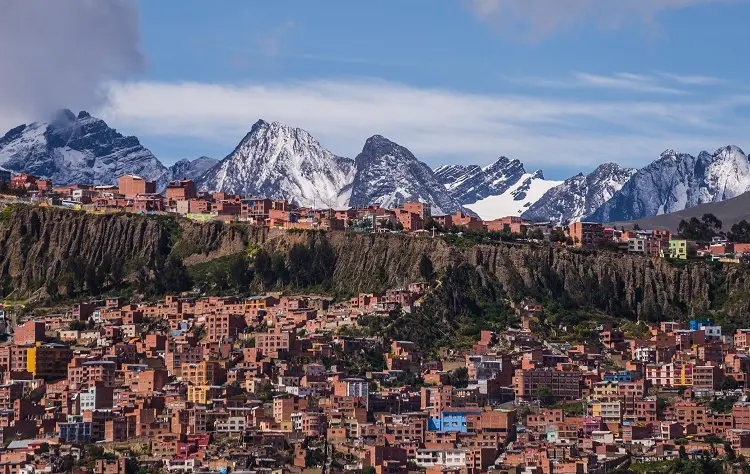
While Bolivia is often associated with the Salar de Uyuni and dramatic Andean scenery, some of the country’s strongest photographic moments emerge through cultural texture rather than monumental landscapes alone.
La Paz, in particular, creates a very different visual rhythm.
The city operates vertically through layered neighborhoods, cable cars, markets, and Indigenous identity that remain deeply embedded within daily life. Color, movement, architecture, and social atmosphere all combine into an environment that feels visually dense without becoming visually predictable.
Markets reveal another side of Bolivia entirely. Textiles, agricultural systems, ceremonial traditions, and everyday movement create photographic opportunities rooted less in spectacle and more in observation.
This balance matters.
The strongest Bolivia photography journeys understand that the country’s visual identity comes not only from vast landscapes, but from continuity between environment and culture itself.
Why Bolivia Requires Patience
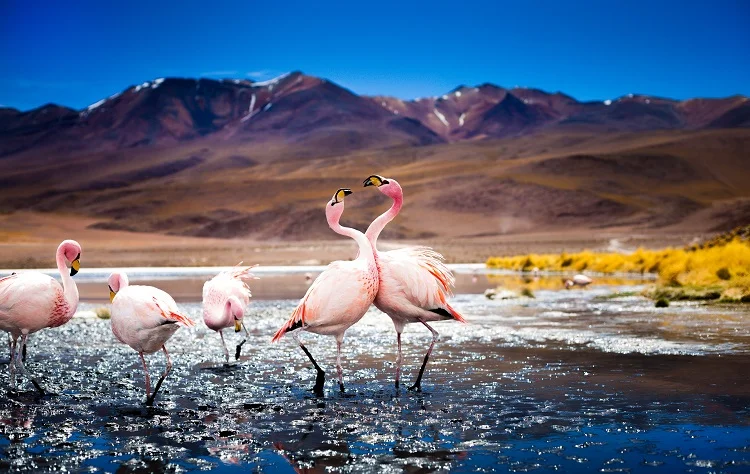
Bolivia resists rushed travel more than many destinations.
Weather shifts unpredictably. Road distances can feel longer emotionally than geographically. High-altitude conditions affect energy levels. Landscapes reveal themselves gradually through changing light and atmosphere rather than instant spectacle alone.
Photography here becomes less about productivity and more about attentiveness.
This can feel unfamiliar for travelers accustomed to faster-moving itineraries or destination-focused travel structures. But Bolivia responds exceptionally well to patience. Often the strongest images emerge not during scheduled moments, but during transitions: a sudden shift in weather over the altiplano, changing reflections after rainfall, quiet movement through mountain villages, early morning light before landscapes fully reveal themselves.
The country rewards travelers who remain open to unpredictability.
Local Expertise and Environmental Timing
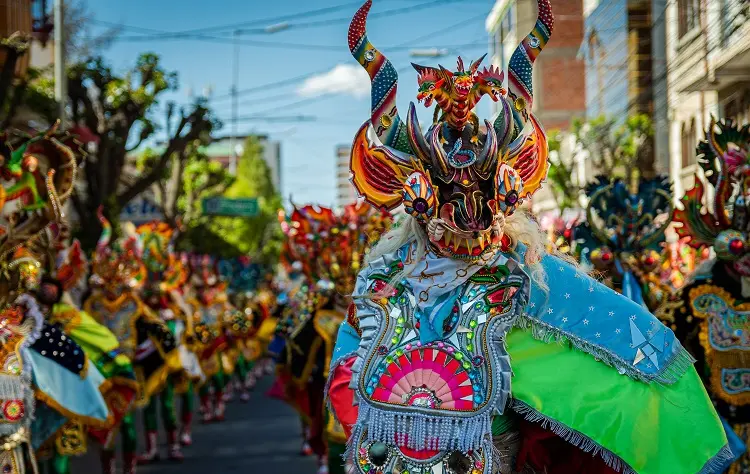
Bolivia photography journeys also depend heavily on local operational understanding.
Conditions across the Salar, altiplano, and remote Andean regions change constantly. Seasonal timing dramatically affects visual atmosphere. Reflection season on the Salar creates entirely different experiences than dry-season travel. Weather patterns influence accessibility, visibility, and environmental tone across the country.
This is where local presence matters enormously.
From within South America, understanding how Bolivia functions seasonally allows journeys to feel more fluid and responsive to actual conditions rather than fixed expectations. Sometimes the difference comes through timing departures differently. Other times it involves remaining longer in one region to allow weather or light conditions to evolve naturally.
The strongest journeys feel adaptable rather than rigid.
Sustainability and Respectful Photography Travel
Photography travel also carries responsibility, particularly in culturally and environmentally sensitive regions like Bolivia.
The Salar de Uyuni, Indigenous communities, and fragile high-altitude ecosystems all require thoughtful engagement. Responsible photography travel means approaching the country with observation and respect rather than extraction-focused tourism behavior.
Travelers often create stronger work when they move more slowly and engage more attentively with place itself.
Smaller-scale experiences, stronger local relationships, and enough time for environments to unfold naturally often produce not only more meaningful journeys, but more meaningful photography as well.
FAQs
What makes Bolivia photography journeys unique?
Bolivia offers extraordinary visual contrast through the Salar de Uyuni, high-altitude landscapes, Indigenous culture, dramatic light conditions, and environments that constantly change with weather and season.
When is the best time for photography in Bolivia?
Different seasons create very different visual experiences. Reflection season on the Salar de Uyuni produces mirror-like landscapes, while the dry season emphasizes texture, scale, and atmospheric clarity.
Is Bolivia good for landscape photography?
Yes. Bolivia is considered one of South America’s most visually distinctive destinations because of its scale, altitude, light conditions, and environmental contrast.
What regions are best for Bolivia photography journeys?
Many travelers focus on the Salar de Uyuni, La Paz, the altiplano, Lake Titicaca, and remote Andean regions for both landscape and cultural photography.
Where the Landscape Begins to Reshape Perception
Bolivia photography journeys often leave travelers remembering not only what they photographed, but how differently they began observing the world while moving through the country. Over time, scale becomes harder to measure, light more important than landmarks, and silence part of the visual experience itself. Bolivia changes perception gradually through altitude, exposure, and the unusual feeling of standing inside landscapes that resist simplification. The strongest journeys are rarely about capturing the country completely. They are about allowing the environment enough time to reshape the way travelers see altogether.
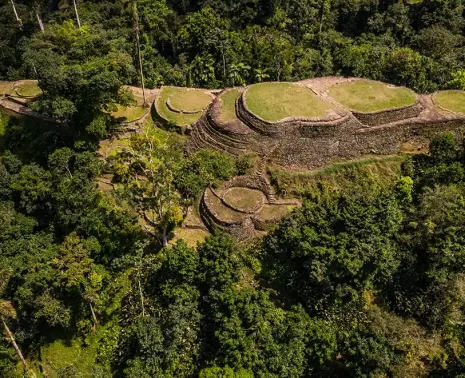
The Lost City Colombia and the Meaning of Reaching It
Some destinations are defined by what they are. Others by what it takes to reach them. The Lost City Col...
Read Post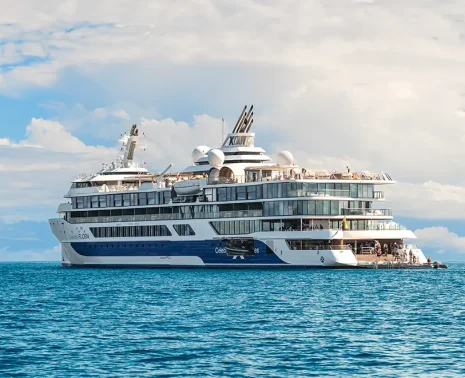
Best Galápagos Cruises: Choosing the Right Way to Experience the Islands
The phrase “best Galápagos cruises” suggests comparison. Ships, cabins, amenities, itineraries. It invite...
Read Post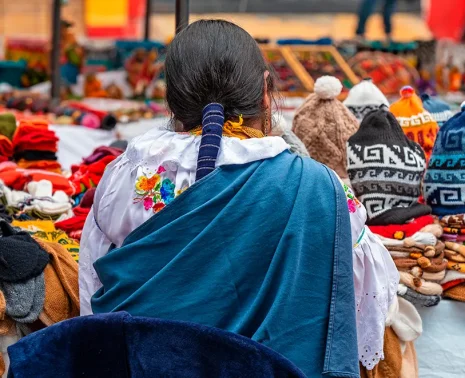
Designing an Ecuador Itinerary with Intention: How to Experience the Country Beyond the Obvious
An Ecuador itinerary is often approached as a checklist. A few days in Quito, a quick passage through the Ande...
Read Post
8 DAYS
Luxury Machu Picchu Tours: Unveiling Peru’s Timeless Wonders
Cusco, Lima, Machu Picchu, Sacred Valley

8 DAYS
Peru Family Vacation: Journey to Machu Picchu and Beyond
Cusco, Lima, Machu Picchu, Sacred Valley

11 DAYS
Amazon River Cruise: A Luxury Journey Through the Amazon
Lima, Cusco, Sacred Valley, Machu Picchu, Iquitos, Amazon River