June 15, 2026 | by: Kuoda Authors


Chile feels longer than most travelers imagine.
Not only geographically, though the country stretches across deserts, vineyards, mountains, fjords, glaciers, and Pacific coastline over thousands of miles. Chile also feels expansive emotionally. Each region carries a distinct atmosphere, climate, and relationship with landscape, making the country less about individual destinations and more about how travelers move between extremes.
This is what makes luxury travel Chile so compelling when approached thoughtfully.
The country invites travelers into environments that feel radically different from one another: the stillness of the Atacama Desert, the layered urban energy of Santiago, the quiet structure of wine country, the elemental scale of Patagonia. Yet Chile works best not when travelers attempt to see everything, but when journeys are designed carefully enough for these contrasts to feel connected rather than fragmented.
Luxury here increasingly lies in continuity.
The strongest Chile journeys understand that pacing, sequencing, and regional balance matter as much as the destinations themselves.
Chile Is Not a Single Experience
One of the most common planning mistakes travelers make with Chile is treating the country as though it has one dominant identity.
In reality, Chile functions almost like several separate destinations layered into a narrow geographic corridor.
The Atacama Desert introduces silence, altitude, astronomy, and geological scale. Patagonia feels colder, more physical, and emotionally expansive in a completely different way. Santiago combines cosmopolitan energy with proximity to the Andes, while Chilean wine regions create a softer rhythm centered around landscape, gastronomy, and slower movement.
The challenge is not choosing beautiful places. The challenge is understanding how they interact.
Luxury travel Chile works best when itineraries respect the emotional differences between regions rather than compressing them into a rapid sequence of flights and transitions.
The country rewards travelers who move through it progressively.
The Atacama Desert and the Luxury of Stillness
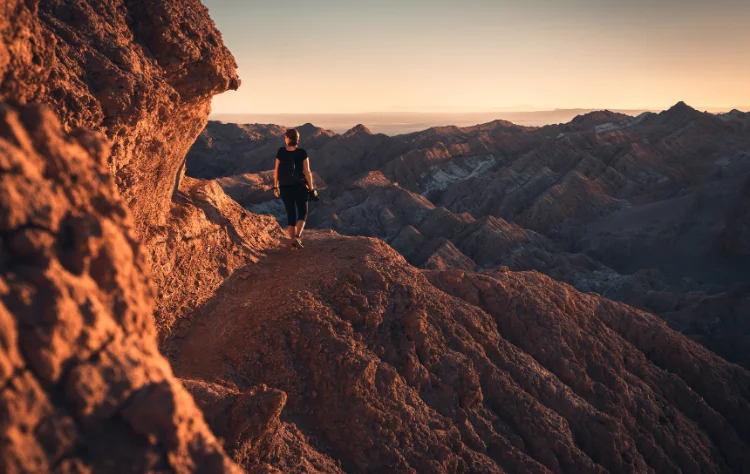
The Atacama Desert often surprises travelers because its impact is less immediate than expected.
Photographs communicate the dramatic landscapes clearly enough: salt flats, volcanic peaks, lunar valleys, geothermal fields. What images rarely capture is the silence. The desert changes how travelers perceive scale, distance, and time itself.
Luxury travel Chile increasingly revolves around experiences like this, where refinement comes through access to environments that encourage presence rather than stimulation.
The Atacama works best slowly.
Early mornings observing changing light over the altiplano, evenings shaped around astronomy, gradual altitude adaptation, and long stretches of visual stillness all contribute to the emotional structure of the experience. Travelers who overprogram the region often leave having seen remarkable scenery without fully absorbing the atmosphere surrounding it.
This is particularly important at altitude.
The desert demands thoughtful pacing physically as much as emotionally. Well-designed itineraries balance exploration with recovery time, allowing travelers to engage deeply with the environment rather than constantly pushing through it.
From within South America, sequencing the Atacama correctly within a broader Chile itinerary becomes especially important. The region changes dramatically depending on whether travelers arrive from Santiago, Patagonia, Bolivia, or Peru.
Patagonia and Chile’s Relationship With Wilderness
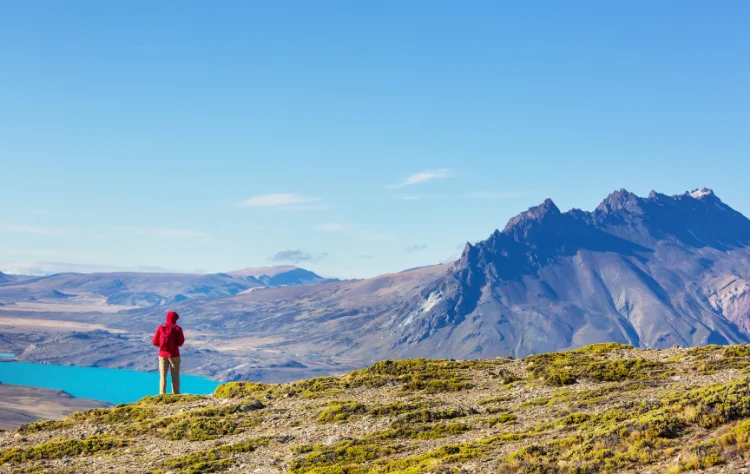
Chilean Patagonia introduces a very different form of immersion.
Where the Atacama emphasizes silence and openness, Patagonia feels shaped by weather, movement, and environmental unpredictability. Wind shifts constantly. Light changes quickly. Distances remain vast and intentionally unresolved.
Luxury in Patagonia has little to do with excess.
The strongest Patagonia experiences prioritize positioning, pacing, and environmental connection over activity volume. Travelers benefit more from longer stays and fewer transitions than from attempting to cover every major region quickly.
This becomes particularly important because Patagonia is emotionally demanding in subtle ways. The landscape invites reflection and presence rather than passive observation. Travelers often need time simply to settle into the scale of the environment itself.
Thoughtful lodge selection matters enormously here.
A well-positioned property changes how travelers interact with the landscape throughout the day: early morning visibility, weather shifts, access to quieter areas, and the ability to experience Patagonia outside the rhythm of day-trip tourism all shape the journey significantly.
Luxury travel Chile succeeds in Patagonia when travelers feel immersed in the environment without constantly managing logistics or movement.
Santiago and the Importance of Urban Rhythm
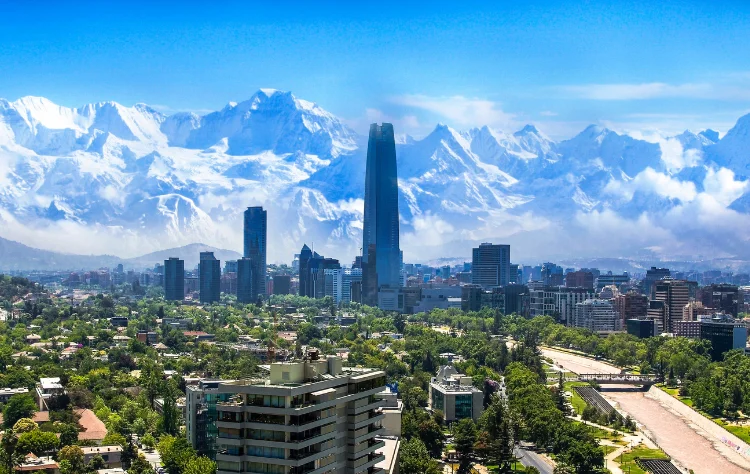
Santiago is frequently underestimated within Chile itineraries.
Many travelers treat the city as purely functional before moving toward more visually dramatic regions. Yet Santiago provides important cultural and emotional context for understanding the country itself.
The city reflects Chile’s complexity: contemporary energy balanced against deep political history, strong culinary evolution, proximity to the Andes, and a quieter sophistication than travelers often expect.
Santiago also introduces pacing that differs significantly from both Patagonia and the Atacama.
The city rewards slower exploration. Long meals, private culinary experiences, neighborhood walks, contemporary art spaces, and time within surrounding wine regions often create a more meaningful connection than aggressive sightseeing schedules.
Luxury travel Chile increasingly values this balance between urban and environmental immersion.
Travelers move through the country more coherently when Santiago is treated as part of the experience rather than merely a logistical transfer point.
Chile’s Wine Regions and Thoughtful Simplicity

Chile’s wine regions offer another entirely different rhythm.
Unlike some heavily commercialized wine destinations globally, Chilean wine country often feels quieter and more grounded in landscape itself. Vineyards remain closely tied to geography, climate, and local production traditions rather than existing solely as tourism infrastructure.
This changes the atmosphere considerably.
Luxury travel Chile in wine regions such as Colchagua or Casablanca tends to revolve around simplicity executed exceptionally well: thoughtful architecture, slower meals, strong regional cuisine, and enough time to engage with producers directly rather than moving rapidly between tastings.
The experience becomes less about consumption and more about understanding place through food, wine, and landscape together.
Wine country also functions beautifully as a transition point within broader Chile itineraries, particularly between Santiago and more remote regions.
Why Personalization Matters So Much in Chile
Chile’s diversity makes standardized itineraries particularly limiting.
Travelers interested in hiking, photography, gastronomy, astronomy, wildlife, wellness, or cultural immersion may require entirely different pacing and sequencing even when visiting similar regions. The country responds differently depending on how travelers want to engage with it.
Luxury travel Chile succeeds when itineraries are shaped around these distinctions rather than assembled through fixed templates.
Some travelers benefit from focusing deeply on Patagonia alone. Others experience Chile most meaningfully through regional contrast between desert, city, and wine country. Families often require entirely different pacing structures than couples or solo travelers.
The strongest journeys feel individually calibrated rather than broadly assembled.
Sustainability and Chile’s Environmental Identity
Chile’s landscapes naturally raise questions about conservation and environmental responsibility.
Patagonia, the Atacama, and many of the country’s remote regions remain ecologically sensitive and deeply shaped by climate conditions. Responsible travel design matters because the environments travelers come to experience depend heavily on long-term preservation.
More thoughtful pacing naturally supports this.
Longer stays, fewer unnecessary flights, stronger local partnerships, and deeper regional engagement all contribute to more sustainable travel patterns while also improving the quality of the traveler experience itself.
Luxury increasingly aligns with restraint rather than volume.
FAQs
What are the best destinations for luxury travel Chile?
Many travelers combine Santiago, the Atacama Desert, Patagonia, and Chilean wine regions to experience the country’s regional diversity through a balanced itinerary.
How many days do you need for luxury travel in Chile?
Most thoughtfully paced Chile journeys benefit from 10 to 14 days or longer, especially when combining Patagonia and the Atacama due to distances and environmental contrasts.
When is the best time for luxury travel Chile experiences?
The ideal timing depends on the regions included. Patagonia is strongest from November through March, while the Atacama Desert and Santiago operate across broader seasonal windows.
Is Chile good for luxury adventure travel?
Yes. Chile combines refined accommodations and strong operational infrastructure with extraordinary natural environments, making it particularly well suited for travelers seeking immersive but comfortable exploration.
The Country Between Extremes
Luxury travel Chile is ultimately shaped by contrast. The country moves between silence and urban energy, desert and glacier, structure and openness with unusual intensity. The strongest journeys understand how to navigate those transitions carefully, allowing each region to retain its individuality while still contributing to a larger emotional continuity. Chile does not reveal itself quickly. It unfolds through pacing, atmosphere, and the gradual realization that some of the world’s most remarkable landscapes ask travelers not simply to observe them, but to slow down enough to experience them properly.

Patagonia Trekking and the Discipline of Moving Through Open Space
Patagonia does not reveal itself quickly. It exists at a scale that resists compression. Distances are wide...
Read Post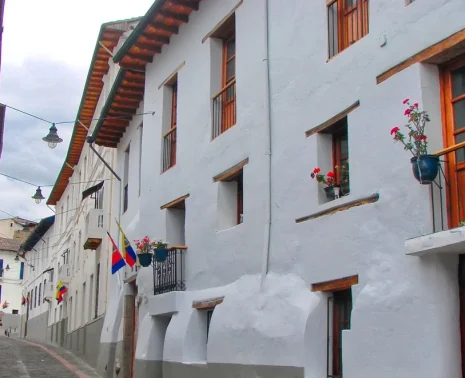
Ecuador Private Travel and the Value of Experiencing Contrast Thoughtfully
Ecuador is one of South America’s most concentrated countries emotionally and geographically. Within rela...
Read Post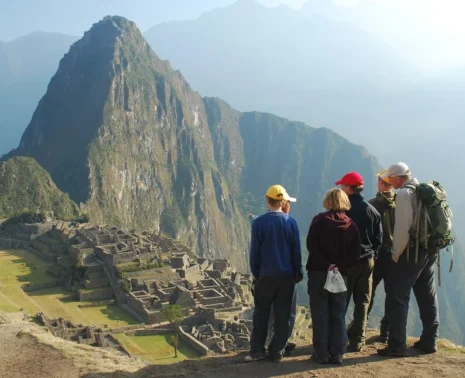
Best Peru Family Itineraries and the Importance of Traveling at the Right Rhythm Together
Peru is one of the rare destinations that genuinely works across generations. Children experience the count...
Read Post
8 DAYS
Luxury Machu Picchu Tours: Unveiling Peru’s Timeless Wonders
Cusco, Lima, Machu Picchu, Sacred Valley

8 DAYS
Peru Family Vacation: Journey to Machu Picchu and Beyond
Cusco, Lima, Machu Picchu, Sacred Valley

11 DAYS
Amazon River Cruise: A Luxury Journey Through the Amazon
Lima, Cusco, Sacred Valley, Machu Picchu, Iquitos, Amazon River