May 30, 2026 | by: Kuoda Authors


Introduction
Patagonia is not a place that asks for attention. It holds it quietly. Its scale, its silence, and its distance from anything hurried create a setting where time feels less structured, and more observed.
For couples, this shift is significant. Travel here is not built around constant movement or accumulation of experiences. It is shaped by space, by rhythm, and by the ability to be present within a landscape that does not need to be interpreted.
Romantic Patagonia travel is not defined by gestures or spectacle. It is defined by how naturally two people can move through a place that invites stillness, perspective, and shared attention.
Understanding Romantic Patagonia Travel Beyond the Obvious
Patagonia is often described through its landmarks. Torres del Paine. Los Glaciares. The steppe, the lakes, the ice. These are essential, but they are only part of the experience.
What matters more is how these places are approached.
Distances are significant. Weather is changeable. Access to the most meaningful locations often depends on local coordination and timing. Without careful design, a journey here can feel fragmented or overly logistical.
A considered approach transforms this entirely.
At Kuoda, romantic Patagonia travel is shaped around continuity. Transitions are quiet. Pacing is deliberate. Each day builds naturally into the next, allowing the landscape to unfold rather than be consumed.
This is where Patagonia becomes not just impressive, but personal.
Chilean Patagonia: Space, Light, and Perspective
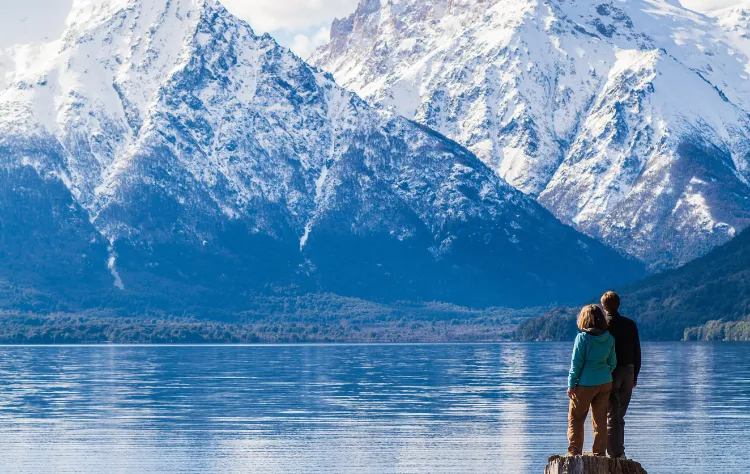
Torres del Paine as a Place to Pause
Torres del Paine is one of the most recognized regions in Patagonia, yet its experience varies entirely depending on how it is explored.
For couples, privacy and flexibility are essential. With a private guide and vehicle, the park becomes less about routes and more about moments. You move according to light, weather, and inclination. You stop when something draws your attention. You continue when it feels right.
The result is a different relationship with the landscape. Not one of observation, but of presence.
Lodges such as Awasi Patagonia or Explora are designed with this approach in mind. Their structure allows for individualized exploration, where each day is adjusted in real time. The experience feels fluid, not scheduled.
The Value of Staying in One Place
In a region defined by distance, there is value in remaining still.
Rather than moving between multiple properties, a more refined approach allows for immersion within a single setting. Over time, the landscape becomes familiar. Details that would otherwise be missed begin to surface.
Light shifts across the same peaks. Wind patterns become recognizable. Silence becomes something you settle into rather than notice.
For couples, this continuity creates a sense of ease that is difficult to replicate in more transient travel.
Argentine Patagonia: Texture, Contrast, and Intimacy
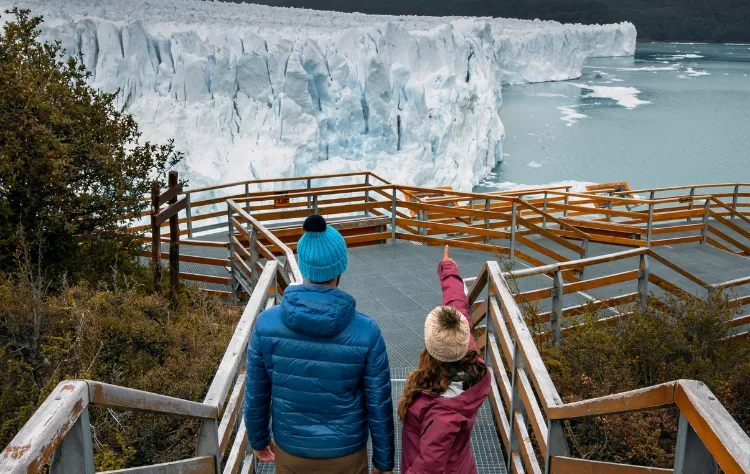
Glaciers and the Scale of the Natural World
On the Argentine side, Patagonia takes on a different tone. The landscape remains expansive, but the presence of glaciers introduces a sense of movement and sound.
Standing before Perito Moreno is often described in terms of scale. What stays with most travelers, however, is the rhythm of the ice. The subtle cracking, the occasional release, the slow but constant change.
Experiencing this privately, whether through a guided walk or a more intimate navigation along the glacier’s face, allows for a deeper engagement. There is no need to rush through the moment. It can be absorbed fully.
Estancias and the Quiet Side of Patagonia
Beyond the national parks, Patagonia reveals a more grounded rhythm through its estancias.
These historic ranches offer a different kind of connection. Days unfold without structure. Riding across open land, walking without a defined destination, or simply remaining still become part of the experience.
Properties such as Eolo or other remote estancias provide both comfort and space. Interiors are understated. Views extend without interruption. Time feels less segmented.
For couples, this environment creates a different kind of intimacy. One that is not shaped by activity, but by shared presence.
Where You Stay Shapes Romantic Patagonia Travel
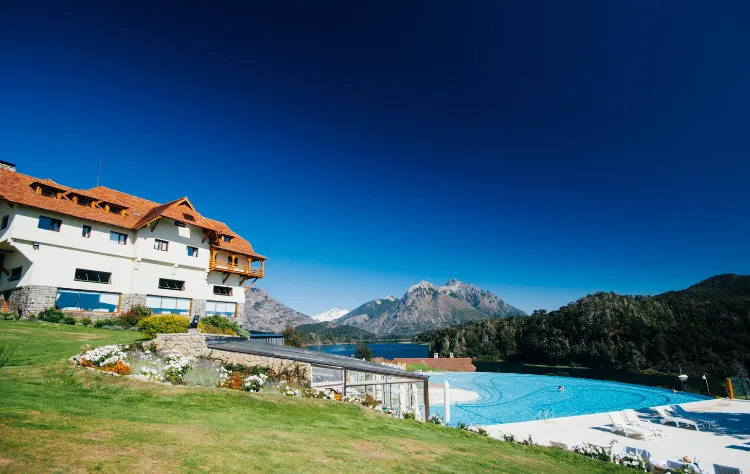
In Patagonia, accommodations are not secondary to the experience. They are integral to it.
Location determines perspective. Design influences how you relate to the environment. Service defines how seamless the journey feels.
Kuoda approaches each selection with these elements in mind. Lodges are chosen not only for their level of refinement, but for how they allow you to engage with the landscape. Privacy, access, and atmosphere are considered together.
The goal is not to impress, but to align.
Timing and Seasonality in Patagonia
Patagonia’s seasons are distinct, and each brings a different quality to the experience.
From October through March, longer days and more stable conditions allow for extended exploration. Light remains present late into the evening, creating a sense of openness in how days are structured.
Autumn introduces a quieter tone. Colors deepen, temperatures soften, and the number of visitors decreases. For many couples, this period offers a more reflective atmosphere.
Winter, while less accessible in certain areas, can be considered for those seeking a more remote and introspective experience, though it requires careful planning.
Timing is not about choosing the “best” season, but about aligning the journey with the desired pace and mood.
Sustainability and Community in a Remote Landscape
Patagonia’s remoteness requires a thoughtful approach to travel. Lodges operate with a strong awareness of their environmental impact, and experiences are often designed to minimize disruption to the surrounding ecosystems.
Kuoda works with partners who share this perspective. The emphasis is on preservation, long-term relationships, and responsible presence within the region.
As with all Kuoda journeys, these considerations are integrated naturally into the experience, without becoming its focus.
FAQs About Romantic Patagonia Travel
How long should a romantic Patagonia travel itinerary be?
A well-paced journey typically ranges from 8 to 12 days. This allows for time in both Chilean and Argentine Patagonia without creating unnecessary movement.
Is it better to focus on one region or combine both countries?
Both approaches are possible. Combining Chilean and Argentine Patagonia offers contrast, while focusing on one allows for deeper immersion. The decision depends on preferred pacing.
What level of physical activity is required?
Experiences can be tailored entirely. While Patagonia offers opportunities for active exploration, it can also be experienced through gentle walks, scenic drives, and guided outings.
When is the best time for romantic Patagonia travel?
The primary season runs from October to March. Shoulder months often provide a quieter experience with equally compelling conditions.
A Place That Changes the Pace of Travel
Patagonia does not compete for attention. It does not need to.
For couples, this creates a rare kind of space. One where the journey is not defined by what is done, but by how it is experienced together.
Romantic Patagonia travel becomes less about destination and more about alignment. With the landscape, with time, and with each other.
At Kuoda, each journey is shaped with this understanding. Carefully designed, quietly supported, and grounded in the kind of local knowledge that allows everything to feel as it should. Effortless, considered, and entirely your own.

Patagonia Trekking and the Discipline of Moving Through Open Space
Patagonia does not reveal itself quickly. It exists at a scale that resists compression. Distances are wide...
Read Post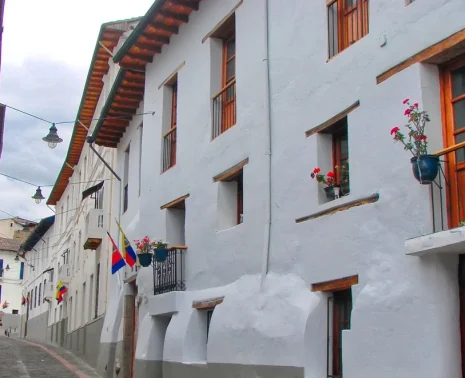
Ecuador Private Travel and the Value of Experiencing Contrast Thoughtfully
Ecuador is one of South America’s most concentrated countries emotionally and geographically. Within rela...
Read Post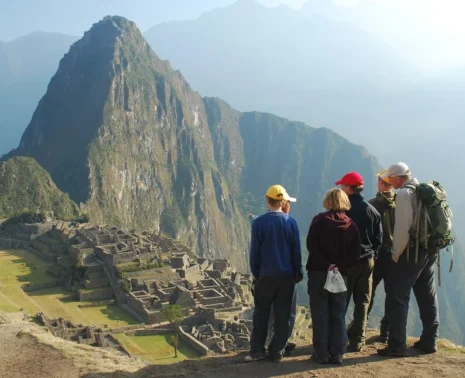
Best Peru Family Itineraries and the Importance of Traveling at the Right Rhythm Together
Peru is one of the rare destinations that genuinely works across generations. Children experience the count...
Read Post
8 DAYS
Luxury Machu Picchu Tours: Unveiling Peru’s Timeless Wonders
Cusco, Lima, Machu Picchu, Sacred Valley

8 DAYS
Peru Family Vacation: Journey to Machu Picchu and Beyond
Cusco, Lima, Machu Picchu, Sacred Valley

11 DAYS
Amazon River Cruise: A Luxury Journey Through the Amazon
Lima, Cusco, Sacred Valley, Machu Picchu, Iquitos, Amazon River