May 23, 2026 | by: Kuoda Authors


Introduction
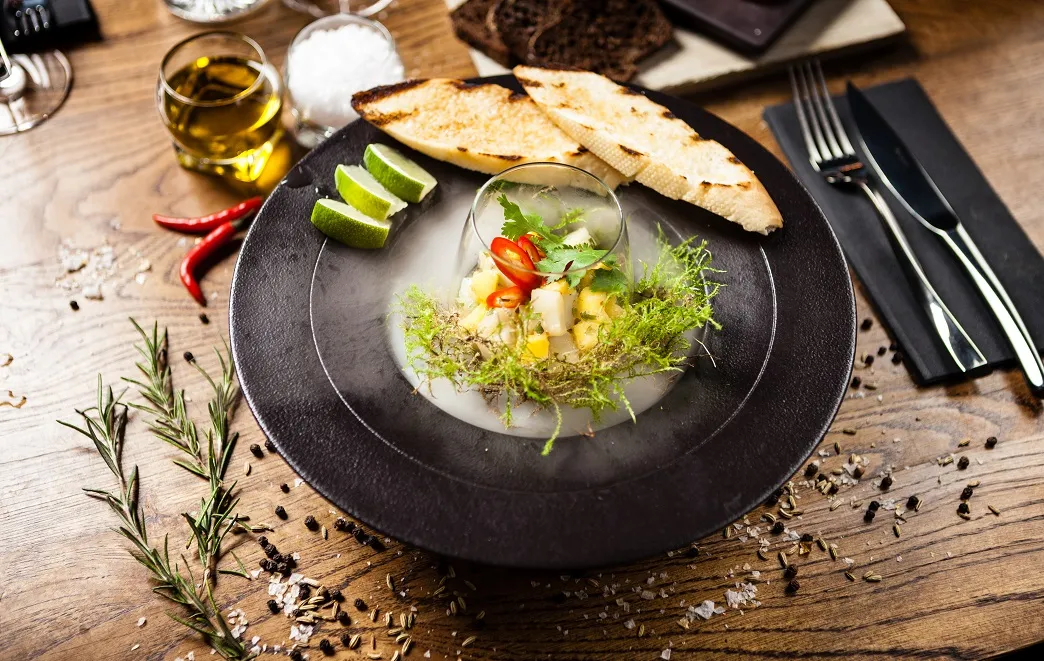
Lima is often described as a culinary capital, but that description alone does little to explain its significance.
What defines the city is not the presence of exceptional restaurants, but the structure behind them. Peru’s ecosystems converge here. Ingredients arrive from the Pacific, the Andes, and the Amazon, each carrying a distinct identity. The role of the kitchen is not to transform them beyond recognition, but to interpret them with precision.
For the traveler, this creates a different kind of question. Not where to eat, but how to move through the city in a way that reveals its culinary logic.
Lima culinary travel, when approached with discernment, becomes less about dining and more about understanding how Peru expresses itself through food.
Rethinking Lima Culinary Travel Through Selection, Not Volume
It is easy to approach Lima with a list. Reservations at the most recognized restaurants, a few additional stops, and the assumption that this alone will provide a complete experience.
In practice, this often creates imbalance.
The most refined way to experience Lima is through selection and pacing. Choosing fewer places, but understanding why each one matters. Allowing time between experiences. Letting context build rather than compressing it.
At Kuoda, Lima culinary travel is designed as a sequence. Markets, kitchens, and dining rooms are connected intentionally, so that each experience informs the next.
The result is not variety for its own sake, but coherence.
Where Lima’s Culinary Identity Begins
Markets as the Foundation of Understanding
Before any restaurant, there is the market.
Surquillo, in particular, offers a clear view into the diversity of Peruvian ingredients. The experience here is not about browsing, but about interpretation. Without context, much of what is seen remains abstract.
With the right guidance, however, the market becomes a map.
Potatoes from high-altitude regions, Amazonian fruits with unfamiliar textures, coastal herbs used in ceviche. Each ingredient connects to a geography that the traveler may later encounter.
This is often where Lima culinary travel shifts from observation to understanding. The meal that follows is no longer isolated. It is part of a larger system.
Restaurants as Different Ways of Reading Peru
Lima’s most recognized restaurants are often grouped together, yet they offer fundamentally different perspectives.
At Central, the structure is deliberate. The menu is organized by altitude, moving through ecosystems rather than courses. Dining here becomes a way of understanding Peru vertically, from sea level to the high Andes.
Maido approaches the country through cultural intersection. Nikkei cuisine, shaped by Japanese immigration, reflects a dialogue between precision and adaptation. The result is refined, but grounded.
Kjolle offers something quieter. The ingredients are familiar within the Peruvian context, but presented with a restraint that feels personal rather than conceptual. It is less about narrative, more about interpretation.
These experiences are not interchangeable. Including them all in a single itinerary is not necessarily the goal. The decision lies in understanding which perspective aligns with the traveler.
This is where curation becomes essential.
Beyond Recognition: Where Locals Actually Eat
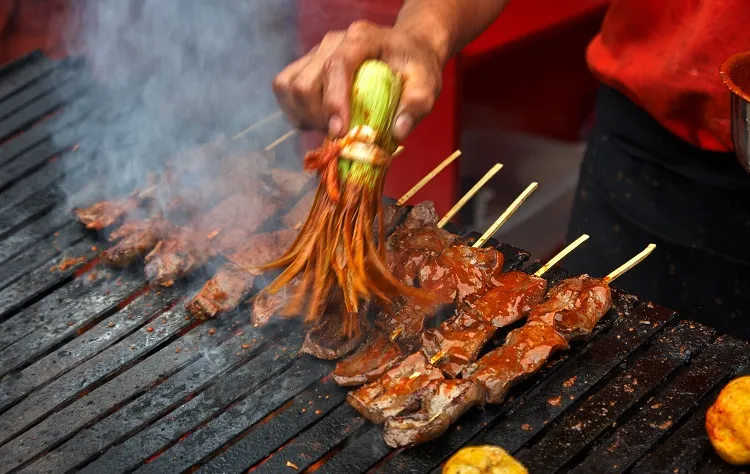
Lima’s culinary depth extends well beyond its internationally recognized restaurants.
There are spaces that do not seek attention, yet hold a strong sense of continuity. Restaurants where recipes are not reinterpreted, but maintained. Where the experience feels rooted rather than designed.
Including these places creates balance.
A journey that moves only through high-concept dining can feel disconnected from the broader culture. Integrating more grounded experiences allows for a fuller understanding of how food exists within daily life.
This contrast is subtle, but essential.
Barranco and the Informal Layer of Culinary Travel
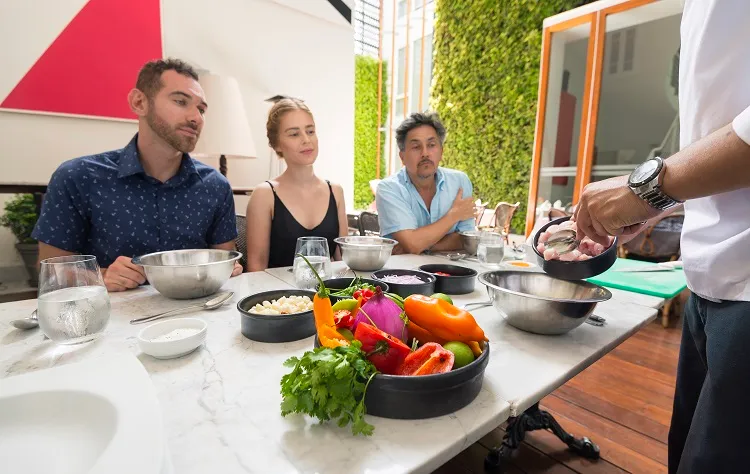
Barranco introduces a different rhythm.
Here, Lima feels less structured. Cafés, small restaurants, and creative spaces coexist without the formality of the city’s more recognized dining rooms.
This is where Lima culinary travel becomes less curated in appearance, though still carefully designed in reality.
Time in Barranco allows for movement without agenda. A slower lunch, an unplanned stop, a shift in pace. These moments often provide a different kind of insight, one that feels less constructed.
For many travelers, this becomes one of the most memorable parts of their time in Lima.
Designing a Culinary Journey That Feels Balanced
The challenge in Lima is not access. It is structure.
Without careful planning, the experience can become dense. Reservations stacked too closely. Meals that blur together. A sense of movement without reflection.
A more considered approach introduces space.
Lunches and dinners are placed with intention. Lighter experiences are balanced with more immersive ones. Time is left open, not as a gap, but as part of the design.
At Kuoda, Lima culinary travel is integrated into the broader journey through Peru. What is experienced in Lima informs what follows in the Sacred Valley, Cusco, and beyond.
Flavors, ingredients, and techniques begin to reappear in new contexts, creating continuity across regions.
Private Access and What Changes the Experience
Some of the most meaningful culinary moments in Lima do not happen in the dining room.
Time spent with chefs, access to kitchens, or curated tastings introduce a different dimension. The experience becomes conversational rather than observational.
Understanding why a dish is constructed in a certain way, how ingredients are sourced, or how menus evolve over time adds depth that is not visible from the table.
These moments are not always necessary, but when included thoughtfully, they shift the experience significantly.
Where You Stay Shapes How You Move
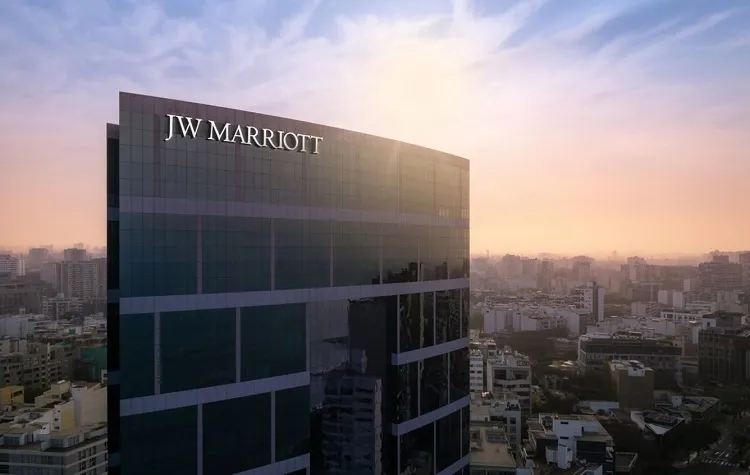
In Lima, location matters.
Staying in Miraflores provides access to many of the city’s key restaurants, along with the coastline and a more structured urban environment. Barranco offers a more intimate, culturally layered setting.
Kuoda selects accommodations based on how they support the flow of the itinerary. The goal is to minimize unnecessary movement while allowing for flexibility and ease.
The experience of the city begins at the hotel. It should feel aligned from the start.
Sustainability Within Lima’s Culinary Evolution
Peru’s culinary identity is closely tied to its biodiversity.
Many of the country’s leading chefs work directly with small-scale producers, focusing on preservation of native ingredients and responsible sourcing. This approach reflects a broader awareness of food systems and long-term sustainability.
Kuoda works with partners who share this perspective, ensuring that culinary experiences are grounded in practices that support both environment and community.
FAQs About Lima Culinary Travel
How many days should be dedicated to Lima culinary travel?
Two to three days allows for a well-paced experience that includes markets, select restaurants, and time to move through the city without pressure.
Is it necessary to dine at the most recognized restaurants?
Not necessarily. While they offer valuable perspectives, a balanced itinerary includes a range of experiences that reflect both innovation and tradition.
Can culinary experiences be adapted to personal preferences?
Yes. Every element can be adjusted, from restaurant selection to the level of access and type of experience.
How does Lima connect to the rest of Peru’s food culture?
Lima acts as a point of convergence. Ingredients and traditions from across the country come together here, providing context that continues throughout the journey.
A City That Explains Itself Slowly
Lima does not reveal its culinary identity immediately.
It requires time, selection, and an understanding of how its different layers connect. When approached thoughtfully, the city becomes more than a destination for dining. It becomes a framework for understanding Peru itself.
Lima culinary travel, at its best, is not about where you eat. It is about how each experience builds into a clearer, more complete picture.
At Kuoda, this is how the journey is designed. Quietly structured, deeply informed, and aligned with the way you prefer to experience a place.
Best Time to Visit Peru: When to Go by Region & Experience
Planning a journey to Peru is an exciting step toward exploring a land of extraordinary diversity, from the so...
Read Post
The Lost City Colombia and the Meaning of Reaching It
Some destinations are defined by what they are. Others by what it takes to reach them. The Lost City Col...
Read Post
Best Galápagos Cruises: Choosing the Right Way to Experience the Islands
The phrase “best Galápagos cruises” suggests comparison. Ships, cabins, amenities, itineraries. It invite...
Read Post
8 DAYS
Luxury Machu Picchu Tours: Unveiling Peru’s Timeless Wonders
Cusco, Lima, Machu Picchu, Sacred Valley

8 DAYS
Peru Family Vacation: Journey to Machu Picchu and Beyond
Cusco, Lima, Machu Picchu, Sacred Valley

11 DAYS
Amazon River Cruise: A Luxury Journey Through the Amazon
Lima, Cusco, Sacred Valley, Machu Picchu, Iquitos, Amazon River