May 14, 2026 | by: Kuoda Authors


Introduction
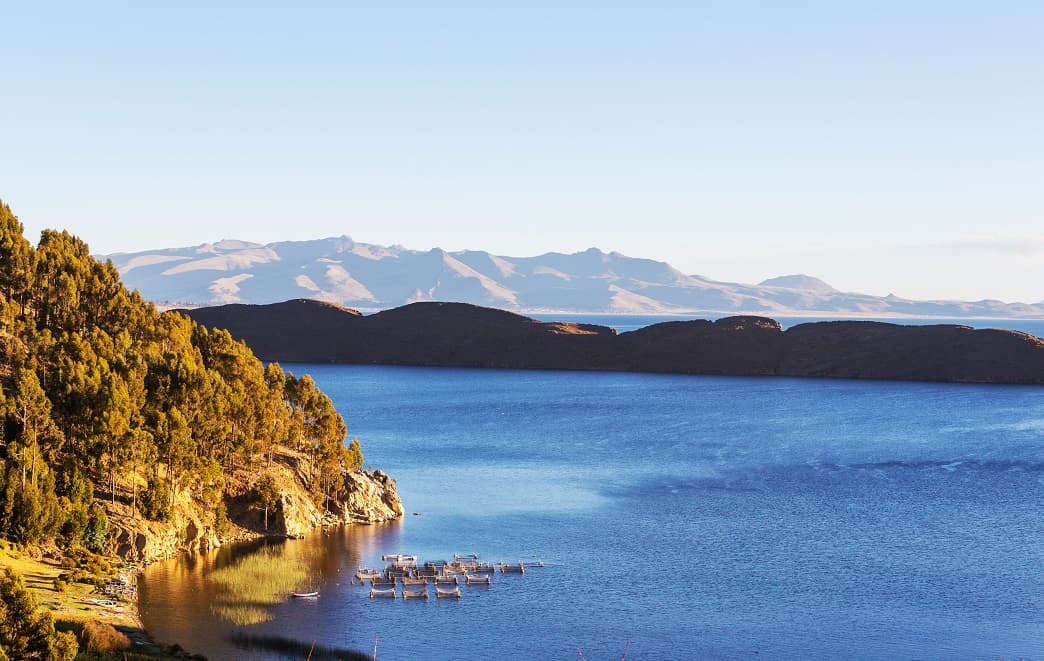
At over 3,800 meters above sea level, Lake Titicaca exists in a space where geography begins to shape perception.
The air is thinner. Sound carries differently. Water reflects light with unusual clarity. The surrounding Andes feel both distant and immediate at once.
For travelers considering lake titicaca travel, the question is not simply what to visit on the lake. It is how to approach an environment where culture and landscape remain closely intertwined. How to move through communities that continue long-standing traditions. How to experience altitude without urgency.
Lake Titicaca does not ask for attention. It asks for adjustment.
Lake Titicaca Travel as Cultural Landscape
The lake straddles the border between Peru and Bolivia, yet its cultural identity extends beyond national boundaries.
Communities around Lake Titicaca maintain traditions that predate colonial influence. Language, agricultural practices, and ceremonial life remain closely tied to the environment.
Traveling here involves more than visiting islands. It involves understanding how people live at altitude, how water shapes daily life, and how continuity persists across generations.
Lake Titicaca travel is most meaningful when approached with this perspective.
The Peruvian Side: Structure and Access
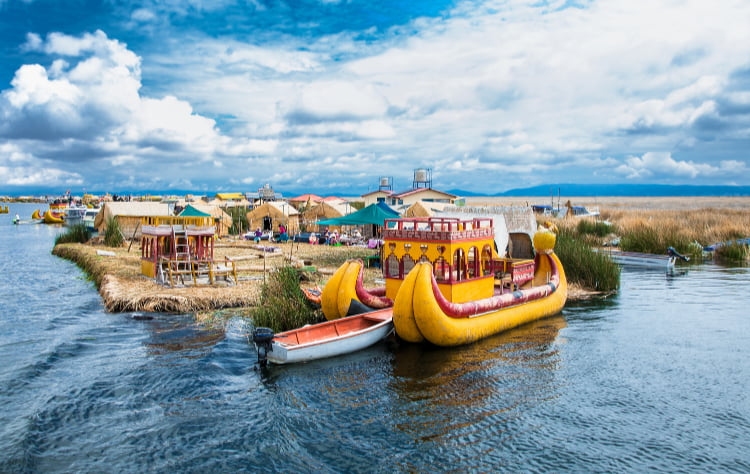
From Puno, travelers access several islands that offer insight into local life.
Among the most frequently visited are the Uros floating islands, constructed from layers of totora reeds. While visually distinctive, these islands are best understood as one expression of adaptation to the lake’s environment.
Further out, islands such as Taquile provide a quieter and more grounded experience. Here, textile traditions remain central to community identity. Walking paths reveal terraced hillsides overlooking the water.
Private boat transfers allow for flexible timing, avoiding peak visitation hours and creating space for more meaningful interaction.
The Peruvian side offers accessibility combined with structure.
The Bolivian Side: Quiet and Scale
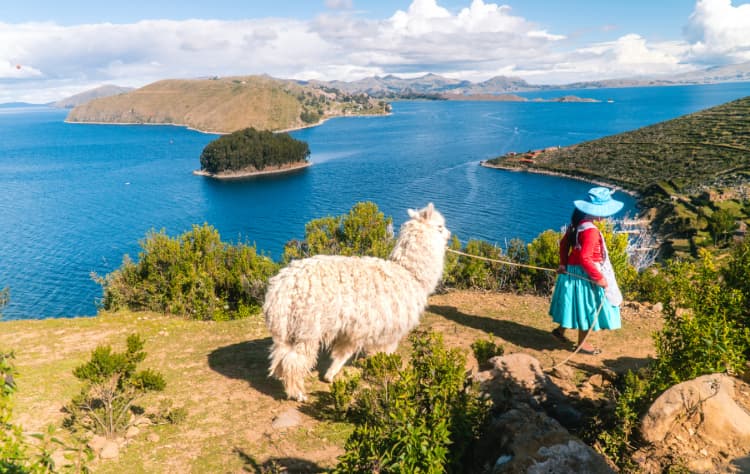
On the Bolivian side, access is typically arranged through La Paz, with travel continuing to the lakeside town of Copacabana.
From there, Isla del Sol introduces a different atmosphere. Fewer visitors, longer walking paths, and broader views across the lake create a sense of openness.
Many Andean origin myths place the emergence of the sun and early civilizations in this region, reinforcing the lake’s spiritual significance.
Lake Titicaca travel on the Bolivian side tends to feel quieter, with a stronger emphasis on landscape and reflection.
Movement Across Water
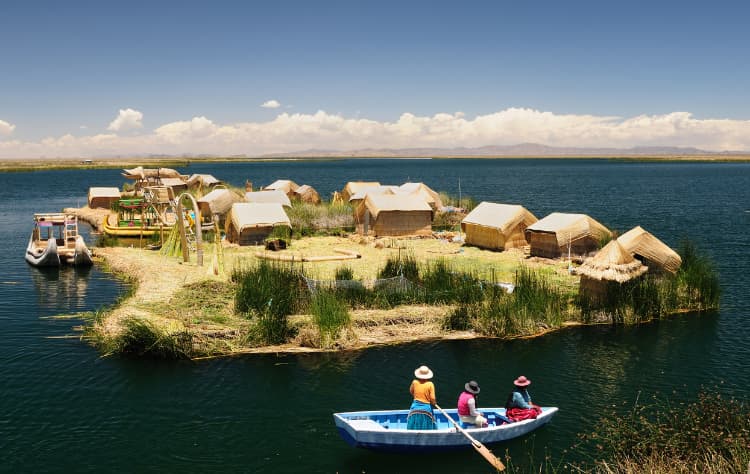
Movement on Lake Titicaca is defined by water rather than road.
Private boats provide both transportation and perspective. The pace slows naturally. Villages appear along the shoreline. Islands emerge gradually from the horizon.
Time on the lake is not structured around activity. It is shaped by transition.
Kuoda ensures that these journeys are comfortable and well-paced, with experienced guides providing context while allowing space for observation.
The lake itself becomes part of the experience.
Accommodation at Altitude
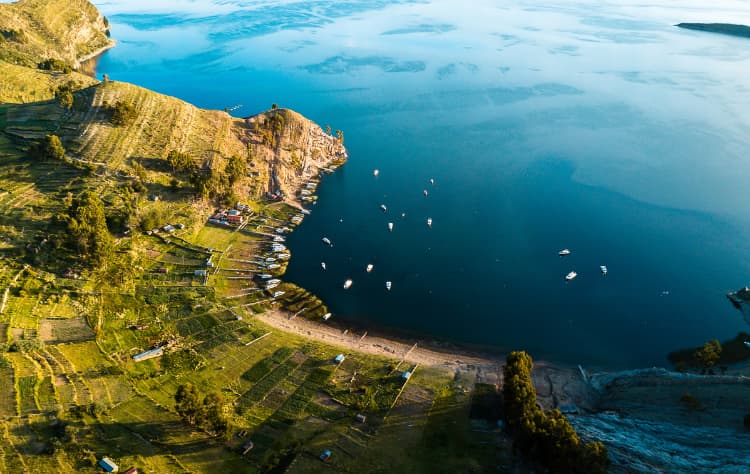
Where one stays on Lake Titicaca influences the overall experience significantly.
Boutique properties on the Peruvian side offer lakeside views with direct access to excursions. Rooms are designed to frame the landscape, with large windows opening toward the water.
Among the most distinctive options is Titilaka Lodge, located on a private peninsula. Its position allows for both seclusion and expansive views, with service that remains attentive without interruption.
Accommodation here is not about scale. It is about location and perspective.
Rest becomes part of acclimatization.
Integrating Lake Titicaca Into a Peru or Bolivia Journey
Lake Titicaca often follows time in the Andes, particularly after visiting Cusco and Machu Picchu.
The transition introduces a different dimension of Andean culture, one less defined by monumental architecture and more by continuity of daily life.
Some travelers extend their journey into Bolivia, combining the lake with the Salar de Uyuni for a broader high-altitude experience.
Kuoda designs these transitions carefully. Altitude progression is considered. Travel time is balanced. The journey remains cohesive.
Lake Titicaca becomes a point of reflection rather than a logistical challenge.
Sustainability and Cultural Respect
Communities around Lake Titicaca maintain traditions that require careful engagement.
Responsible travel includes respectful interaction with local residents and support for small-scale economies. Private visits reduce pressure on communities and allow for more meaningful exchange.
Environmental considerations are equally important. The lake’s ecosystem faces challenges related to pollution and climate change.
Kuoda collaborates with partners who prioritize sustainability and community well-being.
Through the Kaypi Kunan Foundation, Kuoda supports broader initiatives across South America that reinforce education and long-term development.
Recognition as a Tripadvisor Travelers’ Choice 2025 winner reflects continued trust among travelers who value thoughtful travel design.
Frequently Asked Questions About Lake Titicaca Travel
How many days are ideal for Lake Titicaca?
Two to three nights allow for acclimatization, exploration of key islands, and time to rest.
Is altitude a concern at Lake Titicaca?
Yes. At over 3,800 meters, gradual acclimatization is important for comfort.
Which side of the lake is better to visit?
Both Peru and Bolivia offer distinct experiences. The Peruvian side is more structured, while the Bolivian side tends to be quieter.
Can Lake Titicaca be combined with Machu Picchu?
Yes. Many travelers include the lake after exploring Cusco and Machu Picchu for a more complete Andean journey.
A Place That Requires Stillness
Lake Titicaca does not reveal itself through movement.
It exists in stillness. In the reflection of mountains across water. In the quiet continuity of communities that have lived here for generations.
Lake Titicaca travel, when approached thoughtfully, allows that stillness to be experienced without interruption.
And in that stillness, perspective shifts.

Bolivia Remote Landscapes and the Experience of Traveling Beyond Familiar Scale
Bolivia feels different from many destinations almost immediately. The landscapes appear larger, quieter, a...
Read Post
Bucket List Luxury Trips Peru and the Difference Between Seeing a Destination and Experiencing It Deeply
Peru appears on many travelers’ bucket lists long before they ever arrive there. For some, the image is i...
Read Post
Chile Curated Journeys and the Art of Traveling Through Contrast Thoughtfully
Chile is a country shaped by distance and contrast. The Atacama Desert feels almost extraterrestrial in its...
Read Post
8 DAYS
Luxury Machu Picchu Tours: Unveiling Peru’s Timeless Wonders
Cusco, Lima, Machu Picchu, Sacred Valley

8 DAYS
Peru Family Vacation: Journey to Machu Picchu and Beyond
Cusco, Lima, Machu Picchu, Sacred Valley

11 DAYS
Amazon River Cruise: A Luxury Journey Through the Amazon
Lima, Cusco, Sacred Valley, Machu Picchu, Iquitos, Amazon River