October 29, 2026 | by: Kuoda Authors


“Safe travels” is a common expression used to wish someone a safe, smooth, and pleasant journey. It is typically said before someone leaves on a trip and carries a similar meaning to “have a safe trip” or “have a safe journey”. While the phrase is simple, it can express care, goodwill, and the hope that someone reaches their destination comfortably and safely.
It appears in farewell messages, emails, and airport goodbyes. It is offered casually, yet it carries weight. For many travelers, the phrase passes without reflection. But for those who travel thoughtfully, especially across regions rich in complexity like South America, the safe travels meaning goes far beyond avoiding harm. It speaks to preparation, trust, and the quiet reassurance that someone is paying attention.
Safe Travel or Safe Travels: Which Is Correct?
Both are correct, but they are used differently. “Safe travels” is commonly used as a farewell or good wish before someone begins a journey. “Safe travel,” on the other hand, usually refers to the general idea or practice of traveling safely.
| Expression | Primary Usage & Context | Example |
|---|---|---|
| Safe Travels | Direct conversational farewell / well-wish before a trip. | “Have a wonderful flight and safe travels!” |
| Safe Travel | Conceptual term referring to general safety, logistics, or policies. | “Our priority is ensuring safe travel across South America.” |
Why Do People Say “Safe Travels”?
People say “safe travels” as a thoughtful way to wish someone well before a journey. Beyond simply hoping that the person avoids problems along the way, the phrase can convey care, goodwill, and the hope for a smooth and enjoyable trip.
Is “Safe Travels” a Common Saying?
Yes. It is a widely accepted idiom used globally across personal and professional environments as a standard, considerate farewell.
What “Safe Travels” Means Beyond the Words: The Kuoda Philosophy

At Kuoda, safety is not framed as anxiety or caution. It is a form of respect—for the traveler, for the destination, and for the journey itself.
Traditionally, wishing someone safe travels implied a hope for smooth roads and uneventful passage. In modern travel, the phrase has evolved. Today, safe travels encompasses emotional comfort, cultural understanding, health, logistics, and the confidence that support exists even when it is not visible. For Kuoda travelers, safety is not about limiting experience; it is about enabling it.
Why the Safe Travels Meaning Matters for Luxury Travelers
Luxury travel often involves distance, unfamiliar terrain, and environments that operate differently from home. Whether navigating high-altitude Andean regions, remote Amazon lodges, or bustling colonial cities, safety becomes the foundation upon which curiosity rests.
When travelers feel secure, they engage more deeply. They ask questions. They slow down. They trust the journey. Kuoda understands that safety is not created through restriction, but through intelligent design.
Safe Travels Meaning in Practice, the Kuoda Way
For Kuoda, safety is embedded into every stage of the journey, long before departure and long after arrival.
1. Thoughtful Preparation That Begins With Listening
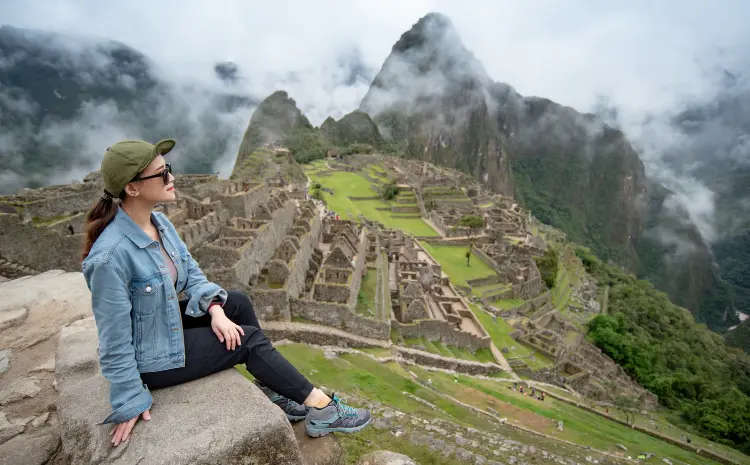
Safe travel begins with understanding the traveler. Kuoda’s planning process involves careful conversation to learn about health considerations, travel experience, comfort levels, and personal rhythms, shaping everything from pacing to accommodation choices. This preparation is not visible on the itinerary, but it is felt throughout the journey.
2. Local Expertise as the First Line of Safety
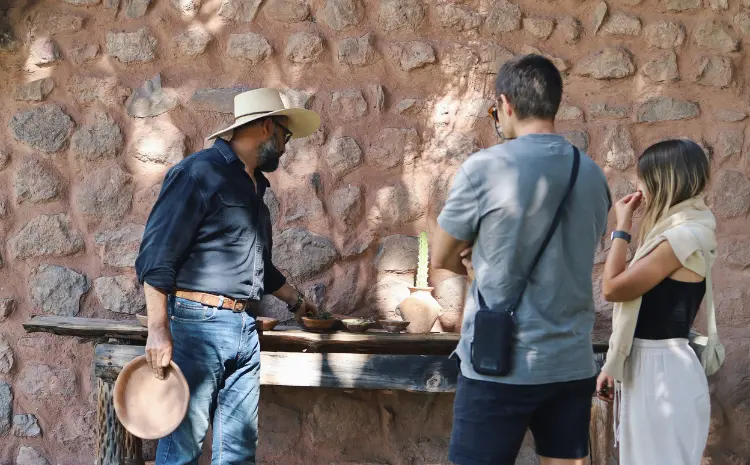
True safety cannot be managed remotely. Kuoda’s local presence, particularly our long-standing base in Cusco, allows us to remain closely connected to guides, drivers, and communities across South America. As weather or political factors shift, local knowledge allows us to adapt quietly and proactively. This is one of the most understated and important aspects of safe travel.
For travelers planning a journey to Peru, understanding local conditions is an essential part of thoughtful preparation. Our guide to travel safety in Peru offers additional insight into the considerations that help shape a well-planned journey.
3. Seamless Logistics That Reduce Risk
Confusion creates vulnerability, while clarity creates confidence. Private transfers, vetted drivers, trusted guides, and carefully coordinated schedules remove unnecessary friction from travel. Guests are never left to navigate unfamiliar situations alone or rushed through transitions. Kuoda’s high-touch logistics ensure that travel feels fluid, allowing safety to fade into the background where it belongs.
4. Cultural Awareness as a Form of Protection
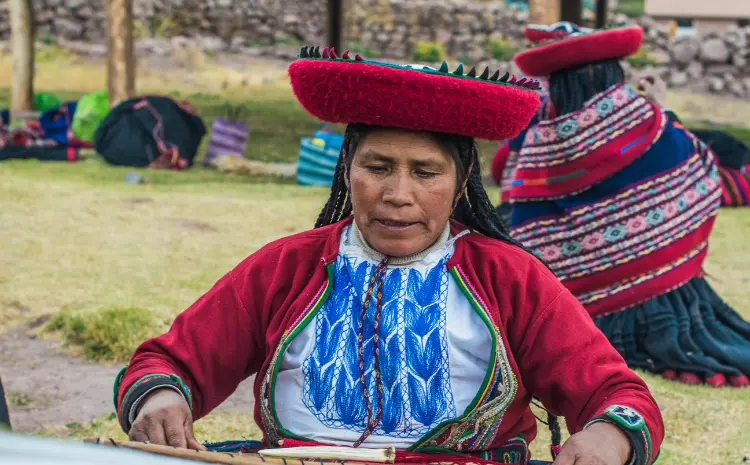
Safety is not only physical. Cultural understanding plays a critical role in how travelers move through a place. Kuoda prepares guests for local customs, etiquette, and unspoken norms. Knowing how to greet, when to pause, and how to observe respectfully reduces misunderstanding and fosters goodwill, often becoming the traveler’s greatest safeguard.
5. Health, Altitude, and Environment
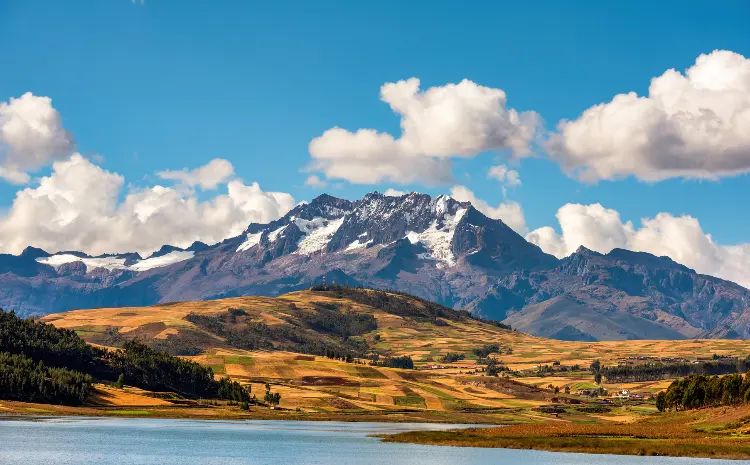
South America’s diversity includes environments that demand respect. High-altitude regions, dense rainforests, and remote landscapes require thoughtful pacing and informed guidance. Kuoda designs itineraries that allow time for acclimatization, rest, and adjustment, with guides trained to recognize early signs of discomfort and respond calmly. This approach allows travelers to feel supported without feeling monitored. For additional insight into preparing for high-altitude destinations, explore our guide to altitude sickness while traveling in South America.
6. Safe Travels Meaning and Emotional Ease
Perhaps the most overlooked element of safe travel is emotional comfort. Travelers often remember not just what they saw, but how they felt—were they rushed and uncertain, or calm and cared for? Kuoda’s approach prioritizes clear communication, responsive support, and the knowledge that someone is available if needed, allowing travelers to be fully present.
7. Sustainability and Safety Are Intertwined
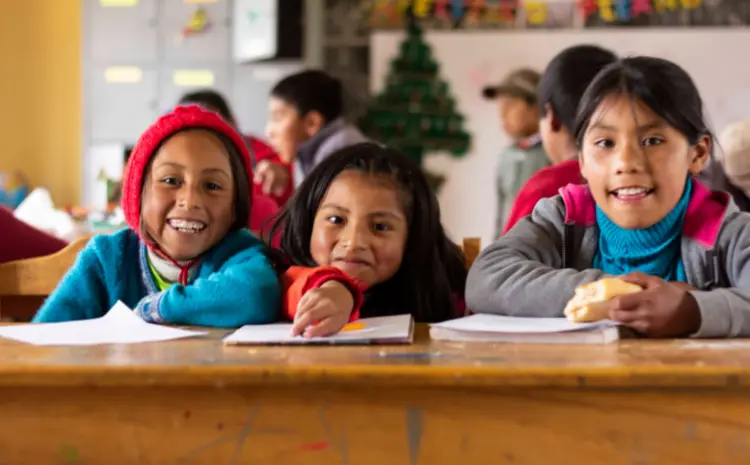
Responsible travel creates safer destinations over time. As a climate-positive company offsetting more carbon than we emit, Kuoda works with partners who protect ecosystems and support local communities, recognizing that environmental degradation and cultural erosion create instability. Through the Kaypi Kunan Foundation, we support education and cultural preservation in Andean communities, reinforcing long-term resilience so safety extends beyond the individual journey.
Why Travelers Trust Kuoda With Their Safety
Trust is built quietly, over time. Kuoda’s recognition as a Tripadvisor Travelers’ Choice award winner, placing us among the top ten percent of travel experiences globally, reflects consistent care rather than momentary success. Guests often describe feeling looked after without being managed, and supported without being constrained – a balance that defines our interpretation of safe travel.
Frequently Asked Questions About “Safe Travels”
What does “safe travels” mean?
It refers to a holistic sense of security that includes preparation, logistics, cultural understanding, and emotional reassurance.
Is it “safe travel” or “safe travels”?
Both are correct, but used in different contexts (farewell wish vs. general conceptual practice).
Is “safe travels” grammatically correct?
Yes, it functions as an established idiomatic elliptical expression.
Why do people say “safe travels”?
To express care, goodwill, and the hope for a smooth, enjoyable journey before someone departs.
Is “safe travels” a common saying?
Yes, it is widely recognized globally as a standard, polite travel farewell.
What does “safe travels home” mean?
A specific variation wishing someone a secure return trip.
Is “travel safe” or “travel safely” correct?
Both are acceptable, with “safely” acting as a direct adverb and “travel safe” utilizing a flat adverb format in common speech.
What can I say instead of “safe travels”?
Alternatives include “have a safe trip,” “bon voyage,” or “enjoy the journey”.
A wish rooted in care, awareness, and trust. When journeys are designed thoughtfully, safety becomes invisible, allowing curiosity to flourish and experiences to unfold naturally. Kuoda designs private, tailor-made journeys across South America with this philosophy at heart. When you travel with us, “safe travels” is not just something said at the beginning – it’s something felt every step of the way.
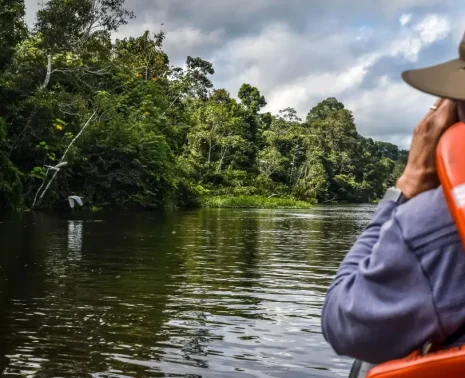
Best Amazon Tours: Journey Deep into South America’s Living Heart
Into the Wild: Where Luxury Meets the Pulse of the Jungle The Amazon is not a place you simply visit. Itâ...
Read Post
Conscious Travel Peru: Explore with Purpose, Connect with Heart
The way we travel matters. It shapes the stories we carry, the memories we create, and the impact we leave beh...
Read Post
Conservation Travel in South America: Explore and Protect with Purpose
Travel That Gives Back as Much as It Takes You In There is a growing movement among travelers to explore the ...
Read Post
8 DAYS
Luxury Machu Picchu Tours: Unveiling Peru’s Timeless Wonders
Cusco, Lima, Machu Picchu, Sacred Valley

8 DAYS
Peru Family Vacation: Journey to Machu Picchu and Beyond
Cusco, Lima, Machu Picchu, Sacred Valley

11 DAYS
Amazon River Cruise: A Luxury Journey Through the Amazon
Lima, Cusco, Sacred Valley, Machu Picchu, Iquitos, Amazon River