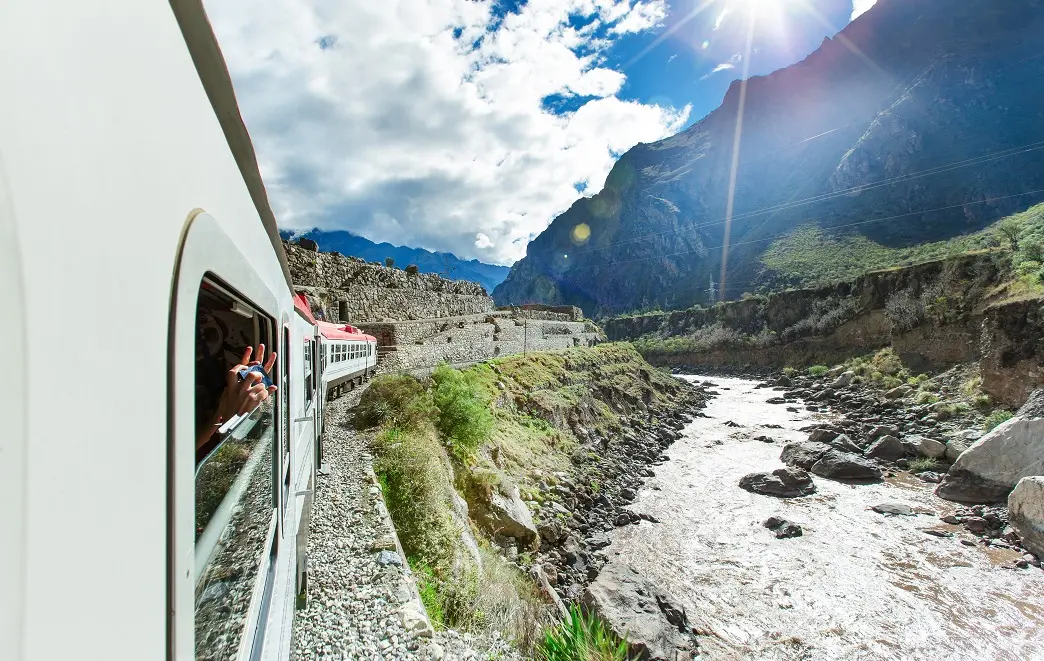
June 17, 2026 | by: Carlos Benavides


The conversation around train vs hike Machu Picchu is often framed too narrowly. Travelers tend to approach the decision as a question of activity level: train for comfort, hike for adventure. In reality, the choice shapes the emotional structure of the entire Peru journey.
Machu Picchu is not an isolated attraction reached through a single route. It is the culmination of a broader Andean experience, and how travelers arrive influences how they perceive the site itself. The difference between hiking and taking the train is not simply physical. It affects pacing, anticipation, altitude adaptation, energy management, and the overall rhythm of the Sacred Valley portion of the journey.
Neither approach is inherently superior.
The best choice depends on the traveler’s relationship with movement, landscape, time, and immersion. Some travelers experience Machu Picchu most meaningfully through the gradual physical progression of the Andes. Others benefit more from preserving energy for cultural depth, regional exploration, and a slower overall pace throughout Peru.
The question is less: “Which is better?” And more: “What kind of journey are you trying to create?”
What the Train Journey Actually Offers
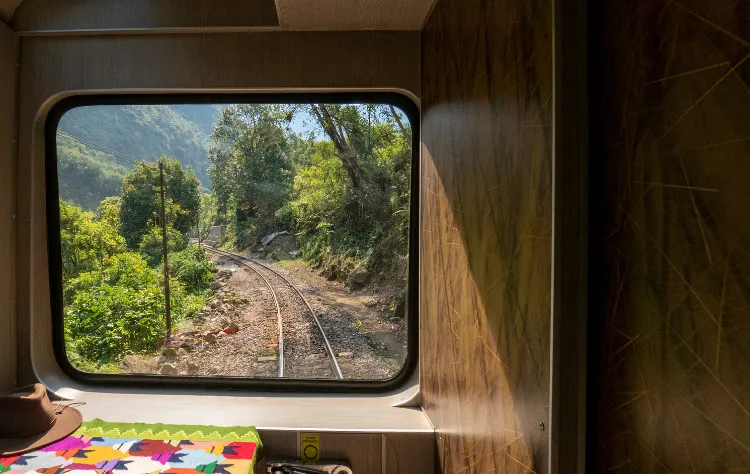
Train access to Machu Picchu is sometimes misunderstood as the “easier” or less immersive option. In practice, the train route through the Sacred Valley can be one of the most visually striking and emotionally gradual ways to approach the citadel.
The journey follows the Urubamba River as the Andes begin shifting subtly toward cloud forest terrain. Agricultural terraces, small communities, changing vegetation, and narrowing canyon walls create a natural transition into the environment surrounding Machu Picchu.
This gradual transformation matters.
Arriving by train allows travelers to preserve physical energy while remaining fully engaged with the cultural and geographical progression of the region. For many travelers, especially those combining multiple destinations across Peru, this creates a more balanced overall experience.
The train route also allows greater flexibility within the broader itinerary.
Travelers can spend additional time in the Sacred Valley, engage more deeply with local communities, explore archaeological sites at a slower pace, or combine Machu Picchu with destinations such as the Amazon or Lake Titicaca without introducing the physical demands of a multi-day trek.
This becomes particularly important for travelers prioritizing:
- multigenerational travel
- cultural immersion
- gastronomy
- photography
- slower pacing
- broader Peru exploration
The train journey does not diminish the experience of Machu Picchu. It simply frames it differently.
What the Hike Changes Emotionally
Hiking to Machu Picchu transforms the experience through progression and anticipation.
The Inca Trail, and to a lesser extent other trekking routes such as the Salkantay Trek, gradually remove travelers from modern infrastructure and immerse them physically within the Andean environment. Arrival becomes earned through movement rather than reached through transportation alone.
This changes the emotional rhythm significantly.
Days are structured around walking, altitude adaptation, changing weather conditions, and increasingly remote landscapes. Travelers experience archaeological sites not as isolated destinations, but as part of a larger network of historical pathways and mountain ecosystems.
By the time Machu Picchu appears, the journey has already reshaped perception.
The experience becomes less about arrival itself and more about continuity across several days of physical immersion.
For some travelers, this creates extraordinary emotional impact. Particularly for those who value physical challenge, extended time outdoors, or a stronger sense of pilgrimage through the Andes, hiking can deepen connection to the region considerably.
At the same time, hiking fundamentally changes the balance of the broader Peru itinerary.
Treks require recovery time, additional acclimatization planning, and a significantly different pacing structure. Travelers often underestimate how much physical energy multi-day hiking consumes, especially at altitude.
This does not make hiking less valuable. But it does make thoughtful sequencing essential.
The Role of Altitude in the Decision
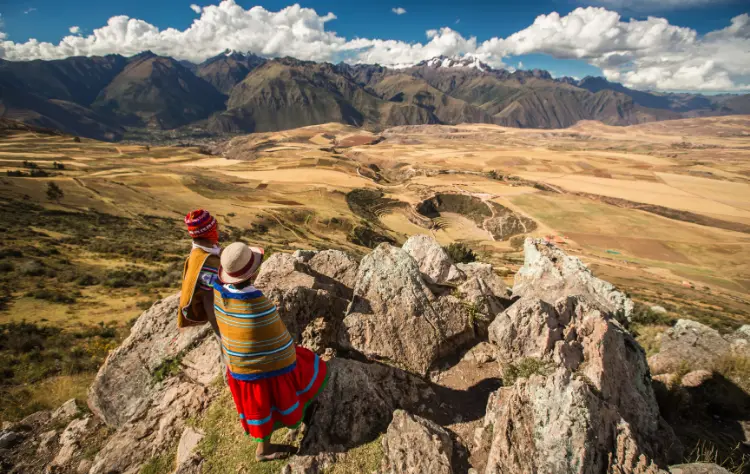
Altitude is one of the most overlooked factors in the train vs hike Machu Picchu conversation.
Many travelers arrive in Peru without fully understanding how altitude affects energy, sleep, hydration, digestion, and recovery. Even physically active travelers can experience fatigue or slower adaptation during the first days in the Andes.
This becomes especially important for hiking itineraries.
The Inca Trail involves multiple high-altitude passes, including Dead Woman’s Pass at over 13,000 feet. Strong fitness helps, but altitude adaptation remains highly individual and unpredictable. Travelers who compress acclimatization too aggressively before trekking often reduce their ability to fully enjoy the experience itself.
Train-based journeys allow more flexibility around acclimatization because travelers can remain at lower elevations in the Sacred Valley before gradually ascending toward Cusco and Machu Picchu.
From our base in Peru, we often see how dramatically itinerary sequencing influences the quality of the Andes experience. Small adjustments in arrival order, overnight positioning, or pacing frequently matter more than travelers initially realize.
The Andes reward gradual immersion. They resist rushed movement.
Why the Sacred Valley Matters More Than Travelers Expect
One of the most important aspects of the train vs hike Machu Picchu decision is understanding the role of the Sacred Valley itself.
Many travelers unintentionally reduce the Sacred Valley to a transit corridor between Cusco and Machu Picchu. In reality, it is often one of the most emotionally balanced regions in Peru.
The valley creates context for Machu Picchu.
Agricultural traditions, weaving communities, archaeological terraces, local markets, and slower village rhythms reveal how Andean culture continues to function as a living system rather than as historical preservation alone.
Train-based itineraries often allow more time to engage with this dimension of the Andes because they preserve energy and scheduling flexibility. Hiking itineraries, while deeply immersive environmentally, tend to focus more heavily on the trekking progression itself.
Again, neither approach is universally better. They simply emphasize different dimensions of Peru.
The right decision depends on whether the traveler seeks:
- physical immersion
- cultural continuity
- broader regional exploration
- slower pacing
- challenge
- flexibility
- landscape-focused travel
- or deeper focus on the Andes alone
Luxury Means Different Things on Each Route
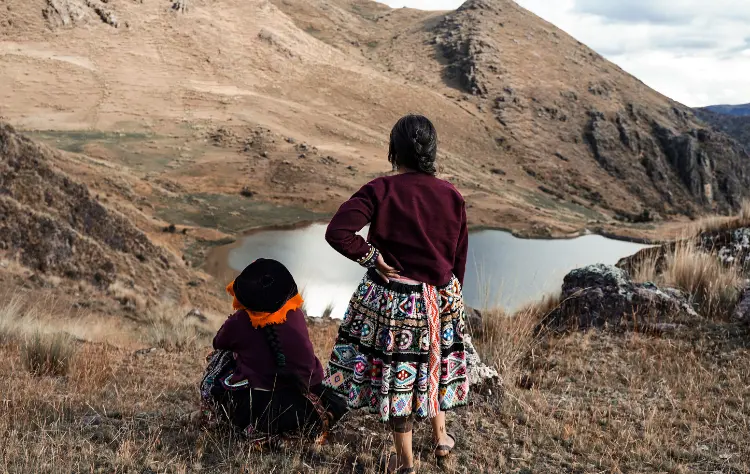
Luxury functions differently within hiking and train experiences.
For train journeys, luxury often expresses itself through ease, flexibility, strong guiding, thoughtful pacing, and the ability to experience the Andes deeply without unnecessary physical strain. The journey prioritizes continuity and comfort while maintaining cultural and geographical immersion.
For hiking journeys, luxury becomes more operational and logistical. It appears through high-quality guiding teams, pacing support, thoughtful campsite coordination, equipment management, and the ability to move through physically demanding environments with greater fluidity and care.
In both cases, the strongest experiences are rarely defined by excess.
They are defined by how naturally the traveler can remain present within the journey itself.
Sustainability and Responsible Access
The train vs hike Machu Picchu discussion also intersects increasingly with questions of sustainability and responsible access.
Machu Picchu operates under strict visitor regulations designed to protect the site and surrounding ecosystem. Hiking permits are limited carefully, train systems regulate visitor flow, and entrance circuits continue evolving to balance tourism with preservation.
Thoughtful travel design matters because pressure on the region is real.
Travelers who move through the Andes with greater awareness, slower pacing, and stronger local interpretation often contribute to more respectful engagement with the destination itself. Responsible travel here is not only about reducing impact. It is also about approaching the region with humility rather than consumption.
The Andes are not experienced fully through speed.
FAQs
Is it better to hike or take the train to Machu Picchu?
The best option depends on the traveler’s priorities. Hiking offers deeper physical immersion and gradual arrival through the Andes, while the train allows greater flexibility, comfort, and broader exploration throughout Peru.
How difficult is the Machu Picchu hike?
The Inca Trail involves multiple days of hiking at altitude and can be physically demanding, particularly for travelers unaccustomed to elevation. Proper acclimatization and pacing are essential.
Can you experience Machu Picchu fully without hiking?
Yes. Travelers arriving by train can still experience Machu Picchu deeply, especially when the broader Sacred Valley journey is thoughtfully paced and guided.
How many days should I allow for Machu Picchu?
Most travelers benefit from allowing several days within the Sacred Valley and Andes region rather than treating Machu Picchu as a single-day excursion. This creates better acclimatization, pacing, and continuity across the journey.
Two Different Ways Into the Andes
The decision between train vs hike Machu Picchu ultimately shapes more than transportation. It shapes how travelers enter the Andes emotionally and physically. Some arrive gradually through days of walking, changing weather, and mountain silence. Others arrive through the evolving landscapes of the Sacred Valley, preserving energy for deeper regional exploration and continuity across Peru. Both approaches can be extraordinary when aligned carefully with the traveler themselves. The most meaningful journeys are rarely defined by choosing the “right” route universally, but by choosing the route that allows the experience to unfold with the greatest clarity, balance, and intention.

Patagonia Trekking and the Discipline of Moving Through Open Space
Patagonia does not reveal itself quickly. It exists at a scale that resists compression. Distances are wide...
Read Post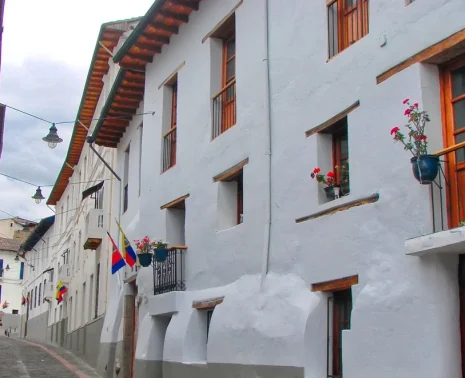
Ecuador Private Travel and the Value of Experiencing Contrast Thoughtfully
Ecuador is one of South America’s most concentrated countries emotionally and geographically. Within rela...
Read Post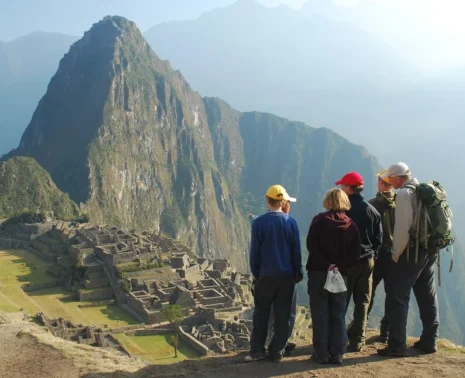
Best Peru Family Itineraries and the Importance of Traveling at the Right Rhythm Together
Peru is one of the rare destinations that genuinely works across generations. Children experience the count...
Read Post
8 DAYS
Luxury Machu Picchu Tours: Unveiling Peru’s Timeless Wonders
Cusco, Lima, Machu Picchu, Sacred Valley

8 DAYS
Peru Family Vacation: Journey to Machu Picchu and Beyond
Cusco, Lima, Machu Picchu, Sacred Valley

11 DAYS
Amazon River Cruise: A Luxury Journey Through the Amazon
Lima, Cusco, Sacred Valley, Machu Picchu, Iquitos, Amazon River