September 11, 2025 | by: Kuoda Authors


Bolivia is a land of striking contrasts. Towering Andean peaks give way to fertile valleys, colonial cities stand alongside indigenous markets, and history is written into every cobblestone street. While the Uyuni Salt Flats may be Bolivia’s most famous attraction, three cities, La Paz, Sucre, and Potosí, offer a richer, deeper understanding of the country’s identity.
When you explore these cities in Bolivia with Kuoda, you’re not just visiting; you’re engaging with their living culture, connecting with local communities, and traveling in a way that preserves the heritage and landscapes for generations to come.
La Paz – The High-Altitude Capital of Culture and Cuisine
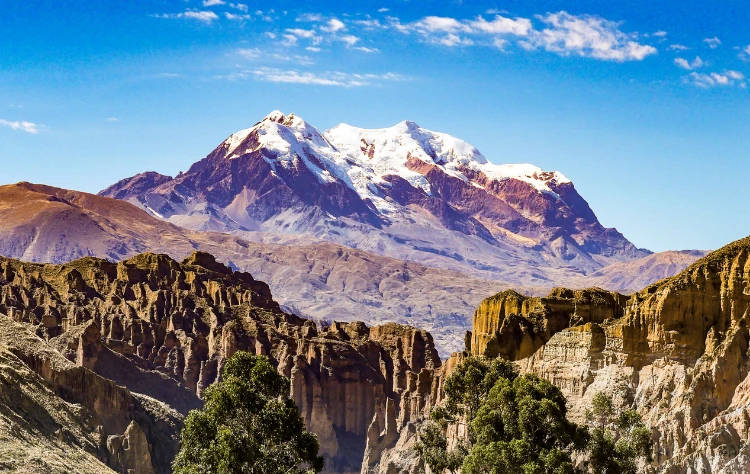
At 11,940 feet above sea level, La Paz is the highest administrative capital in the world. Carved into a canyon and framed by snow-capped Mount Illimani, the city offers a dramatic welcome to visitors.
La Paz’s unique political role began in the 19th century after civil conflict, leading to its shared capital status with Sucre. Today, it’s a city where tradition and modernity meet, bustling markets, innovative restaurants, and a skyline crisscrossed by the world’s highest cable car system.
Cultural Immersion
The Witches’ Market reveals centuries-old Andean spiritual traditions. Traveling with Kuoda means having a knowledgeable guide to interpret the meaning of ceremonial offerings, herbal remedies, and artisanal crafts, connecting you with the people who keep these customs alive.
A Culinary Awakening
La Paz has emerged as one of South America’s most exciting food cities. Restaurants like Gustu, founded by alumni of Noma, reimagine Bolivian ingredients, while Popular Cocina Boliviana elevates traditional recipes. With Kuoda, you can expect private tastings, market-to-table experiences, and conversations with chefs who are passionate about sharing Bolivia’s flavors and food heritage.
Sucre – The White City of Timeless Elegance
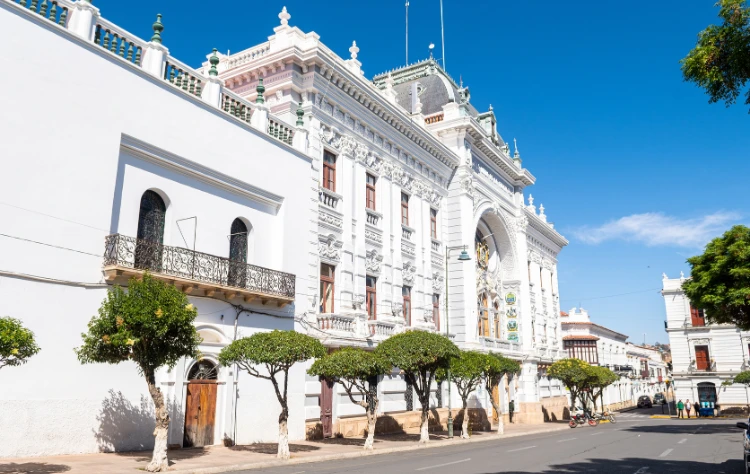
A 350-mile journey southeast brings you to Sucre, Bolivia’s constitutional capital and a UNESCO World Heritage site. Known as the “White City” for its whitewashed facades and colonial architecture, Sucre feels like a step back in time.
Architectural Splendor
From the stately Basílica Metropolitana to the rooftop of San Felipe Neri, the city’s architecture reflects its colonial legacy. When you travel with Kuoda, we arrange private heritage walks with historians and provide access to lesser-known courtyards, museums, and artisan workshops that most visitors miss.
Unexpected Wonders
Just outside the city lies Parque Cretácico, home to the world’s largest collection of dinosaur footprints. As part of your journey, we ensure your visit supports local conservation and education efforts, a key part of our commitment to responsible travel.
Potosí – The Silver Mountain’s Double Legacy
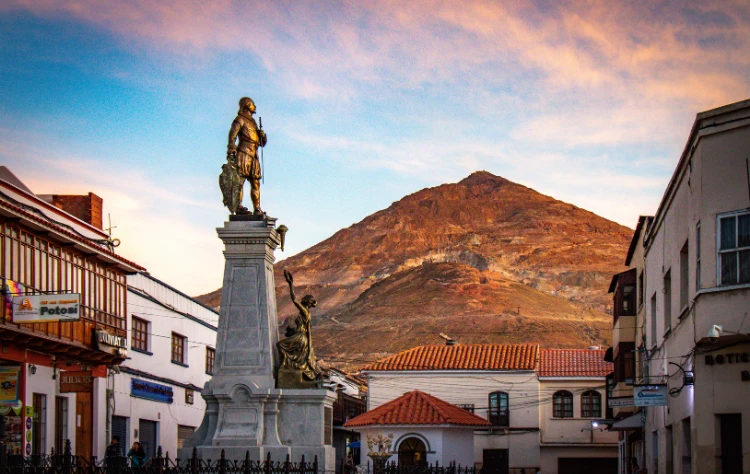
Only 50 miles from Sucre, Potosí was once one of the richest cities in the world, thanks to the silver-rich Cerro Rico. In the 16th century, its mines fueled the Spanish Empire, but at a human cost that still shapes the city’s story today.
Cultural Heritage
The Casa de la Moneda, a colonial-era mint turned museum, tells the story of how silver was transformed into currency for the Spanish crown. Exploring with Kuoda, you gain context that honors both the city’s wealth and the struggles of those who worked in its mines. Visits are crafted with sensitivity, ensuring they contribute positively to the local community.
Traveling Between the Cities
La Paz’s high-altitude energy, Sucre’s graceful colonial streets, and Potosí’s layered history together create a complete portrait of Bolivia. We design seamless connections between them, whether by private driver, chartered flight, or a carefully timed combination of both, so you can focus on discovery, not logistics.
Every Kuoda journey is bespoke. We adapt each detail to your travel style, ensuring cultural immersion, comfort, and the flexibility to follow your curiosity.
When to Visit the Cities in Bolivia
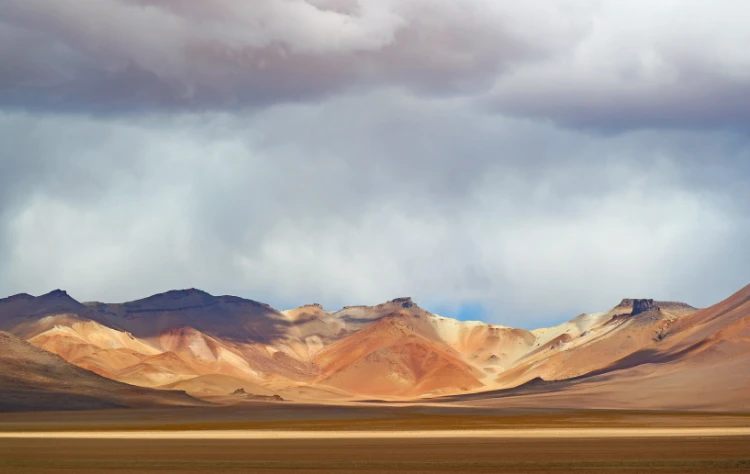
The dry season, from May to October, offers the clearest skies and most comfortable conditions for high-altitude exploration. April and November are excellent shoulder months with fewer visitors.
FAQs About Visiting Cities in Bolivia
Do I need to acclimatize before visiting La Paz?
Yes. Starting in Sucre before ascending to La Paz allows for a more comfortable adjustment.
Can I visit all three cities in one trip?
Yes. A week to ten days allows you to experience each city fully, with time for cultural and culinary exploration.
Are there luxury accommodations?
Absolutely. We select boutique colonial mansions, refined heritage hotels, and modern properties that blend comfort with authenticity.
Can I combine these cities with Uyuni Salt Flats?
Yes. Many travelers choose to add Uyuni for a complete Bolivian itinerary, something we can easily arrange.
Discover the most captivating cities in Bolivia with a journey designed around you. At Kuoda, we combine insider knowledge, personalized service, and a commitment to responsible travel to ensure every moment is meaningful, for you and for the places you visit. Learn more about how we travel responsibly.
Rainy Season in Peru: When It Is and What to Expect
When is the rainy season in Peru, and what should travelers actually expect? Understanding how the wet season ...
Read Post
Dry Season in Peru: Best Months, Weather & What Travelers Should Know
When is the dry season in Peru, and what can travelers truly expect during these months? Understanding Peru’...
Read Post
Best Time to Visit Peru: When to Go by Region & Experience
Planning a journey to Peru is an exciting step toward exploring a land of extraordinary diversity, from the so...
Read Post
8 DAYS
Luxury Machu Picchu Tours: Unveiling Peru’s Timeless Wonders
Cusco, Lima, Machu Picchu, Sacred Valley

8 DAYS
Peru Family Vacation: Journey to Machu Picchu and Beyond
Cusco, Lima, Machu Picchu, Sacred Valley

11 DAYS
Amazon River Cruise: A Luxury Journey Through the Amazon
Lima, Cusco, Sacred Valley, Machu Picchu, Iquitos, Amazon River