November 24, 2026 | by: Kuoda Authors


Across the Peruvian Andes, markets are much more than places to buy and sell goods. They bring together farmers, artisans, families, and visitors from different communities, creating spaces where food, craftsmanship, and local traditions meet. From the colorful Sunday gathering in Pisac to the textile communities of Chinchero and the highland markets around Lake Titicaca, each place offers a different perspective on everyday life in the Andes.
For travelers, visiting an Andean market is an opportunity to understand the region through its people and their daily exchanges. You may find native potatoes and seasonal produce alongside handwoven textiles, medicinal plants, and locally prepared food. More than a collection of stalls, these markets reflect relationships between rural communities and nearby towns, as well as the knowledge and traditions that continue to shape Andean culture.
What Makes an Andean Market Different?
Traditional Andean markets are closely connected to the agricultural and social life of the communities around them. Farmers bring products from different elevations and microclimates, while artisans and local vendors offer handmade goods, household items, and regional specialties. The result is a changing mix of products that reflects the season, the surrounding landscape, and the needs of the people who gather there.
Many markets also serve as meeting points between communities. People come not only to purchase what they need, but also to exchange information, maintain social connections, and participate in familiar weekly routines. In some places, traditional barter remains part of the local economy, allowing people to exchange agricultural products without using money. These practices vary by location and have evolved over time, but they remain an important part of the cultural context of certain Andean fairs.
For visitors, the experience is best approached with curiosity rather than a shopping list. Taking time to observe how vendors organize their products, asking about unfamiliar ingredients, and noticing the movement between different sections can reveal details that are easy to miss when simply walking through. A market offers a glimpse of how local traditions continue through everyday interactions.
Textiles and Clothing: The Language of Andean Craftsmanship
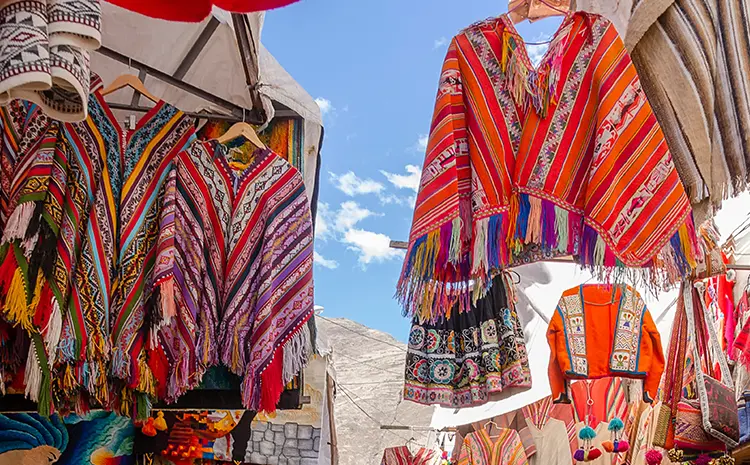
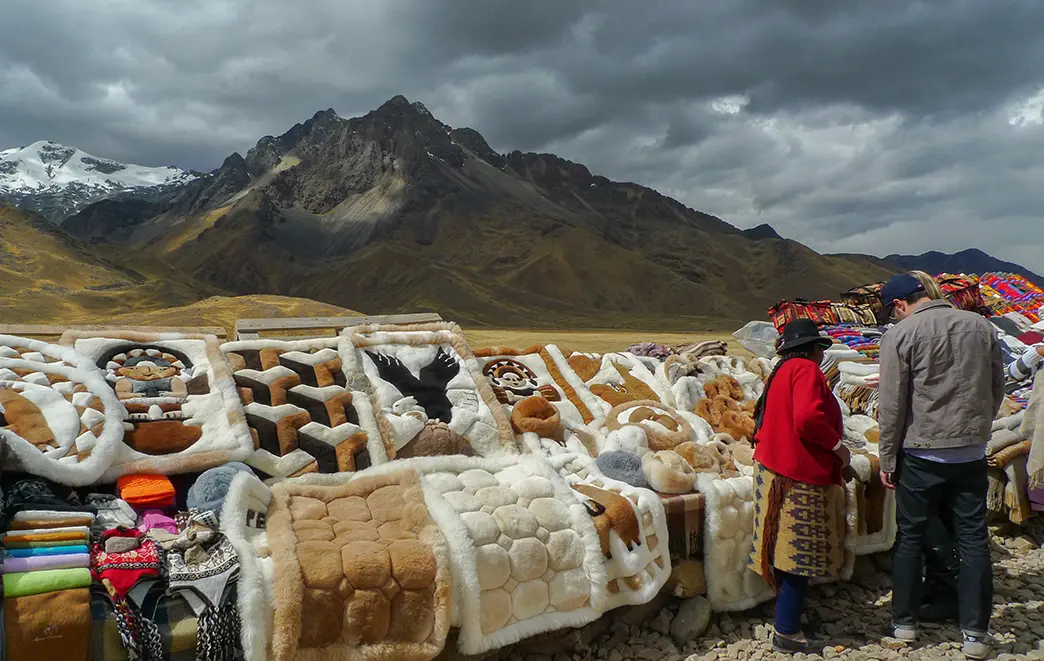
Textiles are among the most recognizable expressions of Andean cultural heritage. Across the highlands, weaving traditions are connected to family knowledge, local materials, community identity, and practical needs. Garments such as ponchos, chullos, llicllas, and woven belts are not simply decorative objects; they are part of a living textile culture that continues to adapt while preserving distinctive techniques.
In many communities, weaving knowledge is passed from one generation to the next. The process can involve selecting and preparing fibers, spinning yarn, preparing natural dyes, and using traditional looms to create patterns and finished pieces. The materials, techniques, and designs vary from one region to another, so there is no single style that represents all Andean textiles. Learning about these differences is one of the most rewarding parts of encountering local craftsmanship.
Markets provide a place where these traditions meet a wider audience. Some textiles are made for everyday use within the community, while others are produced for sale to visitors and collectors. When exploring a textile stall, asking about the material, the weaving technique, and the community or artisan behind a piece can help you understand the work involved and distinguish handmade products from mass-produced alternatives.
Food and Agricultural Exchange: A Taste of the Andes
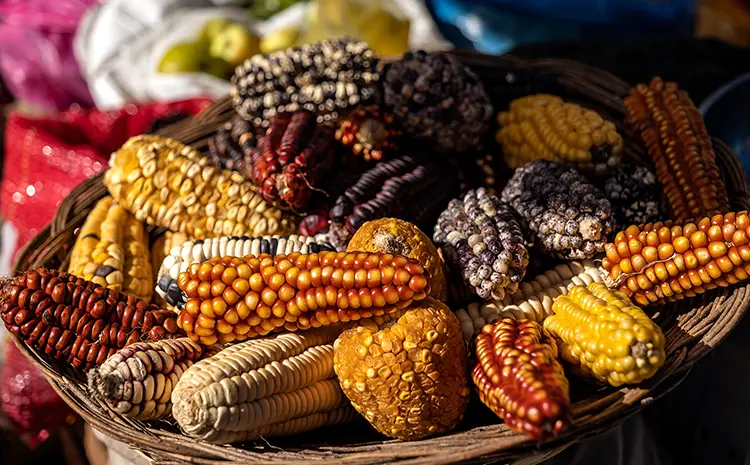
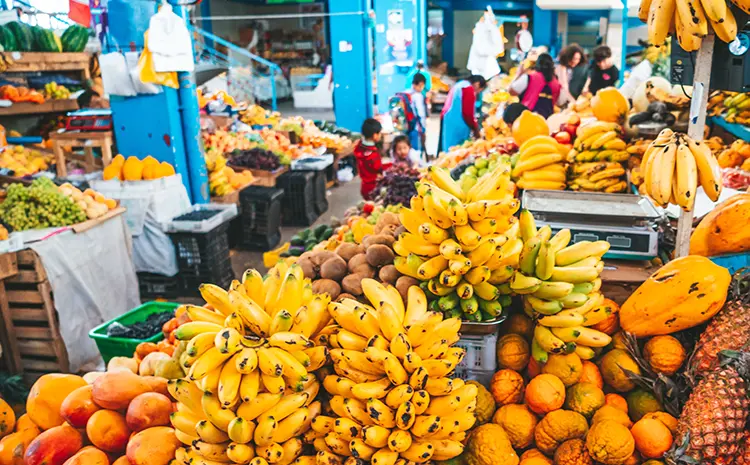
Food is at the heart of many Andean market experiences. The variety of products reflects the region’s different altitudes and agricultural conditions, from highland crops such as native potatoes, quinoa, and other grains to vegetables, fruit, herbs, and dairy products brought from nearby valleys. These ingredients are closely connected to local cooking traditions and to the knowledge farmers have developed through generations of working with the land.
Markets also reveal how food moves between rural communities and urban centers. Producers bring their harvests to town, while vendors distribute ingredients to families, restaurants, and other buyers. In some traditional fairs, agricultural exchange can still include barter, particularly among people who have long-standing relationships with neighboring communities. This practice is not present in every market, but where it continues, it offers an insight into forms of exchange that go beyond conventional retail.
For travelers, tasting local food can be a natural way to become part of the experience. Depending on the market, you may encounter freshly prepared soups, breads, fruit juices, corn, potatoes, and regional dishes. Rather than expecting the same selection everywhere, let the season and the stalls determine what you try. A local guide can also help identify ingredients, explain how they are used, and introduce the culinary traditions behind them.
Pisac: A Gathering of Communities in the Sacred Valley
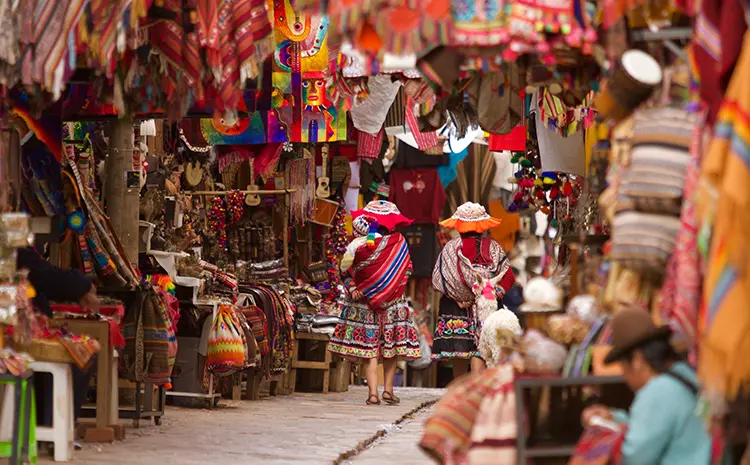
Located in the Sacred Valley, approximately 32 kilometers northeast of Cusco, Pisac is home to one of Peru’s best-known traditional markets. Its Sunday gathering brings together local producers and vendors from the surrounding highland communities, creating a lively exchange of agricultural products, handicrafts, and everyday goods. The market is especially interesting because it connects the town with the rural areas that supply much of its produce.
On market day, the main square becomes a meeting point where visitors can observe the variety of products brought into town. Native potatoes, corn, grains, vegetables, and other agricultural goods share space with textiles, woven accessories, ceramics, and other crafts. The market also has a strong visual character, but its significance goes beyond the colorful displays: it remains connected to the commercial and social life of the surrounding communities.
Sunday is traditionally the most active day to experience Pisac’s broader market atmosphere, although craft stalls may operate on other days as well. The municipality has highlighted the participation of local producers and the role of the Sunday market in supporting agricultural activity and regional identity. For travelers, visiting in the morning offers time to explore the square, observe the exchanges, and continue with other experiences in the Sacred Valley afterward.
Pisac can also be combined with a visit to its nearby archaeological site, but it is worth allowing enough time for both. The market and the ruins offer different perspectives on the region: one reveals contemporary community life, while the other provides a view into the history of the Inca world. Together, they help place the Sacred Valley’s cultural traditions within a broader historical landscape.
Chinchero: Weaving Traditions and the Sunday Fair
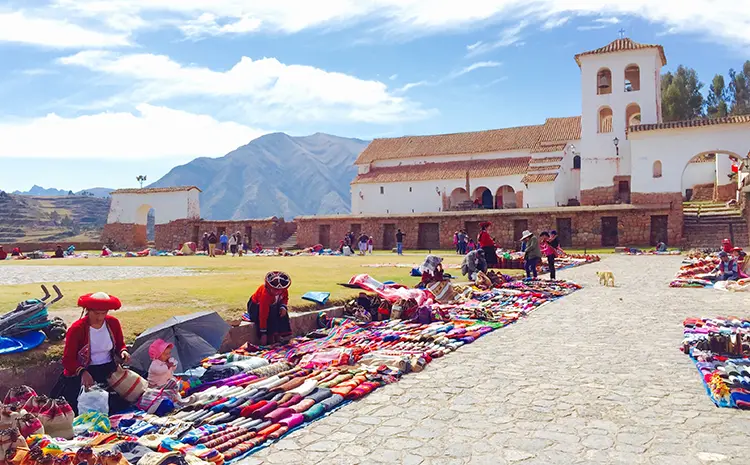
High above the Sacred Valley, Chinchero is known for its traditional textile heritage and its Sunday market. The town brings together agricultural exchange and craftsmanship in a setting where weaving remains an important part of local cultural identity. Its main square becomes a gathering place for vendors and residents, while nearby textile centers offer opportunities to learn more about the techniques behind the region’s distinctive fabrics.
The Sunday fair includes native potatoes, Andean grains, and other agricultural products, alongside handmade textiles and regional crafts. One particularly interesting feature is the continued practice of trueque, or barter, sometimes referred to locally as chalay. This form of exchange allows people to trade products without necessarily using money, maintaining a connection to older systems of community commerce. Its presence and frequency may vary, so visitors should understand it as a continuing local practice rather than something guaranteed at every visit.
Chinchero’s textile centers offer another way to understand the market’s cultural context. Here, local weavers may demonstrate processes such as spinning, preparing natural dyes, and working on traditional looms. These encounters reveal the knowledge behind a finished textile and the importance of passing techniques between generations. For travelers interested in Andean craftsmanship, combining the Sunday market with a visit to a weaving center provides a more complete picture of the town’s traditions.
Markets Around Lake Titicaca: Food, Trade and Textile Heritage
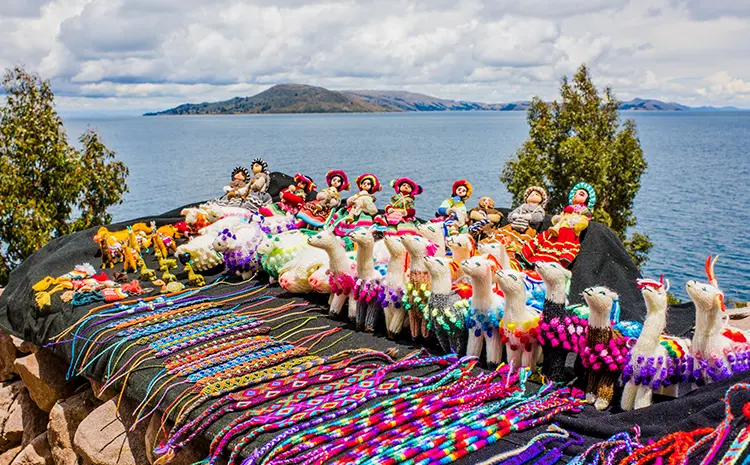
In the Puno region, the markets and fairs around Lake Titicaca reflect the agricultural diversity and cultural connections of the high plateau. Local commerce links communities from different provinces, bringing together products from rural areas and the city. In and around Puno, visitors can encounter food markets, artisan fairs, and community-based cultural experiences that reveal how trade and craftsmanship remain part of everyday life.
Puno’s Mercado Artesanal del Puerto Muelle is one place to explore the region’s craft traditions. It brings together several artisan associations and makers from different provinces of Puno, offering work in textiles, embroidery, ceramics, jewelry, musical instruments, and other crafts. Visitors may also have the opportunity to see artisans working with their materials and tools, providing a closer look at the techniques behind the finished pieces.
Beyond the city, the island of Taquile offers a particularly meaningful encounter with Andean textile heritage. Weaving is part of everyday life for men and women of different generations, and the island’s textile art was inscribed on UNESCO’s Representative List of the Intangible Cultural Heritage of Humanity in 2008. Its characteristic garments include knitted chullos and woven belts that can represent elements of community history, oral tradition, and agricultural and ritual cycles.
Taquile is not simply another market destination. It is a community where textile production is closely connected to identity, knowledge, and daily life. Visitors may encounter local textile work through community-based tourism experiences and opportunities to learn about the techniques and meanings behind the pieces. Taking time to understand this context makes the experience more valuable than treating the island as a place to purchase souvenirs.
Experiencing Andean Markets Respectfully
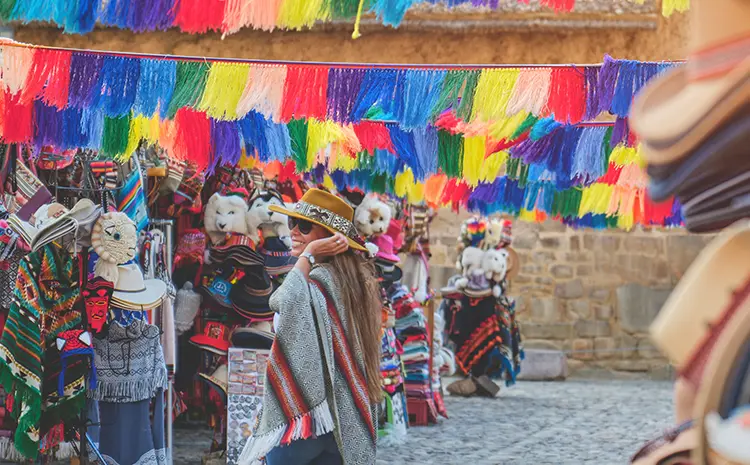
Markets are working spaces for the people who depend on them, so visitors should approach them with consideration. Ask before photographing vendors, artisans, or their products, particularly when taking close portraits. A friendly greeting and a little patience can make interactions more comfortable, while learning a few basic words in Spanish or Quechua can help create a more natural exchange.
It is also worth remembering that not every product is locally made. Some stalls sell handmade objects from nearby communities, while others offer goods produced elsewhere or manufactured in larger quantities. If you are interested in buying a textile or craft, ask about its origin, materials, and production process. These questions can help you understand the work behind an item without assuming that every product represents a particular community or tradition.
When tasting local food, choose stalls where dishes are freshly prepared and served in clean conditions. Carry some cash in small denominations, as payment options can vary between vendors. Most importantly, avoid treating traditional clothing, ceremonies, or everyday activities as performances arranged for visitors. A market is part of a community’s daily life, and observing it respectfully is one of the best ways to appreciate its cultural value.
Discover Andean Market Traditions with Kuoda
Exploring Andean markets can become one of the most memorable parts of a journey through Peru. From the agricultural exchanges of Pisac and Chinchero to the textile traditions around Lake Titicaca, these places offer a closer understanding of how communities maintain their relationships with the land, their crafts, and one another. Each visit reveals a different aspect of Andean culture, shaped by local histories and contemporary ways of life.
Kuoda Travel can incorporate market visits and artisan encounters into a tailor-made journey through Peru. Depending on your interests and itinerary, this may include exploring a traditional market with a knowledgeable local guide, learning about regional ingredients, or meeting artisans and discovering the techniques behind their work. Experiences are arranged according to local availability and the preferences of the communities involved.
Whether you are drawn to the food traditions of the Sacred Valley, the weaving heritage of Chinchero, or the cultural landscape of Lake Titicaca, an Andean market experience offers more than a glimpse of local products. It is an opportunity to understand the people, knowledge, and everyday exchanges that keep these traditions alive.
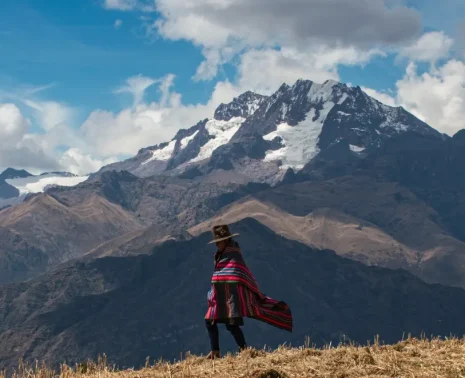
Winter in Peru: Weather, Months & Travel Guide
Winter in Peru runs approximately from June through August, but the experience varies considerably across the ...
Read Post
Rainy Season in Peru: When It Is and What to Expect
When is the rainy season in Peru, and what should travelers actually expect? Understanding how the wet season ...
Read Post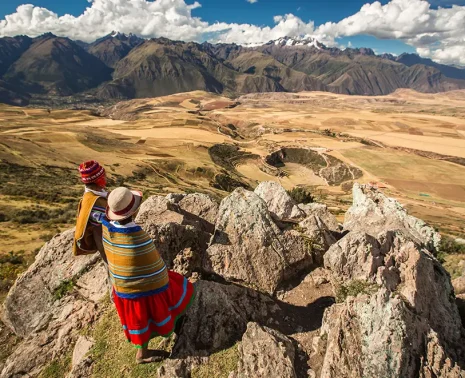
Dry Season in Peru: Best Months, Weather & What Travelers Should Know
When is the dry season in Peru, and what can travelers truly expect during these months? Understanding Peru’...
Read Post
8 DAYS
Luxury Machu Picchu Tours: Unveiling Peru’s Timeless Wonders
Cusco, Lima, Machu Picchu, Sacred Valley

8 DAYS
Peru Family Vacation: Journey to Machu Picchu and Beyond
Cusco, Lima, Machu Picchu, Sacred Valley

11 DAYS
Amazon River Cruise: A Luxury Journey Through the Amazon
Lima, Cusco, Sacred Valley, Machu Picchu, Iquitos, Amazon River