August 14, 2026 | by: Kuoda Authors


Mendoza changes the pace of travel almost immediately.
Travelers arrive expecting vineyards and wine, and the region certainly delivers both at an extraordinary level. Yet what makes Mendoza memorable is not simply the quality of the food or the wines themselves. It is the relationship between landscape, agriculture, altitude, and rhythm that shapes the experience surrounding them.
This is what makes Mendoza culinary travel so compelling.
The region works through continuity rather than intensity. Vineyards stretch beneath the Andes. Long lunches extend naturally into late afternoons. Mountain light changes the atmosphere throughout the day. Travelers stop moving quickly through experiences and begin settling into them instead.
Mendoza is rarely about excess. It is about refinement through simplicity, place, and time.
Mendoza Is Defined by the Andes
The Andes shape everything in Mendoza.
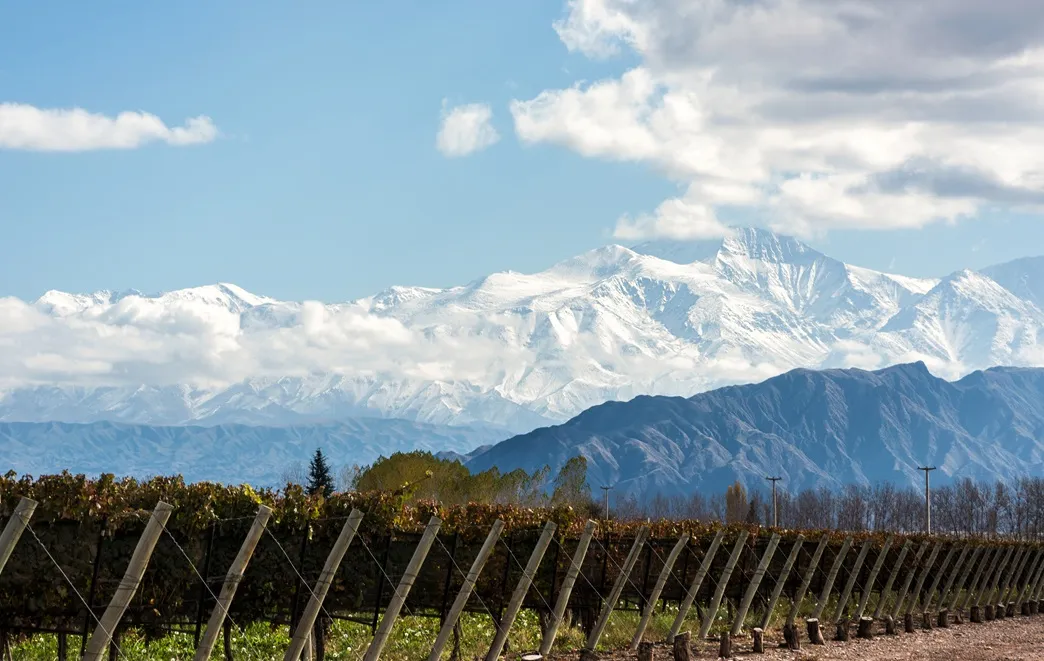
They determine climate, irrigation, agriculture, wine production, and even the emotional atmosphere of the region itself. Travelers often notice that the mountains remain constantly present, whether dining outdoors beneath vineyard landscapes or driving through quieter agricultural roads framed by snow-covered peaks in the distance.
This environmental presence changes how culinary travel feels here.
Food and wine stop existing independently from the landscape surrounding them. Meals become expressions of altitude, seasonality, water systems, and regional identity rather than isolated luxury experiences disconnected from place.
The strongest Mendoza culinary travel experiences preserve this connection carefully.
Travelers begin understanding not only what they are tasting, but why the region tastes the way it does.
Culinary Travel in Mendoza Is About Rhythm
One of the most distinctive aspects of Mendoza is how naturally the pace slows.
Meals unfold gradually. Tastings feel conversational rather than transactional. Vineyards encourage lingering rather than rushing. Travelers often stop thinking in terms of schedules entirely once they settle into the region’s rhythm.
This slower atmosphere matters enormously.
Mendoza does not reveal itself properly through highly compressed itineraries where travelers move rapidly between wineries trying to maximize volume. The strongest culinary journeys leave enough space for observation, conversation, and environmental immersion between experiences.
The region rewards travelers who allow time to stretch naturally.
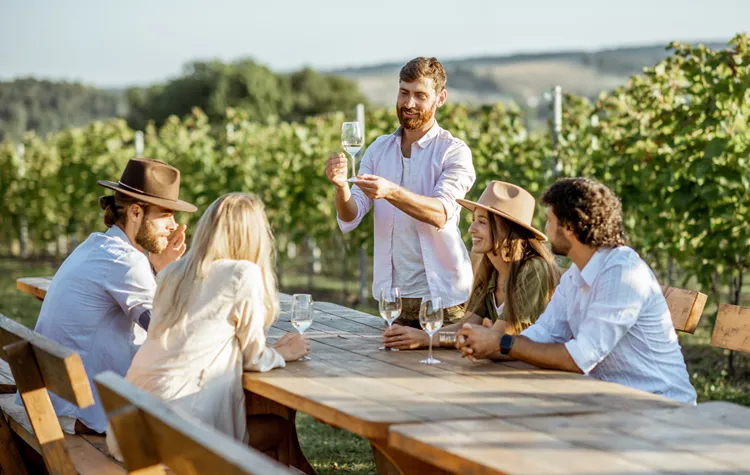
Long lunches overlooking vineyards, evenings shaped by mountain light, and slower mornings in wine country often become more memorable than the formal tastings themselves.
Wine and Landscape Cannot Be Separated
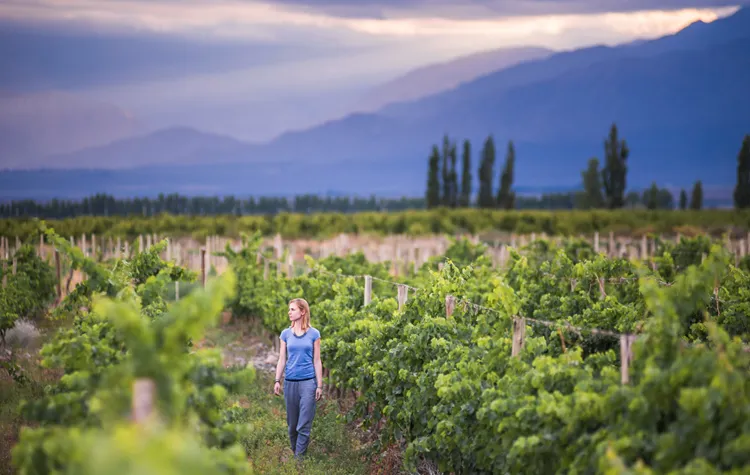
Mendoza’s wine culture feels deeply tied to geography.
The relationship between altitude, irrigation, temperature shifts, and Andean snowmelt shapes the identity of the region completely. Travelers moving thoughtfully through Mendoza begin noticing how closely agriculture remains connected to the surrounding landscape.
This grounding gives the region emotional authenticity.
The strongest Mendoza culinary travel experiences are not simply about luxury wine tourism. They are about understanding how wine, cuisine, and landscape interact continuously within daily life. Local ingredients, slower agricultural rhythms, and mountain conditions all contribute to the atmosphere surrounding the table itself.
Travelers often remember this feeling long after specific wines fade from memory: the sensation that everything in Mendoza feels connected to the land around it.
Beyond Wine Tastings
While Mendoza is internationally known for wine, the culinary experience extends far beyond tasting rooms alone.
The region’s food culture reflects Argentina’s broader relationship with gathering, conversation, and long meals that prioritize rhythm as much as cuisine itself. Fire cooking, regional ingredients, seasonal vegetables, olive oils, mountain herbs, and slower forms of dining all shape the experience naturally.
This creates a quieter form of luxury.
Travelers are not rushed through formal pairings or overly staged culinary performances. Instead, the strongest experiences often feel relaxed, immersive, and deeply rooted in place. Meals unfold through atmosphere and continuity rather than presentation alone.
Mendoza culinary travel succeeds when travelers feel invited into the region’s rhythm rather than simply consuming curated experiences from outside it.
Mendoza and the Emotional Structure of Argentina
Mendoza also works beautifully within broader Argentina journeys because the region creates emotional balance.
Buenos Aires introduces urban energy, architecture, and social rhythm. Patagonia reshapes perception through scale and silence. Iguazú overwhelms through environmental intensity. Mendoza softens the journey again through stillness, wine country, and agricultural landscapes framed by the Andes.
This sequencing matters enormously.
The strongest Argentina itineraries understand when travelers need Patagonia’s openness and when they need Mendoza’s warmth and slower pace afterward. Culinary travel here often becomes emotionally restorative because the region encourages travelers to stop moving aggressively and simply remain present within the landscape itself.
Mendoza changes not only what travelers experience, but how they experience time.
Private and Personalized Culinary Exploration
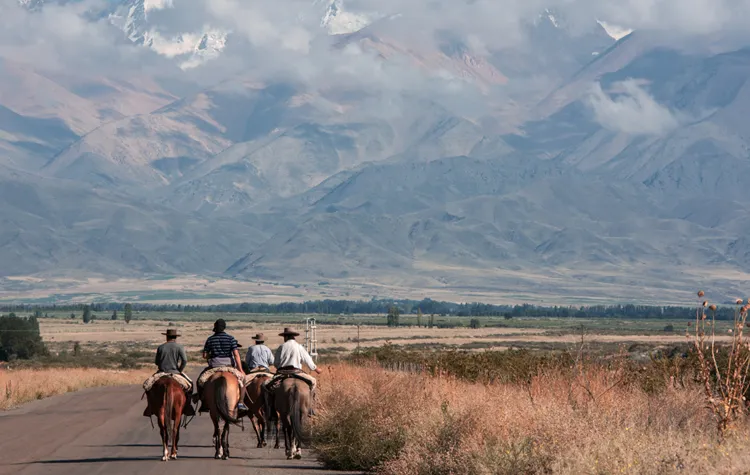
Mendoza responds especially well to private travel because culinary experiences become far more meaningful when pacing remains flexible.
Some travelers want deeper immersion into viticulture and wine production. Others connect more strongly through gastronomy, architecture, mountain landscapes, horseback riding, or slower environmental immersion within vineyard regions.
Private travel allows the experience to unfold according to the traveler’s own rhythm rather than through rigid schedules.
This flexibility matters because Mendoza’s atmosphere depends heavily on calm pacing. Travelers often enjoy the region most when days feel lightly structured rather than overfilled.
The strongest Mendoza culinary travel experiences feel personal rather than performative.
Local Expertise and the Invisible Layer of the Journey
Mendoza can appear simple structurally, but the emotional quality of the journey depends heavily on thoughtful curation behind the scenes.
Winery selection, pacing, regional positioning, meal timing, and environmental balance all influence how connected travelers ultimately feel to the experience itself. Two vineyard days can feel entirely different depending on how thoughtfully they are sequenced.
From our base in South America, we regularly see how dramatically Mendoza changes when travelers are guided toward experiences that align with their rhythm rather than generic luxury wine tourism structures.
Sometimes the strongest moments happen outside formal tastings altogether: a quieter lunch overlooking the Andes, a long conversation after dinner, or simply remaining still long enough for the landscape to shape the atmosphere naturally.
Sustainability and Slower Forms of Luxury
Mendoza also reflects a growing shift toward more thoughtful forms of luxury travel.
Smaller-scale wineries, slower pacing, local ingredients, and stronger regional connection often create richer experiences than highly commercialized wine tourism environments. Travelers tend to engage more deeply with Mendoza when the journey emphasizes continuity and immersion rather than excess.
The region rewards restraint beautifully.
FAQs
What is Mendoza culinary travel?
Mendoza culinary travel focuses on experiencing Argentina’s wine country through gastronomy, vineyards, mountain landscapes, and thoughtfully paced regional exploration.
Why is Mendoza good for culinary travel?
Mendoza combines world-class wine, Andean landscapes, slower pacing, refined hospitality, and deeply regional cuisine in ways that create highly immersive travel experiences.
How should culinary travel in Mendoza be paced?
The strongest journeys involve slower pacing, fewer transitions, and enough time for travelers to experience the rhythm of the region naturally.
Can Mendoza be combined with other Argentina destinations?
Absolutely. Many travelers combine Mendoza with Buenos Aires, Patagonia, or Iguazú for a more layered Argentina journey.
Where the Journey Begins to Slow Naturally
Mendoza culinary travel often becomes memorable because the region gradually changes travelers’ relationship with pace, landscape, and attention itself. Over time, meals stretch longer, mountain light becomes more noticeable, and wine begins feeling inseparable from the Andes surrounding it. Travelers stop moving through experiences quickly and begin settling into the atmosphere of the region instead. Mendoza reveals itself most fully not through intensity or excess, but through the quiet understanding that some destinations are experienced best when there is enough time to simply remain present within them.
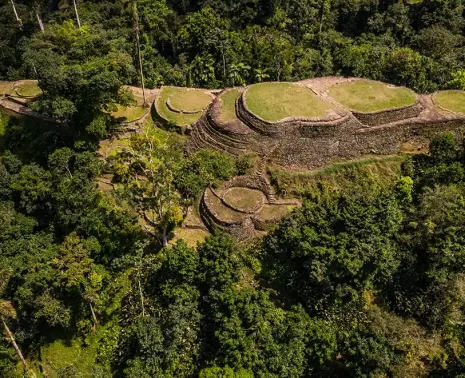
The Lost City Colombia and the Meaning of Reaching It
Some destinations are defined by what they are. Others by what it takes to reach them. The Lost City Col...
Read Post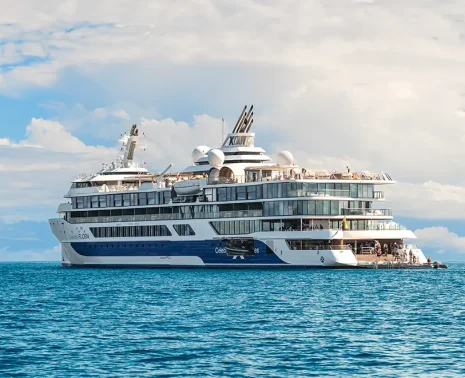
Best Galápagos Cruises: Choosing the Right Way to Experience the Islands
The phrase “best Galápagos cruises” suggests comparison. Ships, cabins, amenities, itineraries. It invite...
Read Post
Designing an Ecuador Itinerary with Intention: How to Experience the Country Beyond the Obvious
An Ecuador itinerary is often approached as a checklist. A few days in Quito, a quick passage through the Ande...
Read Post
8 DAYS
Luxury Machu Picchu Tours: Unveiling Peru’s Timeless Wonders
Cusco, Lima, Machu Picchu, Sacred Valley

8 DAYS
Peru Family Vacation: Journey to Machu Picchu and Beyond
Cusco, Lima, Machu Picchu, Sacred Valley

11 DAYS
Amazon River Cruise: A Luxury Journey Through the Amazon
Lima, Cusco, Sacred Valley, Machu Picchu, Iquitos, Amazon River