August 03, 2026 | by: Kuoda Authors


Bolivia feels elemental.
The country’s landscapes are not softened or heavily mediated by tourism infrastructure in the way many destinations are. Altitude sharpens light and atmosphere. Silence stretches across enormous distances. Nature often feels less like scenery surrounding the journey and more like the force shaping the experience entirely.
This is what makes Bolivia nature travel so powerful.
Travelers do not move through Bolivia casually. The landscapes alter rhythm immediately. Days unfold differently at altitude. Weather and exposure become emotionally present. Travelers begin noticing stillness, distance, and environmental contrast with unusual intensity.
The strongest journeys are rarely about activity volume alone. They are about immersion within landscapes that still feel vast enough to reshape perception itself.
Bolivia Is Defined by Environmental Extremes
One of the most remarkable aspects of Bolivia is how dramatically the country shifts between ecosystems and natural environments.
The Uyuni Salt Flats create one of the most visually open landscapes on Earth. Lake Titicaca softens the experience through water, islands, and slower rhythm. High-altitude deserts introduce volcanic terrain, geothermal activity, and enormous skies that feel almost abstract in scale. Mountain valleys and remote Andean regions reveal entirely different forms of stillness and environmental texture.
These contrasts feel unusually raw.
Bolivia nature travel succeeds because the country still allows travelers to experience environmental vastness without constant interruption. The landscapes remain emotionally intact. Travelers are not simply observing nature. They are moving through ecosystems that still dictate pace and atmosphere on their own terms.
This changes the emotional structure of travel completely.
Uyuni and the Emotional Effect of Open Space
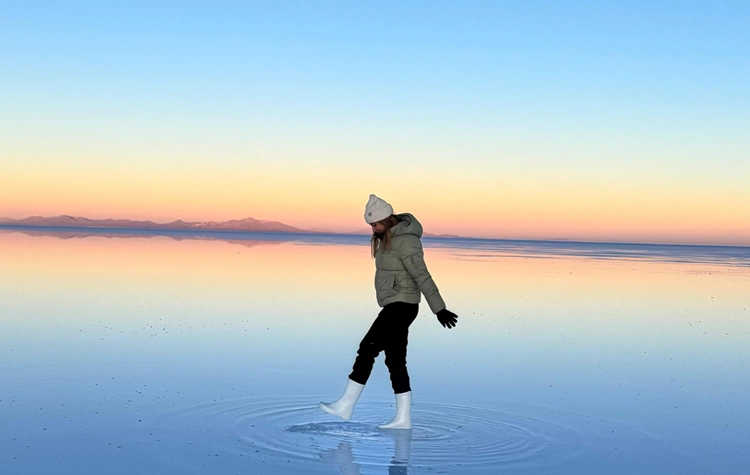
The Uyuni Salt Flats remain one of South America’s most extraordinary natural environments.
At first, travelers respond visually. The scale feels almost impossible to interpret. Horizons dissolve into sky. During reflective seasons, water transforms the flats into enormous mirrors where orientation itself becomes uncertain.
But over time, the emotional effect deepens beyond appearance.
The absence of visual clutter changes attention naturally. Travelers stop focusing on stimulation and begin noticing subtler environmental details instead: light movement, silence, cloud formation, changing textures across the flats.
This stillness becomes part of the experience.
Bolivia nature travel often creates this shift repeatedly. The country encourages observation rather than urgency. Travelers who slow down enough within Uyuni usually leave remembering not only the visual spectacle, but the unusual emotional quiet the landscape created around them.
Lake Titicaca and Slower Environmental Rhythm
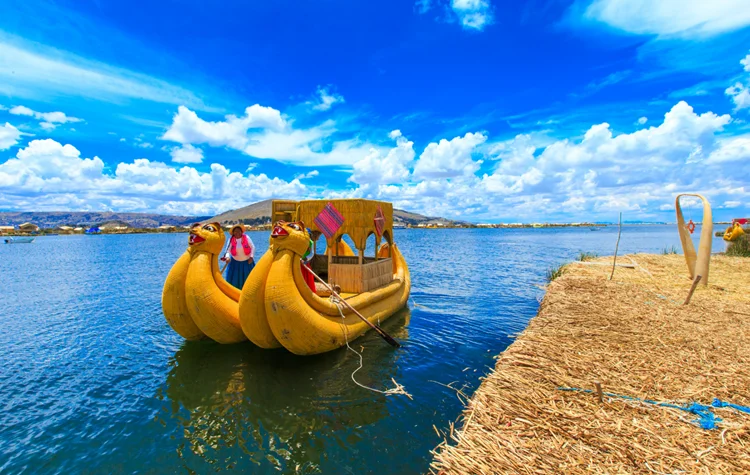
Lake Titicaca introduces another entirely different relationship with nature.
After the openness of the salt flats or the intensity of La Paz, the lake feels calmer and more grounded. Water changes movement naturally. Island communities preserve slower rhythms tied closely to geography and environment rather than urban acceleration.
Travelers often notice how differently time feels here.
Nature is not dramatic in the same way Patagonia or the salt flats can be. Instead, the emotional atmosphere emerges gradually through stillness, altitude, changing light, and the continuity between landscape and local life surrounding the lake itself.
This softer environmental rhythm becomes one of Bolivia’s greatest strengths.
The strongest journeys understand that Bolivia nature travel is not always about dramatic scenery. Sometimes it is about allowing travelers enough stillness to experience the emotional texture of remote environments fully.
High-Altitude Landscapes and Perception
Altitude changes how travelers experience nature in Bolivia.
The air feels thinner. Light becomes sharper. Distances appear larger and quieter. Travelers often become more physically aware of movement and pace simply because the environment itself demands greater attentiveness.
This physical awareness deepens immersion.
Bolivia’s high-altitude ecosystems feel emotionally distinct because travelers cannot remain entirely detached from the environment surrounding them. Nature shapes the experience continuously: through weather, energy levels, silence, and the openness of the landscape itself.
This is one reason Bolivia nature travel often feels more immersive than highly developed destinations elsewhere.
The country still allows landscapes to remain dominant.
Nature and the Meaning of Luxury in Bolivia
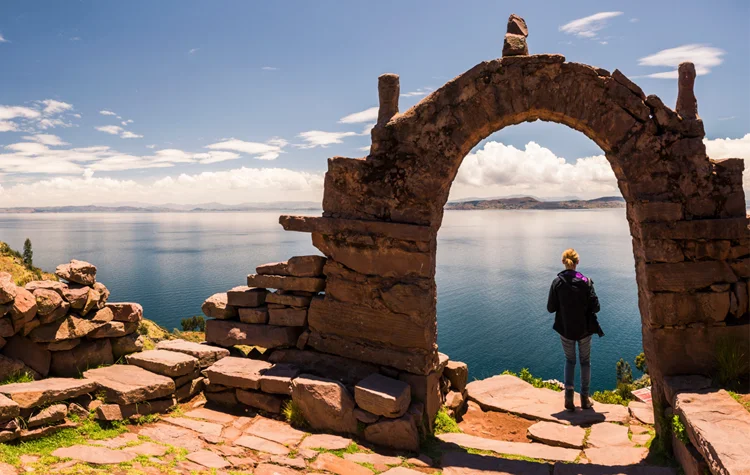
Luxury in Bolivia operates differently than in many destinations.
The country’s strongest experiences are rarely built around excess or performance. Instead, refinement emerges through thoughtful pacing, seamless logistics across remote regions, and the ability to experience extraordinary natural environments calmly and comfortably.
This balance matters enormously because Bolivia’s landscapes can feel emotionally expansive and physically demanding at times.
The strongest lodges and journeys create calm within exposure: warmth after long high-altitude days, stillness after movement across remote terrain, and enough comfort for travelers to remain emotionally open to the environment itself rather than overwhelmed by logistics or fatigue.
Luxury becomes invisible support for immersion rather than distraction from it.
Why Slower Travel Matters in Bolivia
Bolivia responds poorly to rushed itineraries.
The emotional and physical intensity of the landscapes requires slower sequencing than many travelers initially anticipate. Too much movement weakens immersion. Too many transitions create fatigue rather than connection.
The strongest Bolivia nature travel experiences leave enough room for:
- acclimatization
- environmental stillness
- quieter observation
- longer stays in remote regions
- emotional continuity between landscapes
Travelers begin adapting to the pace of the country rather than forcing the country into faster travel structures.
This shift changes the entire experience.
Local Expertise and the Invisible Structure of the Journey
Bolivia’s landscapes may feel wild and open, but the strongest journeys are shaped through careful operational design behind the scenes.
Altitude management, pacing, lodge positioning, weather awareness, and environmental sequencing all influence how travelers ultimately experience the country emotionally and physically.
From our base in South America, we regularly see how dramatically Bolivia changes when itineraries are built around how the landscapes actually feel rather than simply around famous destinations alone.
Sometimes the difference comes through additional stillness. Other times it involves balancing remote exposure with softer transitions around Lake Titicaca or La Paz.
The strongest journeys feel composed rather than exhausting.
Sustainability and Respect for Fragile Ecosystems
Bolivia’s natural environments remain both extraordinary and fragile.
The salt flats, high-altitude deserts, mountain ecosystems, and lake regions all require thoughtful tourism practices to preserve their environmental and cultural integrity. Smaller-scale experiences, slower travel, and stronger local partnerships naturally create more meaningful exploration patterns.
Travelers often connect more deeply to Bolivia when the journey emphasizes attentiveness rather than consumption.
The country rewards restraint beautifully.
FAQs
What is Bolivia nature travel?
Bolivia nature travel focuses on immersive exploration of the country’s extraordinary natural environments, including the Uyuni Salt Flats, Lake Titicaca, high-altitude deserts, and Andean ecosystems.
Why is Bolivia good for nature travel?
Bolivia offers vast open landscapes, extraordinary altitude, low tourism density, and remote ecosystems that create deeply immersive environmental experiences.
How should Bolivia nature travel be paced?
The strongest journeys involve slower pacing, thoughtful acclimatization, fewer transitions, and enough time for travelers to absorb the emotional rhythm of the landscapes.
Is Bolivia suitable for luxury nature travel?
Yes. Bolivia offers highly refined nature experiences rooted in environmental immersion, remote lodges, thoughtful pacing, and seamless travel through extraordinary landscapes.
Where Nature Begins to Feel Immense
Bolivia nature travel often becomes memorable because the landscapes gradually alter travelers’ relationship with silence, movement, and perception itself. Over time, altitude sharpens awareness, open horizons soften urgency, and environmental stillness becomes emotionally present rather than empty. The salt flats dissolve familiar boundaries, Lake Titicaca slows rhythm through water and light, and remote Andean ecosystems remind travelers how powerful nature feels when it remains largely uninterrupted. Bolivia reveals itself most fully when travelers allow the landscapes to determine the pace of the journey instead of trying to move quickly through them.
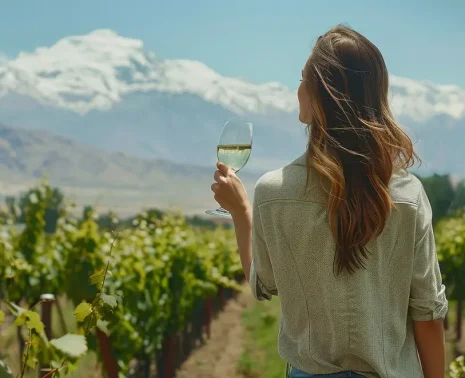
Things to Do in Mendoza Argentina: Experiencing the Region Through Pace, Landscape, and Wine Culture
The question of things to do in Mendoza Argentina often leads to a familiar answer. Wine tastings, vineyard...
Read Post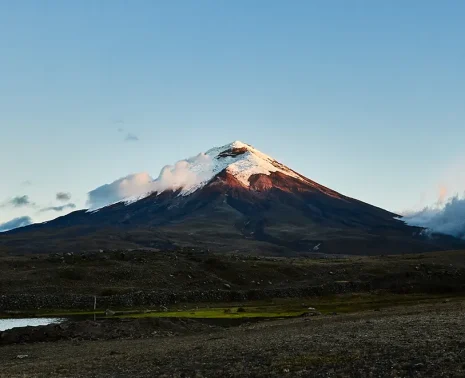
Best Time to Visit Ecuador: Choosing When Based on How You Want to Experience It
The question of the best time to visit Ecuador is often answered with a calendar. Dry season. Rainy season....
Read Post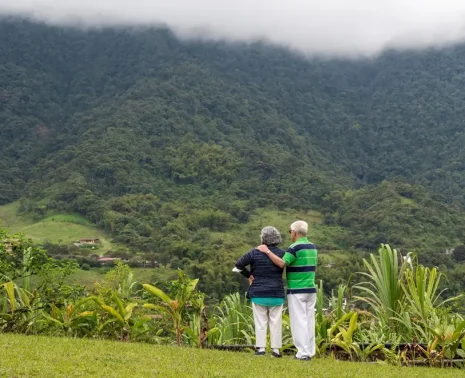
Peru Tours for Seniors and the Value of Experiencing the Country Thoughtfully
Peru is often perceived as a destination built primarily around adventure. Travelers imagine trekking route...
Read Post
8 DAYS
Luxury Machu Picchu Tours: Unveiling Peru’s Timeless Wonders
Cusco, Lima, Machu Picchu, Sacred Valley

8 DAYS
Peru Family Vacation: Journey to Machu Picchu and Beyond
Cusco, Lima, Machu Picchu, Sacred Valley

11 DAYS
Amazon River Cruise: A Luxury Journey Through the Amazon
Lima, Cusco, Sacred Valley, Machu Picchu, Iquitos, Amazon River