June 21, 2026 | by: Kuoda Authors


Few countries change as quickly as Ecuador.
Within relatively short distances, travelers move between cloud forest, high-altitude Andes, Pacific coastline, and rainforest ecosystems that feel entirely disconnected from one another geographically and emotionally. The scale is not overwhelming in the way South America often can be elsewhere. What becomes remarkable instead is the density of environmental transition.
This is what makes Ecuador biodiversity travel so compelling when approached thoughtfully.
The country is not experienced best through coverage alone. Ecuador rewards travelers who understand that biodiversity here is not simply about the number of species or ecosystems present. It is about how dramatically environments shift over short distances, and how those shifts shape culture, pacing, food, architecture, and daily life throughout the journey.
Travelers often arrive expecting nature. They leave recognizing interconnected systems.
Ecuador’s Biodiversity Is Experienced Through Movement
One of the most distinctive aspects of Ecuador is that biodiversity reveals itself progressively through transition.
The Andes regulate climate and altitude. Cloud forests emerge suddenly along descending mountain roads. The Amazon basin changes sound, humidity, and rhythm entirely. The Galápagos operate through isolation and ecological adaptation unlike anywhere else in South America.
These environments do not feel like variations of the same landscape. They feel structurally different.
This is why Ecuador biodiversity travel depends heavily on sequencing and pacing. Travelers moving too quickly between ecosystems often experience contrast only visually. Travelers moving thoughtfully begin understanding how geography shapes the country itself.
The strongest journeys allow travelers to feel these environmental shifts physically and emotionally: the air thinning in the Andes, moisture increasing toward cloud forest regions, sound changing in the Amazon, light behaving differently across volcanic landscapes and coastal environments.
The country teaches travelers through movement.
The Andes as the Structural Center of Ecuador
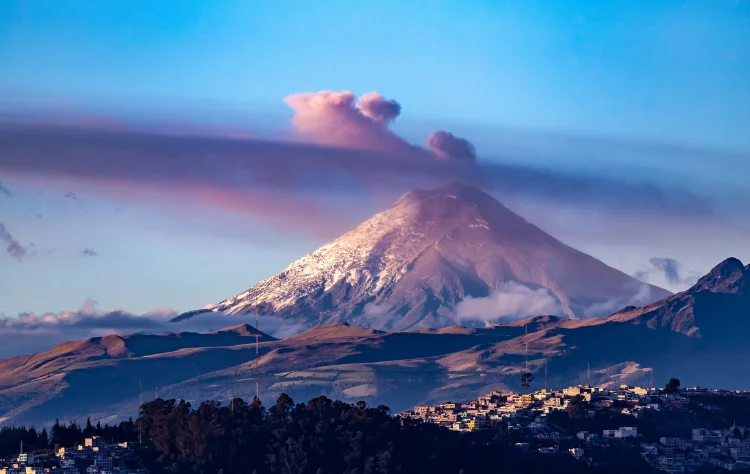
Although Ecuador is often celebrated for the Galápagos or Amazon, the Andes quietly shape the logic of the entire country.
Mountain geography influences weather systems, agriculture, migration, architecture, and regional identity across Ecuador. Even biodiversity itself becomes more understandable once travelers begin recognizing how altitude creates entirely different environmental zones within short geographic distances.
This is one reason Quito matters more than many travelers initially expect.
The city introduces Ecuador through elevation and contrast. Colonial architecture exists within dramatic mountain geography. Local markets reflect ingredients sourced across multiple ecological regions. Travelers begin adjusting not only to altitude, but to the country’s broader environmental rhythm.
Thoughtful Ecuador biodiversity travel often begins here because the Andes create context for everything that follows.
Without this gradual introduction, travelers risk experiencing Ecuador’s ecosystems as disconnected highlights rather than as parts of a larger environmental continuum.
Cloud Forests and the Luxury of Slowing Down
Cloud forest regions often become the emotional turning point of Ecuador journeys.
The transition into these environments feels immediate. Light softens. Humidity changes perception. Sound becomes more layered and continuous. Travelers begin noticing how much biodiversity depends not on spectacle, but on attentiveness.
This is where pacing becomes essential.
Cloud forests rarely reward aggressive sightseeing. The experience unfolds through patience: watching movement in dense vegetation, adjusting to changing weather patterns, observing how ecosystems operate vertically as much as horizontally.
Travelers who rush through cloud forest regions often leave remembering scenery. Travelers who slow down begin understanding atmosphere.
This distinction matters enormously.
The strongest Ecuador biodiversity travel experiences create enough stillness for travelers to notice smaller forms of ecological complexity rather than chasing constant stimulation. A morning walk through mist-covered forest, extended time with naturalist guides, or simply remaining long enough in one environment for perception to adjust often becomes more meaningful than adding additional destinations.
The Amazon and Environmental Immersion
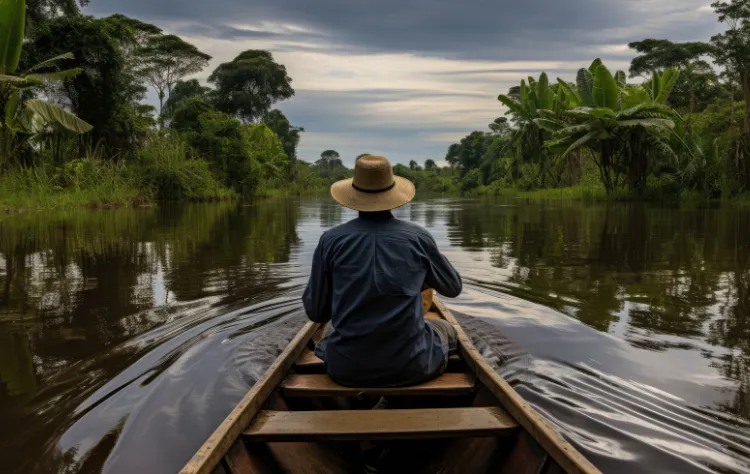
The Ecuadorian Amazon introduces another entirely different relationship with biodiversity.
Unlike the Andes, where environmental contrast often feels visually dramatic, the Amazon works through accumulation. Layers of sound, humidity, vegetation, and movement gradually reshape how travelers experience the environment itself.
The rainforest changes attention.
Travelers begin noticing smaller details: insects interacting with plant systems, changing river conditions, subtle shifts in wildlife activity depending on weather or time of day. Biodiversity here feels less like observation and more like immersion within a living system operating continuously around the traveler.
This is where local expertise becomes indispensable.
The Amazon reveals very little quickly. Strong naturalist interpretation changes the experience profoundly because much of the rainforest’s complexity is contextual rather than immediately visible. Travelers moving through the Amazon with thoughtful local guidance often experience the region with greater calm and curiosity rather than sensory overload.
From our base in South America, we regularly see how much environmental immersion improves when the journey is paced carefully enough for travelers to adjust gradually to each ecosystem rather than moving through them rapidly.
The Galápagos and a Different Relationship With Nature
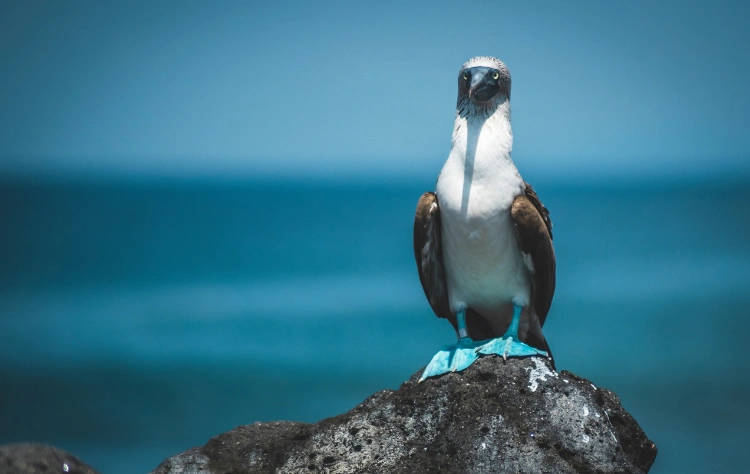
The Galápagos Islands alter the logic of biodiversity travel entirely.
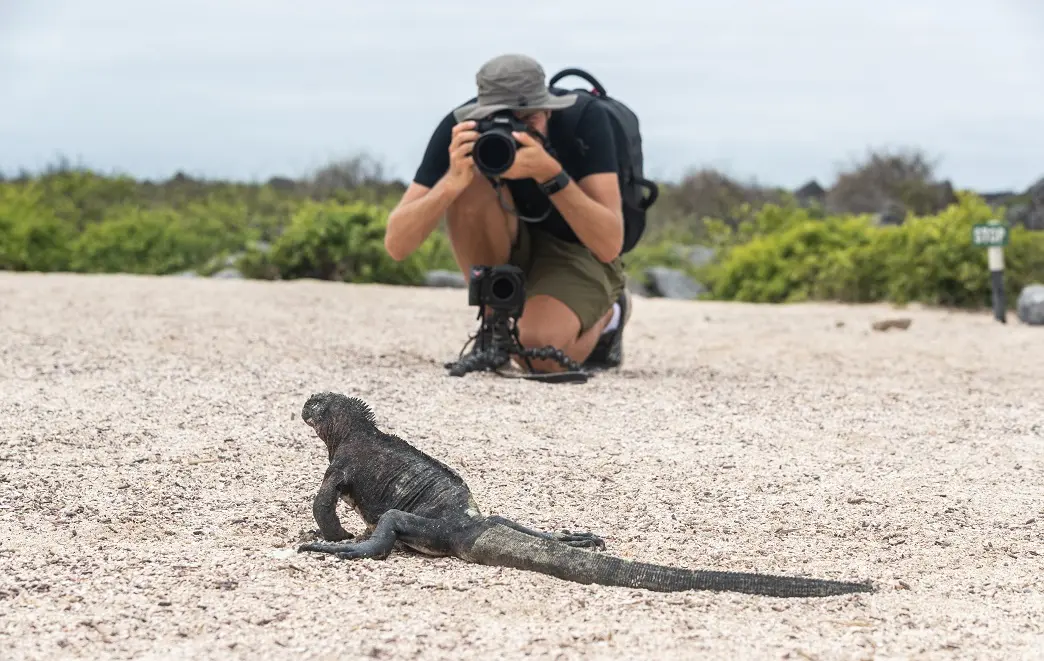
Unlike mainland Ecuador, where ecosystems connect through transition, the Galápagos feel shaped by isolation. Wildlife behavior changes because species evolved without many of the external pressures present elsewhere. Travelers often describe the islands not as dramatic, but as unusually intimate.
Animals do not perform distance in the same way.
This creates a quieter, more observational form of travel where the experience depends heavily on pacing and interpretation rather than volume of activity. Travelers who approach the Galápagos as a checklist destination often miss much of what makes the islands meaningful.
The strongest Ecuador biodiversity travel experiences understand how to sequence the Galápagos carefully within the broader journey. After the Andes or Amazon, the islands often feel emotionally clarifying: simpler, quieter, more exposed.
The contrast sharpens perception.
Why Biodiversity Travel Requires Restraint
One of the misconceptions surrounding biodiversity-focused travel is that more ecosystems automatically create a stronger journey.
In reality, Ecuador often responds better to editing than expansion.
Travelers attempting to combine every major region too aggressively frequently spend much of the trip transitioning rather than absorbing the environments themselves. Ecological diversity becomes exhausting rather than illuminating when movement overwhelms continuity.
The strongest journeys prioritize depth of experience over environmental quantity.
Sometimes removing a destination creates more understanding than adding another ecosystem simply for coverage. Ecuador’s biodiversity becomes meaningful when travelers have enough time to settle into the rhythm of each environment before moving onward.
Sustainability and Environmental Responsibility
Biodiversity travel in Ecuador naturally raises questions about preservation.
The country contains some of the most environmentally sensitive regions in South America, particularly within the Galápagos and Amazon. Tourism affects ecosystems directly, making thoughtful travel design essential not only ethically, but experientially.
Travelers often experience Ecuador more meaningfully when journeys emphasize:
- slower pacing
- smaller-scale lodges
- stronger naturalist interpretation
- local conservation partnerships
- reduced unnecessary movement
Responsible travel improves environmental immersion because it encourages travelers to observe ecosystems more attentively rather than consume them rapidly.
The strongest biodiversity experiences feel grounded in respect rather than extraction.
FAQs
What is Ecuador biodiversity travel?
Ecuador biodiversity travel focuses on experiencing the country’s extraordinary ecological diversity through thoughtful exploration of the Andes, cloud forests, Amazon, Galápagos, and coastal regions.
Why is Ecuador considered one of the world’s most biodiverse countries?
Ecuador’s dramatic altitude variation, geographic positioning, and ecological concentration create extraordinary environmental diversity within relatively small distances.
How should Ecuador biodiversity travel be paced?
The strongest journeys move gradually between ecosystems, allowing travelers enough time to adapt physically and emotionally to environmental changes rather than rushing between regions.
Which regions are best for Ecuador biodiversity travel?
Many travelers combine the Andes, cloud forests, Amazon, and Galápagos, though thoughtful sequencing matters significantly in how these environments are experienced together.
Where Nature Begins to Feel Connected
Ecuador biodiversity travel often changes travelers through contrast rather than spectacle alone. Over time, ecosystems stop feeling isolated from one another and begin revealing the environmental logic connecting the country itself. The Andes shape weather and agriculture. Cloud forests regulate transition. The Amazon alters sensory awareness entirely. The Galápagos reveal what isolation can create over time. Ecuador leaves a lasting impression because biodiversity here is not experienced as a collection of attractions, but as a continuous relationship between geography, movement, and life adapting constantly to changing environments.
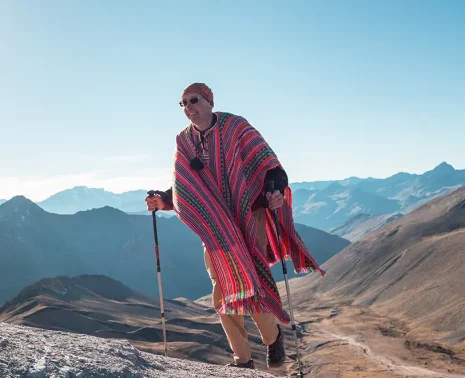
Best Time to Visit Peru: When to Go by Region & Experience
Planning a journey to Peru is an exciting step toward exploring a land of extraordinary diversity, from the so...
Read Post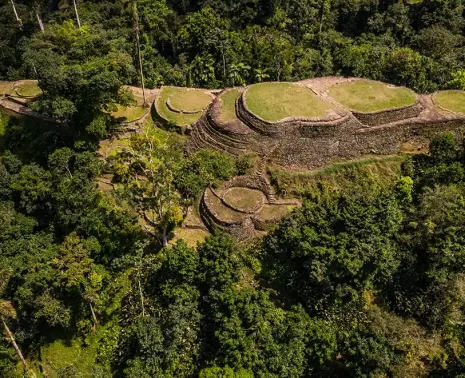
The Lost City Colombia and the Meaning of Reaching It
Some destinations are defined by what they are. Others by what it takes to reach them. The Lost City Col...
Read Post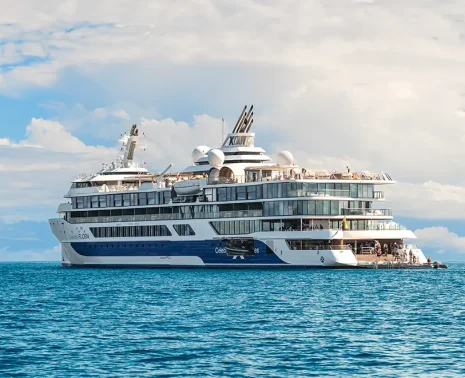
Best Galápagos Cruises: Choosing the Right Way to Experience the Islands
The phrase “best Galápagos cruises” suggests comparison. Ships, cabins, amenities, itineraries. It invite...
Read Post
8 DAYS
Luxury Machu Picchu Tours: Unveiling Peru’s Timeless Wonders
Cusco, Lima, Machu Picchu, Sacred Valley

8 DAYS
Peru Family Vacation: Journey to Machu Picchu and Beyond
Cusco, Lima, Machu Picchu, Sacred Valley

11 DAYS
Amazon River Cruise: A Luxury Journey Through the Amazon
Lima, Cusco, Sacred Valley, Machu Picchu, Iquitos, Amazon River