May 03, 2026 | by: Kuoda Authors


Introduction
There are different ways to arrive at Machu Picchu.
Some approach it by rail, following the river through the Sacred Valley. Others choose to walk. The decision is less about distance and more about intention.
For travelers considering a luxury Inca Trail, the question is not whether the trek is challenging. It is how to experience it in a way that preserves both its physical reality and its cultural significance, without unnecessary strain.
The Inca Trail is not simply a route. It is an architectural and ceremonial pathway, connecting a sequence of sites that reveal how the Inca moved through the Andes.
Walking it thoughtfully changes the nature of the arrival.
Luxury Inca Trail as a Measured Experience
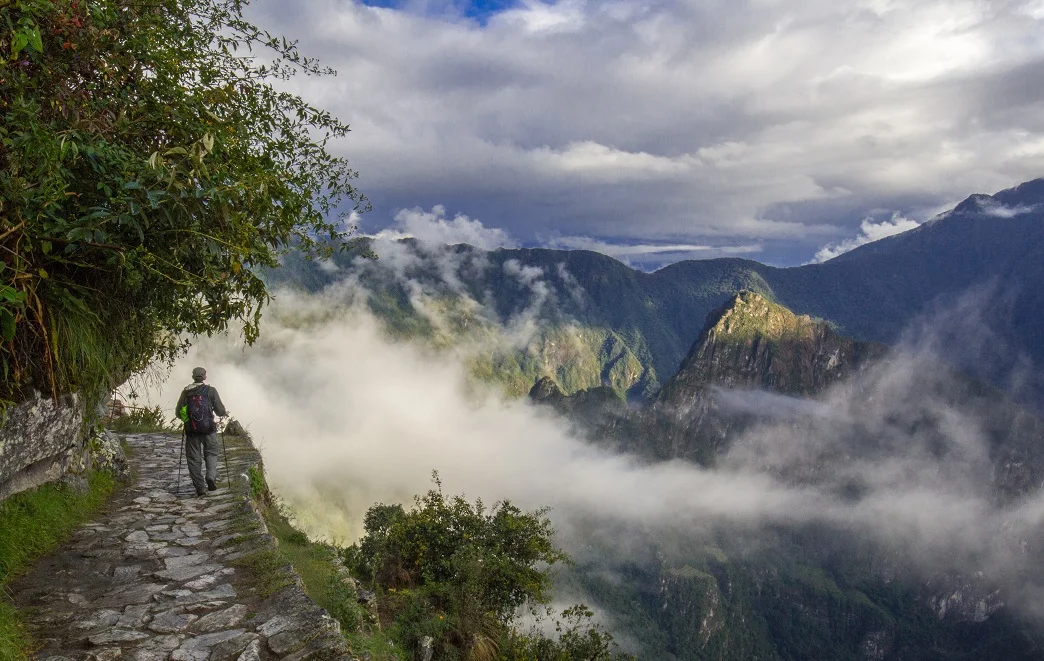
The Inca Trail stretches approximately 42 kilometers through high-altitude Andean terrain, crossing mountain passes, cloud forests, and archaeological sites along the way.
Standard group treks often emphasize completion. A luxury Inca Trail approach redefines the experience through pacing.
Private guiding allows for flexibility. Days are structured around individual rhythm rather than group timing. Time is given to each site rather than moving quickly between them.
Support teams manage logistics quietly. Equipment, meals, and camp setup are handled seamlessly, allowing travelers to focus on the path itself.
Luxury, here, is not ease alone. It is the removal of unnecessary friction.
The Path as Cultural Corridor
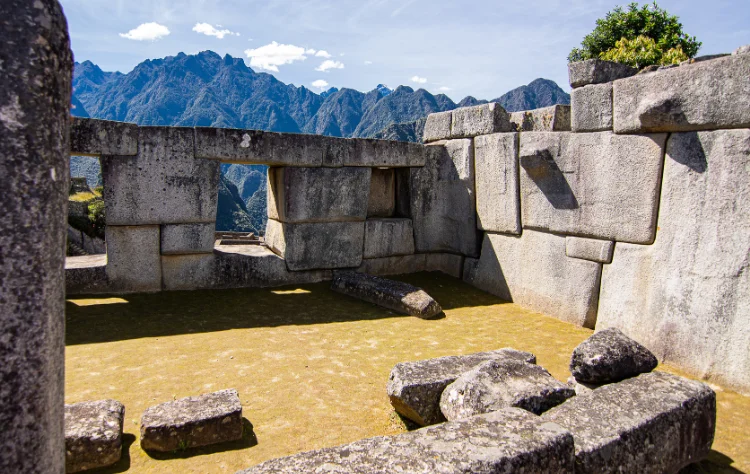
The Inca Trail is lined with archaeological sites that are often overlooked when approached hurriedly.
Among them is Wiñay Wayna, a terraced complex set along a steep mountainside, where water channels and agricultural structures reveal Inca engineering at a refined scale.
Further along, smaller ceremonial sites and lookout points create moments of pause. Each location contributes to an understanding of how the trail functioned within a broader network connecting Cusco to Machu Picchu.
Walking the trail with an experienced guide transforms these stops into narrative rather than interruption.
The path becomes a sequence of meaning.
Altitude, Effort, and Adaptation
The Inca Trail crosses elevations exceeding 4,000 meters, particularly at Warmiwañusca, often referred to as Dead Woman’s Pass.
Altitude affects each traveler differently. A well-designed luxury Inca Trail itinerary accounts for this.
Time spent in the Sacred Valley prior to the trek allows for gradual acclimatization. The trek itself is paced carefully, with rest intervals and hydration integrated into each day.
Support teams provide assistance where needed, but the experience remains authentic. The physical effort is part of the journey.
What changes is how that effort is managed.
Camp Experience and Comfort
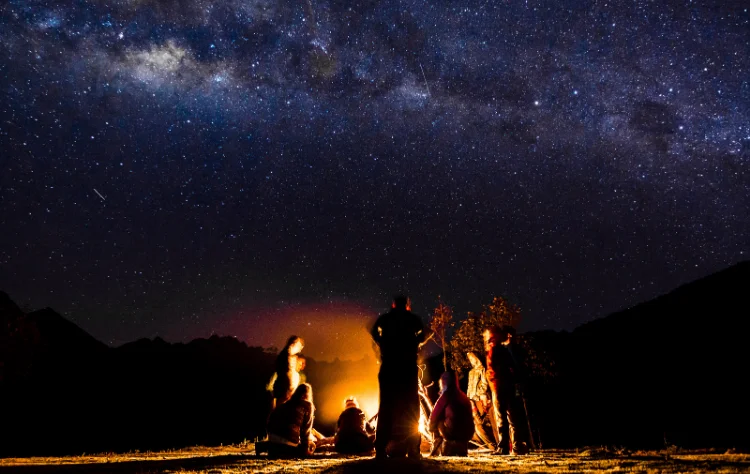
Evening camps along the Inca Trail provide a transition from movement to rest.
In a luxury Inca Trail setting, camps are designed with attention to comfort. Spacious tents, proper bedding, and thoughtfully prepared meals create an environment that supports recovery.
Dining becomes a moment of reflection rather than necessity. Fresh ingredients are prepared on-site, often incorporating regional flavors.
The surrounding landscape remains present. Mountains frame the camp. The sound of wind moves through the valley.
Comfort enhances the experience without altering its nature.
Arrival at Machu Picchu
The final approach to Machu Picchu follows the trail through Inti Punku, the Sun Gate.
Reaching this point after several days of walking changes the perception of the site. The citadel appears gradually, framed by mountains and morning light.
Descending into Machu Picchu with a private guide allows for immediate context. The architectural complexity, agricultural terraces, and sacred geography become part of a continuous narrative rather than a separate visit.
The journey concludes where the path was always intended to lead.
Integrating the Trek Into a Broader Peru Journey
A luxury Inca Trail experience is rarely isolated within an itinerary.
Travelers typically begin in Lima before continuing to the Sacred Valley and Cusco. After the trek, additional time in the Andes or extensions to Lake Titicaca or the Amazon provide contrast.
Kuoda designs these itineraries to ensure continuity. Acclimatization is built into the schedule. Transitions between regions remain seamless.
The trek becomes one element within a broader exploration of Peru.
Sustainability and Preservation
The Inca Trail is a protected historical and environmental corridor.
Access is limited through a permit system designed to preserve both the archaeological sites and the surrounding ecosystem. Responsible travel practices are essential to maintaining its integrity.
Kuoda works with experienced teams who adhere to conservation guidelines, minimize environmental impact, and respect the cultural significance of the trail.
Through the Kaypi Kunan Foundation, Kuoda supports broader initiatives across Peru that reinforce education and community development.
Recognition as a Tripadvisor Travelers’ Choice 2025 winner reflects continued trust among travelers who value thoughtful travel design.
Frequently Asked Questions About the Luxury Inca Trail
Is the luxury Inca Trail less physically demanding?
The physical challenge remains, but pacing, support, and preparation make the experience more manageable.
How many days does the trek take?
The classic route typically takes four days, though variations exist depending on preference.
Do I need prior trekking experience?
Not necessarily, though a reasonable level of fitness and preparation is recommended.
Can the Inca Trail be replaced with a train journey?
Yes. Some travelers choose rail access to Machu Picchu, though the trekking experience offers a different perspective.
The Meaning of Arrival
Machu Picchu is often described as a destination.
Walking the Inca Trail reframes it as a culmination.
Each step, each ascent, each pause along the path contributes to the experience of arrival. The landscape is not passed through. It is engaged with.
A luxury Inca Trail does not remove this reality. It refines it.
And in that refinement, the journey becomes something more complete.

Patagonia Trekking and the Discipline of Moving Through Open Space
Patagonia does not reveal itself quickly. It exists at a scale that resists compression. Distances are wide...
Read Post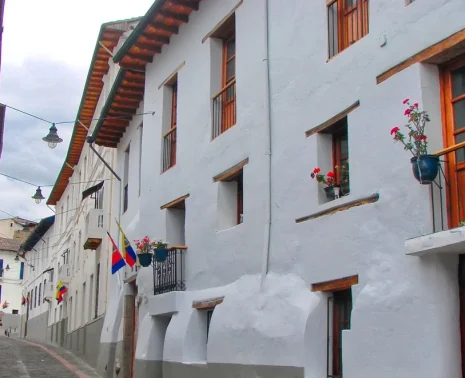
Ecuador Private Travel and the Value of Experiencing Contrast Thoughtfully
Ecuador is one of South America’s most concentrated countries emotionally and geographically. Within rela...
Read Post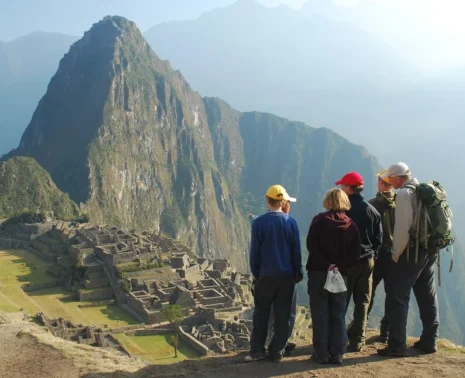
Best Peru Family Itineraries and the Importance of Traveling at the Right Rhythm Together
Peru is one of the rare destinations that genuinely works across generations. Children experience the count...
Read Post
8 DAYS
Luxury Machu Picchu Tours: Unveiling Peru’s Timeless Wonders
Cusco, Lima, Machu Picchu, Sacred Valley

8 DAYS
Peru Family Vacation: Journey to Machu Picchu and Beyond
Cusco, Lima, Machu Picchu, Sacred Valley

11 DAYS
Amazon River Cruise: A Luxury Journey Through the Amazon
Lima, Cusco, Sacred Valley, Machu Picchu, Iquitos, Amazon River