April 26, 2026 | by: Kuoda Authors


Introduction
Traveling through Peru as a family shifts the lens of the journey.
What might otherwise be approached through history or geography alone becomes something more layered. Landscapes are experienced together. Stories are shared across generations. Moments that might pass quietly for one traveler take on new meaning when observed collectively.
For those planning a family trip to Peru, the question is not whether the country offers enough variety. It is how to shape that variety into something cohesive. How to balance engagement with rest. How to create a journey that feels both enriching and manageable for everyone involved.
Peru offers this balance, when designed with care.
A Family Trip to Peru Begins With Rhythm
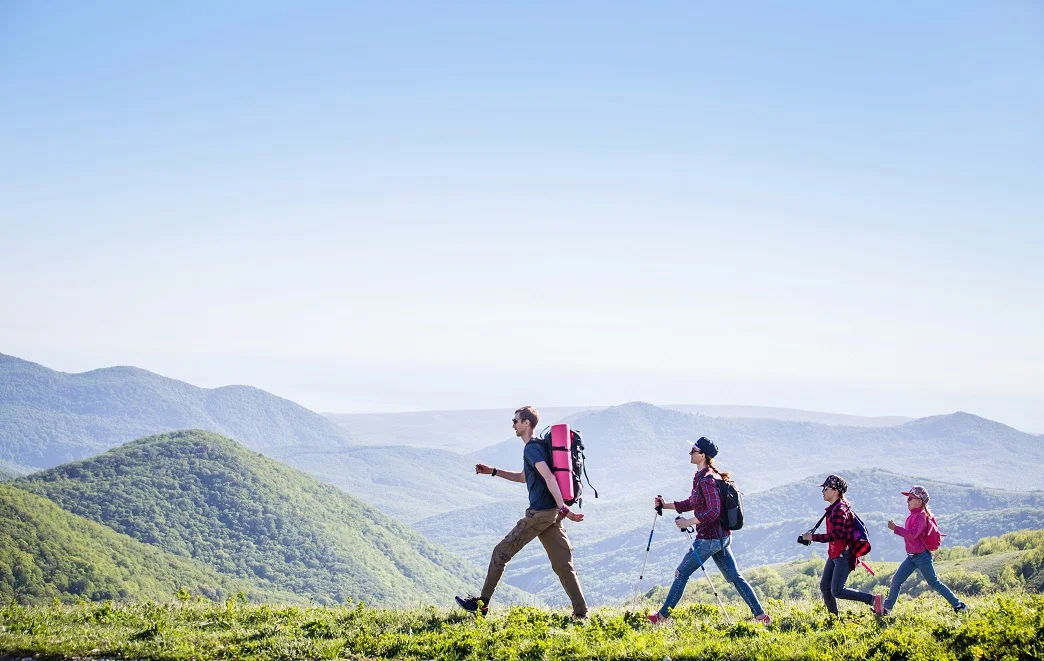
Peru’s geography invites movement, but family travel benefits from restraint.
A well-designed family trip to Peru does not attempt to cover every region. Instead, it focuses on a few key environments, allowing time for both exploration and pause.
The coast introduces cultural context. The Andes provide historical depth. Optional extensions, such as the Amazon, add ecological contrast.
Kuoda approaches family travel as a matter of rhythm. Travel days are spaced. Activities are adapted. Transitions remain smooth.
The experience feels lived rather than scheduled.
Lima: A Gentle Introduction
Most journeys begin in Lima.
The city offers a softer entry point into Peru. Coastal walks, open spaces, and a flexible culinary scene allow families to adjust after arrival.
Private city explorations are designed to engage without overwhelming. Markets, parks, and cultural districts introduce the country gradually.
Dining adapts easily to different preferences, with options ranging from traditional Peruvian dishes to contemporary cuisine.
Lima establishes the tone of the journey without requiring immediate intensity.
The Sacred Valley: Space and Engagement
The Sacred Valley provides one of the most effective environments for family travel in Peru.
Located at a lower altitude than Cusco, it allows for gradual acclimatization while offering open landscapes and a slower pace.
Visits to Moray and Maras Salt Mines introduce Inca agricultural systems in a way that feels tangible. Terraces, water channels, and working salt pools create visual and interactive experiences.
Outdoor activities, such as short hikes or cultural visits to weaving communities, allow children and adults to engage at their own level.
Boutique countryside lodges provide space, fresh air, and quiet evenings.
For many families, the Sacred Valley becomes the most balanced part of the journey.
Machu Picchu: A Shared Moment

Reaching Machu Picchu is often a defining moment within a family trip to Peru.
Travel by train through the valley offers a gradual transition, with changing landscapes that maintain interest without fatigue.
At the site itself, private guiding allows the experience to adapt to the group. Explanations remain accessible. Time is managed to avoid crowd concentration.
The scale of the citadel, combined with its setting among mountains, creates a shared sense of discovery.
The experience resonates differently for each traveler, yet remains collective.
Cusco: Culture and Continuity
Returning to Cusco introduces a different energy.
The city’s streets, built upon Inca foundations and shaped by colonial architecture, provide a layered environment for exploration.
Markets, plazas, and museums offer varied points of engagement. Families can move through the city at a flexible pace, balancing guided experiences with time at leisure.
Cusco connects the archaeological experience of Machu Picchu with everyday life in the Andes.
Optional Amazon Extension
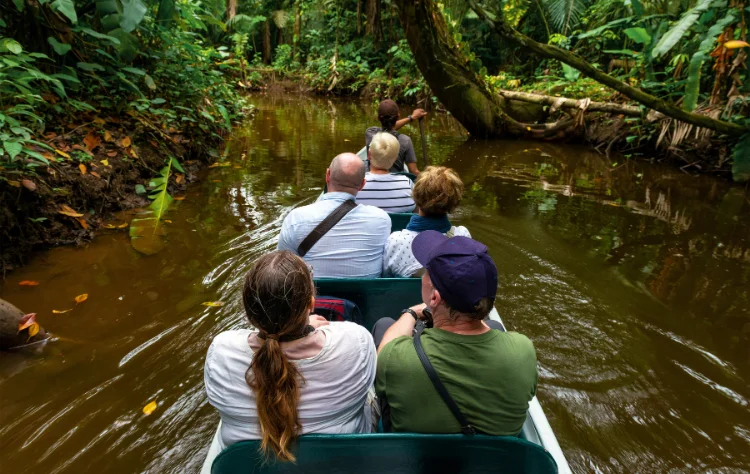
For families seeking additional contrast, the Amazon offers a different dimension.
From Puerto Maldonado or Iquitos, access to rainforest lodges introduces wildlife, river systems, and ecological diversity.
Guided walks, canoe excursions, and wildlife observation create opportunities for shared discovery.
The pace remains slower. The environment encourages attention.
For some families, this extension provides one of the most memorable elements of the journey.
Accommodation and Comfort
Where families stay significantly shapes the experience.
Kuoda prioritizes properties that offer both comfort and space. In the Sacred Valley, lodges provide gardens and open landscapes. In Cusco, boutique hotels offer central access with quiet interiors. In the Amazon, lodges balance immersion with privacy.
Rooms are selected to accommodate families comfortably, with layouts that allow for both togetherness and rest.
Service remains attentive without formality.
Accommodation supports the rhythm of the journey.
Seamless Logistics and Flexibility
Family travel requires flexibility.
Kuoda designs each family trip to Peru with this in mind. Private transfers reduce waiting and uncertainty. Guides adjust pacing based on the group’s energy. Schedules allow for adaptation.
The goal is to remove friction while preserving authenticity.
Travel feels continuous, even when plans shift.
Sustainability and Cultural Respect
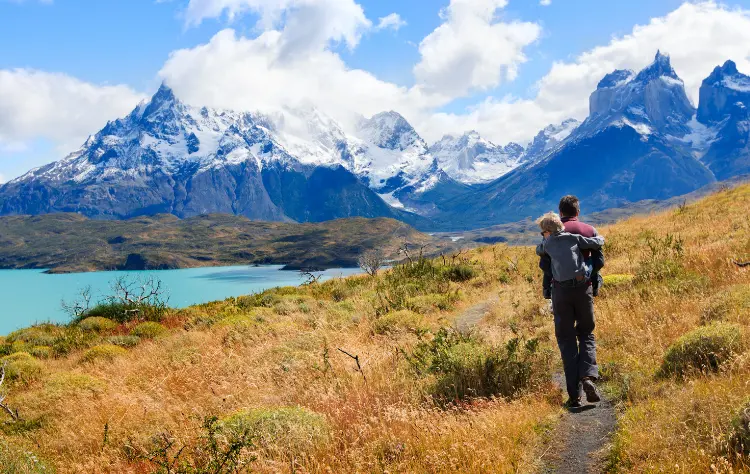
Traveling as a family introduces an opportunity to engage thoughtfully with local communities.
Visits to villages, markets, and cultural sites are arranged with respect for privacy and tradition. Experiences emphasize understanding rather than observation.
Kuoda collaborates with partners who prioritize sustainability and community engagement.
Through the Kaypi Kunan Foundation, Kuoda supports educational initiatives across Peru, reinforcing long-term impact.
Recognition as a Tripadvisor Travelers’ Choice 2025 winner reflects continued trust among travelers who value responsible and well-designed journeys.
Frequently Asked Questions About a Family Trip to Peru
Is Peru suitable for traveling with children?
Yes. With thoughtful pacing and appropriate accommodations, Peru offers a wide range of engaging experiences for families.
How many days are ideal for a family trip to Peru?
Ten to twelve days allows for exploration of Lima, the Sacred Valley, Machu Picchu, and Cusco without rushing.
Is altitude a concern for families?
Yes. Gradual acclimatization, particularly in the Sacred Valley, helps ensure comfort.
Can the Amazon be included in a family itinerary?
Yes. Many lodges offer family-friendly experiences with guided wildlife activities.
Traveling Together, With Intention
A family trip to Peru is not defined by the number of places visited.
It is shaped by shared moments. Conversations that unfold naturally. Experiences that remain with each traveler in different ways.
Peru offers the landscape. The history. The culture.
When designed thoughtfully, the journey allows these elements to come together with ease.
And in that ease, the experience becomes something lasting.

Patagonia Trekking and the Discipline of Moving Through Open Space
Patagonia does not reveal itself quickly. It exists at a scale that resists compression. Distances are wide...
Read Post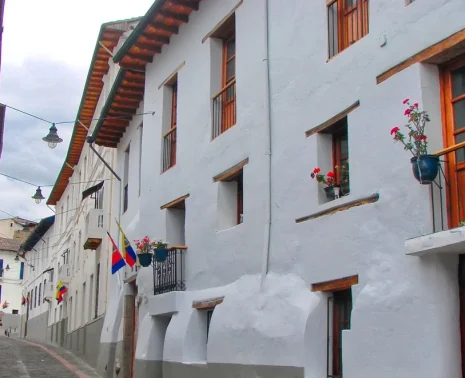
Ecuador Private Travel and the Value of Experiencing Contrast Thoughtfully
Ecuador is one of South America’s most concentrated countries emotionally and geographically. Within rela...
Read Post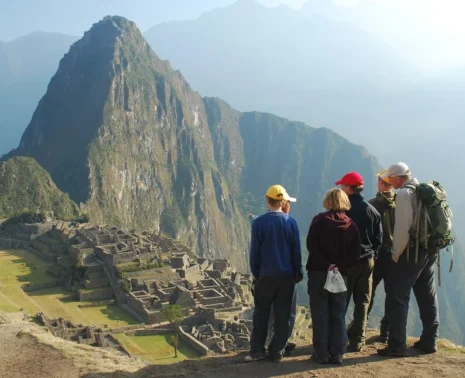
Best Peru Family Itineraries and the Importance of Traveling at the Right Rhythm Together
Peru is one of the rare destinations that genuinely works across generations. Children experience the count...
Read Post
8 DAYS
Luxury Machu Picchu Tours: Unveiling Peru’s Timeless Wonders
Cusco, Lima, Machu Picchu, Sacred Valley

8 DAYS
Peru Family Vacation: Journey to Machu Picchu and Beyond
Cusco, Lima, Machu Picchu, Sacred Valley

11 DAYS
Amazon River Cruise: A Luxury Journey Through the Amazon
Lima, Cusco, Sacred Valley, Machu Picchu, Iquitos, Amazon River