April 06, 2026 | by: Kuoda Authors


Wine regions often promise beauty. Mendoza delivers geography.
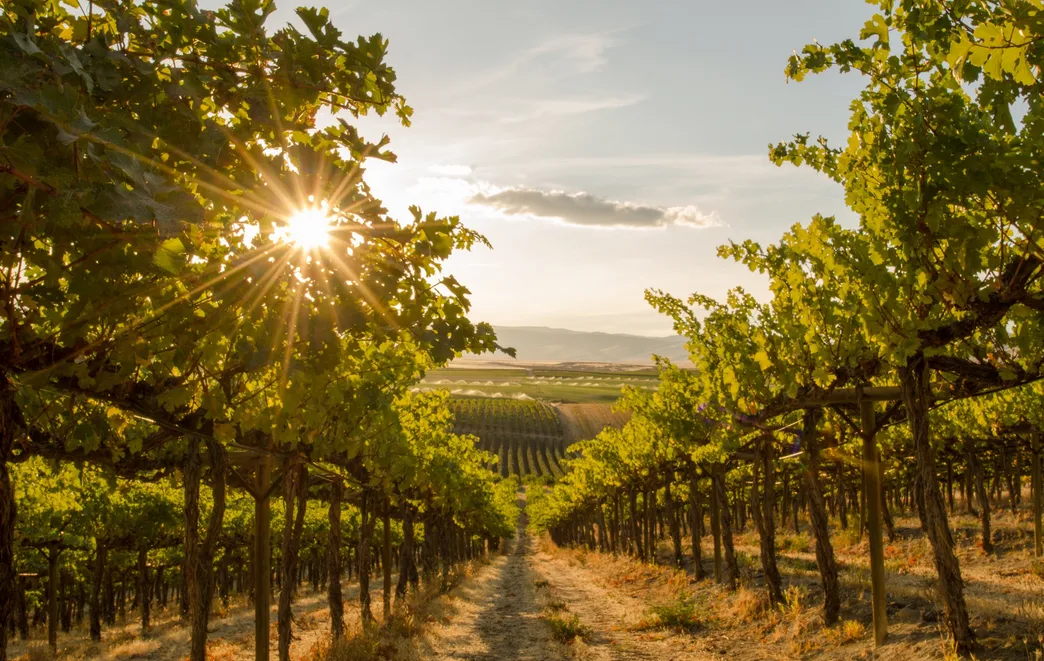
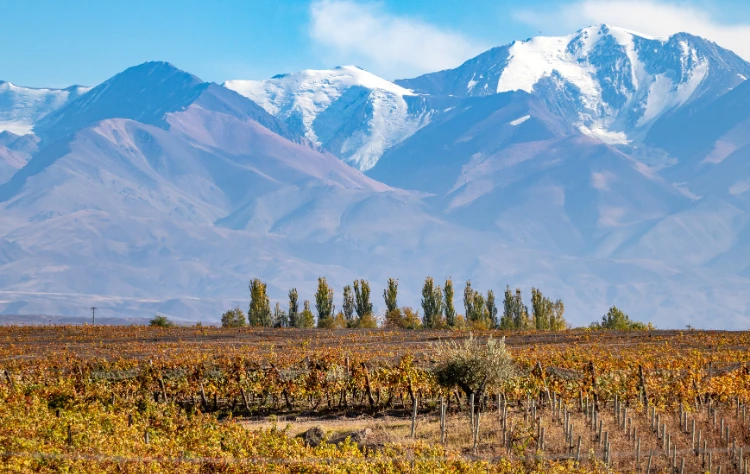
At the foothills of the Andes in western Argentina, vineyards stretch toward snow-capped peaks. Irrigation channels fed by glacial meltwater sustain rows of Malbec in an otherwise arid landscape. The air feels dry and luminous. The mountains remain constant on the horizon.
For travelers researching Mendoza vineyards, the question is not where to taste wine. It is how to experience this region with depth. How to move beyond crowded tasting rooms and into meaningful encounters with winemakers. How to balance vineyard visits with rest, gastronomy, and landscape.
Mendoza rewards those who slow down.
Mendoza Vineyards: Terroir at Altitude
The defining feature of Mendoza vineyards is elevation.
Many of the region’s most celebrated estates sit between 900 and 1,500 meters above sea level. The altitude moderates temperature and intensifies sunlight, contributing to the structure and complexity of the wines produced here.
The Uco Valley, in particular, has become synonymous with high-altitude viticulture. Framed by the Andes, its vineyards feel expansive yet precise.
Private tastings in this region often take place directly with estate representatives or winemakers. The conversation shifts from brand narrative to soil composition, harvest timing, and microclimates.
Wine becomes landscape translated into glass.
Beyond Malbec
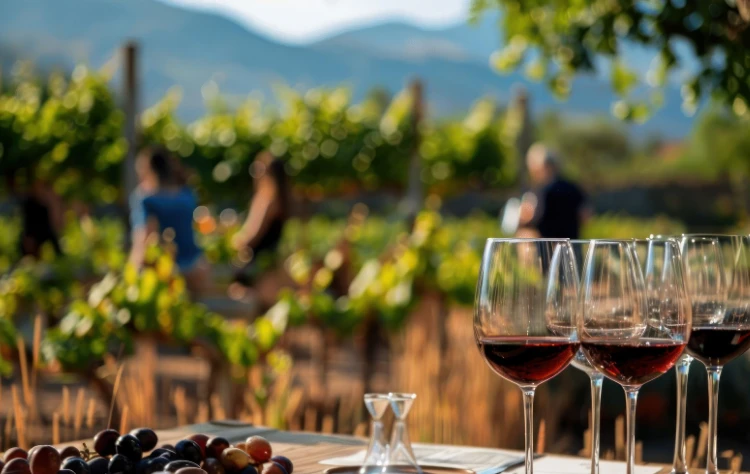
While Malbec remains Mendoza’s signature varietal, the region’s evolution extends further. Cabernet Franc, Bonarda, and high-altitude Chardonnay increasingly reflect experimentation and refinement.
Visiting Mendoza vineyards with a knowledgeable guide introduces subtle distinctions between subregions. Luján de Cuyo offers historic estates and mature vines. The Uco Valley leans toward modern architecture and innovative approaches.
Rather than attempting to visit multiple wineries in a single day, Kuoda structures itineraries around one or two carefully selected estates. Time is allocated for unhurried tastings, vineyard walks, and multi-course lunches overlooking the vines.
Luxury here is measured in hours, not labels.
Where to Stay Among the Vines
Accommodation defines the experience of Mendoza vineyards as much as the tastings themselves.
Among the most refined options is The Vines Resort & Spa, located in the Uco Valley. Contemporary villas overlook vineyards and mountain ranges, offering privacy and architectural clarity. Private plunge pools and curated culinary experiences elevate the stay without overshadowing the landscape.
Another distinguished property, Cavas Wine Lodge, blends rustic elegance with vineyard intimacy. Individual casitas open directly onto vine rows, creating a sense of immersion from sunrise onward.
These properties exemplify the scale Kuoda prioritizes. Boutique. Integrated into their surroundings. Service attentive yet unobtrusive.
The right hotel ensures that the rhythm of the region continues beyond tasting hours.
Pairing Wine With Landscape
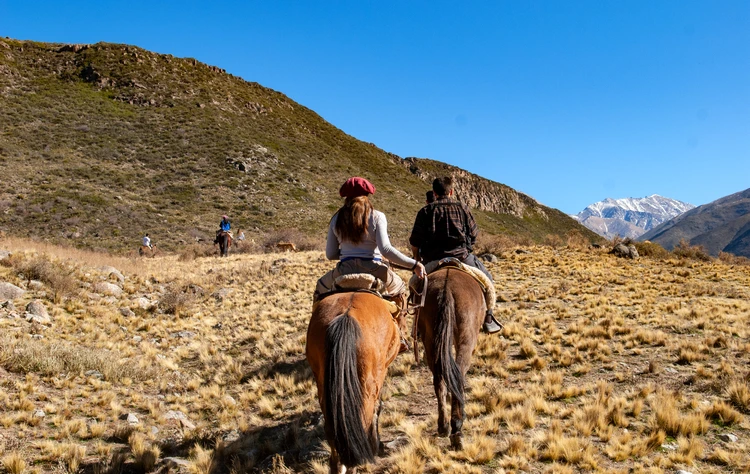
Mendoza vineyards sit at the threshold of the Andes. This proximity offers more than scenic backdrop.
Private horseback rides through vineyard trails, guided hikes in nearby foothills, and even curated visits to high-altitude glacial viewpoints provide dimension beyond wine.
Some travelers incorporate a scenic drive toward Aconcagua, the highest peak in the Americas. The road reveals shifting terrain and reinforces the scale of the region.
Wine tasting becomes one component within a broader landscape narrative.
Gastronomy in the Wine Country
Cuisine in Mendoza reflects agricultural abundance. Grass-fed beef, seasonal produce, and olive oils from nearby groves form the foundation of regional menus.
Winery restaurants often operate at a level that rivals urban fine dining. Multi-course lunches paired with estate wines unfold at a deliberate pace, framed by vineyard views and mountain silhouettes.
Evenings remain relaxed. Guests return to boutique lodges for quiet dinners or private chef experiences arranged discreetly.
Mendoza vineyards encourage a rhythm that extends naturally from midday tastings to sunset reflection.
Designing a Mendoza Extension
Mendoza integrates elegantly into a broader Argentina journey.
Travelers may begin in Buenos Aires, absorbing architectural and cultural depth before flying west into wine country. Others pair Mendoza with Patagonia for contrast between cultivated vineyards and expansive wilderness.
Kuoda structures these transitions carefully. Domestic flights are timed efficiently. Private transfers eliminate friction. Accommodation selections align with traveler preference for scale and atmosphere.
The goal is continuity.
Seasonality and Harvest
The grape harvest, typically between February and April, brings a distinct energy to Mendoza vineyards. Visitors during this period witness picking, sorting, and fermentation processes firsthand.
Spring and autumn offer mild temperatures and clear skies. Summer provides warmth and vibrant vine growth. Winter introduces quieter tasting rooms and snow-dusted Andean peaks.
Each season carries subtle variation. Itinerary design reflects both climate and personal interest.
Responsible Wine Travel
Sustainable viticulture increasingly shapes Mendoza’s identity. Many estates have adopted organic or biodynamic practices, water conservation systems, and renewable energy integration.
Kuoda collaborates with wineries committed to environmental stewardship and responsible production. Private visits minimize impact and encourage direct engagement.
Through the Kaypi Kunan Foundation, Kuoda supports broader community initiatives across South America, reinforcing long-term stewardship beyond individual journeys.
Recognition as a Tripadvisor Travelers’ Choice 2025 winner reflects consistent trust among travelers who value integrity alongside refinement.
Frequently Asked Questions About Mendoza Vineyards
How many days are ideal in Mendoza?
Three nights allow for curated tastings, relaxation at a vineyard lodge, and optional mountain excursions.
Is Mendoza only about Malbec?
While Malbec is central, the region’s diversity includes Cabernet Franc, Chardonnay, and innovative blends shaped by altitude.
Are vineyard stays suitable for non-wine drinkers?
Yes. Landscape, gastronomy, and spa experiences offer depth beyond wine tasting.
Can Mendoza be combined with Chile?
Yes. Mendoza pairs naturally with Santiago and Chilean wine regions for travelers interested in cross-Andean exploration.
The Luxury of Remaining
Mendoza invites stillness.
Morning light moves slowly across vineyard rows. The Andes shift color at dusk. Glassware catches reflection without urgency.
Experiencing Mendoza vineyards thoughtfully means allowing time to stretch. To taste without rushing. To sit longer than planned.
When designed with privacy, knowledge, and seamless coordination, the region becomes less about collecting bottles and more about inhabiting place.
And that distinction changes everything.
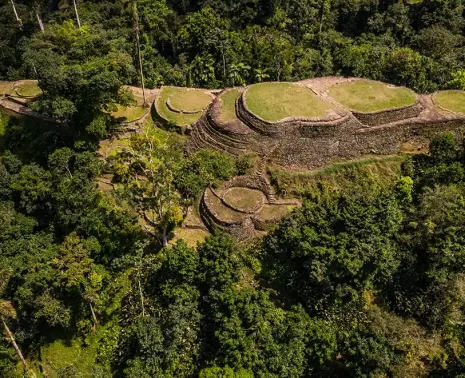
The Lost City Colombia and the Meaning of Reaching It
Some destinations are defined by what they are. Others by what it takes to reach them. The Lost City Col...
Read Post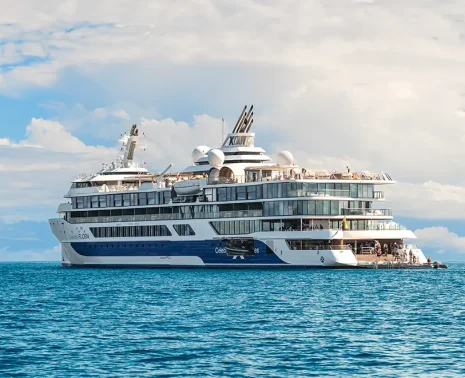
Best Galápagos Cruises: Choosing the Right Way to Experience the Islands
The phrase “best Galápagos cruises” suggests comparison. Ships, cabins, amenities, itineraries. It invite...
Read Post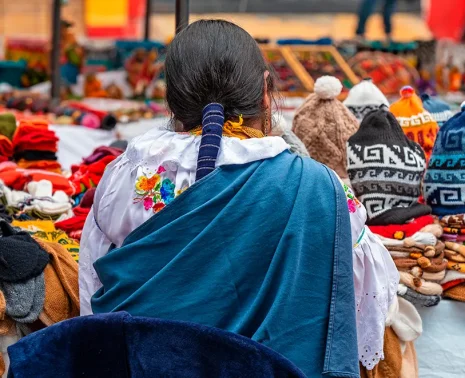
Designing an Ecuador Itinerary with Intention: How to Experience the Country Beyond the Obvious
An Ecuador itinerary is often approached as a checklist. A few days in Quito, a quick passage through the Ande...
Read Post
8 DAYS
Luxury Machu Picchu Tours: Unveiling Peru’s Timeless Wonders
Cusco, Lima, Machu Picchu, Sacred Valley

8 DAYS
Peru Family Vacation: Journey to Machu Picchu and Beyond
Cusco, Lima, Machu Picchu, Sacred Valley

11 DAYS
Amazon River Cruise: A Luxury Journey Through the Amazon
Lima, Cusco, Sacred Valley, Machu Picchu, Iquitos, Amazon River