November 07, 2024 | by: Laurel Thompson


Christmas in Ecuador is a season of religious traditions, colorful processions, handmade nativity scenes, and gatherings centered around food and family. From the historic streets of Cuenca to the Andean capital of Quito and the remarkable wildlife of the Galápagos Islands, December offers different ways to experience the country’s culture and landscapes.
Situated between Colombia and Peru, Ecuador brings together the Andes, the Amazon, the Pacific coast, and the Galápagos archipelago. Christmas celebrations vary by region, creating opportunities to discover local customs while exploring some of the country’s most distinctive destinations.
Whether you want to witness the famous Pase del Niño Viajero in Cuenca, discover Ecuadorian Christmas traditions, or combine cultural experiences with time in nature, the holiday season offers plenty of ways to shape a memorable journey.
How Is Christmas Celebrated in Ecuador?
Christmas in Ecuador combines Catholic traditions with regional customs, community celebrations, and seasonal food. Although practices vary between households and regions, nativity scenes, Christmas novenas, and religious processions remain important parts of the season.
Many families decorate their homes with pesebres, or nativity scenes, featuring handcrafted figures and miniature landscapes. In the days leading up to Christmas, families and communities gather for the novena, a nine-day tradition of prayers and Christmas songs.
One of the country’s most distinctive celebrations takes place in Cuenca on December 24. Known as the Pase del Niño Viajero, this procession features decorated floats, musicians, dancers, and participants in colorful costumes, bringing religious devotion and local traditions together.
Christmas Eve, or Nochebuena, is another important occasion. Families gather for a festive meal, and some attend midnight Mass to celebrate the birth of Jesus.
For travelers, these traditions provide an opportunity to experience Ecuador beyond its famous landscapes. Exploring the country’s historic cities during December can reveal how religious customs, regional identity, and community life shape the Christmas season.
Christmas Traditions in Ecuador
Pesebres: Elaborate Nativity Scenes
One of the most recognizable Christmas decorations in Ecuador is the pesebre, or nativity scene. These displays represent the birth of Jesus and typically include the Holy Family, animals, and other figures associated with the Nativity.
Some nativity scenes are simple arrangements in family homes, while others are elaborate creations featuring miniature houses, handcrafted figures, hills, vegetation, and small streams. Churches and public spaces may also display nativity scenes throughout December.
The tradition reflects the importance of religious imagery in Ecuadorian Christmas celebrations. Travelers exploring historic churches and traditional neighborhoods may encounter different interpretations of the nativity scene, depending on the community and local customs.
Novenas and Villancicos: The Days Leading Up to Christmas
The novena is a nine-day religious tradition observed in the days before Christmas. Families and communities gather to pray, sing villancicos, or Christmas carols, and spend time together.
These gatherings may take place in homes, churches, or neighborhood spaces. Hot chocolate and seasonal refreshments often accompany the prayers and songs, making the novena both a religious observance and a social occasion.
For visitors, learning about the novena offers insight into how Christmas is celebrated beyond public decorations and major processions. Travelers interested in local customs can ask their guide about community events or other appropriate ways to learn about the tradition.
Pase del Niño Viajero: A Unique Christmas Celebration in Cuenca
The Pase del Niño Viajero, or Procession of the Traveling Child, is one of Ecuador’s best-known Christmas traditions. Held in Cuenca on December 24, the celebration honors an image of the Christ Child known as the Niño Viajero.
The tradition is associated with a pilgrimage in 1961, when the image traveled to Rome with Monsignor Miguel Cordero Crespo to receive a blessing from the Pope. Following its return to Ecuador, the image became known as the Niño Viajero, and the procession developed into a major annual celebration.
Today, the event brings together large crowds and features decorated floats, musicians, dancers, and participants wearing elaborate costumes inspired by religious figures and local traditions. Llamas, horses, and other elements associated with the region may also appear in the procession.
The celebration combines Catholic devotion with expressions of Ecuadorian culture, making it a distinctive experience for visitors interested in the country’s traditions.
Travel tip: If you want to experience the Pase del Niño Viajero, plan your visit to Cuenca around December 24 and book accommodation well in advance. The event attracts large crowds, and street closures can affect transportation around the historic center. Confirm the official program before traveling.
Where to Spend Christmas in Ecuador
Ecuador offers several ways to experience Christmas, from traditional Andean celebrations and historic city centers to extraordinary wildlife and volcanic landscapes. The right destination depends on whether you are most interested in cultural traditions, colonial architecture, or time in nature.
Where to Spend Christmas in Ecuador: A Destination Comparison
| Destination | Christmas Experience | Best For | What to Expect |
|---|---|---|---|
| Cuenca | The Pase del Niño Viajero and traditional celebrations | Travelers interested in Christmas traditions and cultural heritage | Historic streets, religious processions, traditional architecture, and regional cuisine |
| Quito | Christmas in a historic Andean capital | Travelers interested in colonial history and religious architecture | Historic plazas, churches, cultural experiences, and access to the surrounding Andes |
| Riobamba | Regional Pases del Niño and community celebrations | Travelers looking to discover local customs | Traditional processions, colorful costumes, music, and regional cultural expressions |
| Galápagos Islands | A nature-focused holiday in a remarkable island ecosystem | Travelers seeking wildlife and outdoor experiences | Guided island excursions, snorkeling opportunities, volcanic landscapes, and wildlife observation |
Each destination offers a different perspective on Christmas in Ecuador. Cuenca is especially associated with the Pase del Niño Viajero, Quito combines historic architecture with city exploration, and Riobamba offers opportunities to learn about regional processions. The Galápagos Islands provide a different kind of holiday, centered on nature rather than Christmas festivities.
Christmas in Cuenca: Traditions and Colonial Charm
Cuenca is one of the most compelling destinations for travelers interested in Christmas traditions in Ecuador. Its historic center, with cobblestone streets, plazas, churches, and traditional architecture, provides a memorable setting for exploring the city during December.
The highlight of the season is the Pase del Niño Viajero on December 24. Visitors can witness its colorful costumes, decorated floats, music, and community participation, subject to the official program for the year.
Beyond the procession, Cuenca offers opportunities to explore its historic churches, discover local craftsmanship, and enjoy regional cuisine. The city is an appealing destination for travelers who appreciate history and cultural experiences, even outside the main celebration.
Travel tip: Allow enough time to explore Cuenca’s historic center, and arrange accommodation and transportation early if you plan to visit during Christmas week.
Christmas in Quito: Historic Streets and Andean Culture
Quito offers a different Christmas experience, combining seasonal traditions with the history and architecture of Ecuador’s capital. Its historic center is known for colonial-era churches, plazas, and streets that reveal layers of the country’s past.
During December, visitors can explore historic landmarks, learn about Ecuador’s religious heritage, and discover local traditions through guided cultural experiences. Churches and public spaces may feature Christmas decorations and nativity displays, although specific events and opening hours vary each year.
Quito can also serve as a starting point for exploring the surrounding Andes. Depending on the length of your journey, you can combine time in the capital with excursions to nearby landscapes, traditional towns, or other destinations in the Ecuadorian highlands.
Travel tip: Quito sits at high altitude, so allow time to adjust before planning strenuous excursions. If you intend to visit churches, museums, or restaurants on December 24 and 25, confirm their holiday schedules in advance.
Christmas in Riobamba: Regional Processions and Local Traditions
For travelers interested in Ecuador’s regional Christmas customs, Riobamba offers another perspective on the country’s celebrations. The city and surrounding communities are known for their Pases del Niño, processions that combine religious devotion with music, dance, colorful costumes, and local cultural expressions.
These celebrations can take place across December and into January, with schedules and routes varying by community. Participants may represent traditional and folkloric characters, accompanied by musicians and other performers.
Experiencing a procession in Riobamba can provide insight into how local communities preserve and celebrate Christmas traditions. Because these events are rooted in community and religious life, travelers should confirm dates and access details before visiting.
Riobamba can also fit into a broader journey through Ecuador’s highlands, depending on the route and time available. It is an option for travelers seeking cultural experiences beyond the country’s best-known cities.
Christmas in the Galápagos Islands: A Unique Nature Experience
For a different kind of holiday, the Galápagos Islands offer an opportunity to exchange city festivities for extraordinary landscapes and wildlife. Located in the Pacific Ocean off mainland Ecuador, the archipelago is known for its volcanic terrain and remarkable biodiversity.
December can be an appealing time to explore the islands, with opportunities for guided excursions, walks across lava formations, snorkeling, and observing marine life. Seasonal wildlife activity varies by island and species, and encounters are never guaranteed.
Visitors may have opportunities to see sea lions, colorful fish, and giant tortoises in their natural environments. The Galápagos are also known for the wildlife research and conservation efforts that help protect these fragile ecosystems.
Unlike Cuenca, the Galápagos Islands are not primarily a destination for Christmas processions or traditional holiday celebrations. Instead, they offer a nature-focused extension to a mainland itinerary, allowing travelers to discover another dimension of Ecuador.
Travel tip: Plan Galápagos flights, accommodation, island transfers, and guided activities well in advance, especially during Christmas and New Year. Choose an itinerary that matches your available time and the experiences you want to prioritize.
Christmas Food in Ecuador: Traditional Holiday Flavors
Food is an important part of Christmas celebrations in Ecuador, with menus varying between regions and households. Festive meals bring people together over traditional dishes, seasonal sweets, and drinks prepared for the occasion.
Some foods and beverages you may encounter include:
- Hornado de chancho: Roasted pork traditionally seasoned and served with regional accompaniments. It is especially associated with the Ecuadorian highlands and is enjoyed at celebrations throughout the year.
- Turkey or roasted chicken: These may serve as the main dish at Christmas Eve dinners, depending on family preferences and local customs.
- Buñuelos: Fried dough treats that can be served sweet or prepared with different fillings, depending on the recipe.
- Rompope: A creamy drink made with ingredients such as milk, eggs, and vanilla. Some versions include aguardiente, a spirit distilled from sugarcane.
- Chicha: A traditional fermented beverage made from grains or other ingredients, with recipes and cultural significance that vary across Ecuador.
Christmas menus are not identical throughout the country. Ingredients, recipes, and serving traditions reflect regional influences and family preferences.
For travelers, exploring local restaurants and markets can offer a broader understanding of Ecuadorian cuisine beyond the dishes associated with Christmas. During the holiday season, restaurant hours may change, so reservations and advance planning are useful for special meals.
Nochebuena: Christmas Eve in Ecuador
December 24, or Nochebuena, is an important evening for many Ecuadorian households. Families often gather for a festive meal before attending Misa de Gallo, the traditional Christmas Eve Mass celebrating the birth of Jesus.
The order of events varies between families. Some attend Mass before their main meal, while others gather for dinner first. Celebrations may continue late into the evening with conversation, music, and time spent together.
For visitors, Nochebuena offers insight into the religious and social traditions that shape Christmas in Ecuador. It is also a date when normal travel routines may be disrupted. Restaurants, shops, attractions, and transportation services can operate on reduced schedules, and some businesses may close.
If you plan to spend Christmas Eve away from your accommodation, arrange dinner and transportation in advance. Travelers attending religious services should check schedules and be mindful that churches may be particularly busy.
Planning a Christmas Trip to Ecuador
December is a rewarding time to explore Ecuador’s cultural traditions, but the holiday season requires some planning, particularly if your itinerary includes major celebrations or the Galápagos Islands.
Book key arrangements early. Accommodation in Cuenca around the Pase del Niño Viajero and travel arrangements for the Galápagos Islands may be in high demand.
Check event schedules. The Pase del Niño Viajero is traditionally held on December 24, while other processions and local festivities take place on different dates. Confirm current programs, routes, and access information before traveling.
Plan around holiday closures. Restaurants, museums, shops, and attractions may have limited hours on December 24 and 25. Confirm important meals, guided visits, and transfers in advance.
Account for geography and altitude. Ecuador’s regions offer very different landscapes and travel conditions. Quito, Cuenca, and other Andean destinations sit at elevation, while the Galápagos require additional transportation planning from the mainland.
Choose experiences that fit your interests. Travelers most interested in Christmas traditions may want to focus on Cuenca and other highland destinations. Those who prefer nature and wildlife can consider adding the Galápagos Islands to a mainland journey.
Can You Combine Cuenca, Quito, and the Galápagos Islands at Christmas?
Yes. Cuenca, Quito, and the Galápagos Islands can be combined in one trip, provided you allow enough time for transportation and exploration.
A journey might begin in Quito, with time to explore its historic center and the surrounding Andes. From there, travelers can continue to Cuenca to experience its architecture and, if the dates align, the Pase del Niño Viajero. The trip could then extend to the Galápagos Islands for guided wildlife experiences and time exploring the archipelago.
The best order depends on flight schedules, travel dates, and the experiences that matter most to you. If attending the Pase del Niño Viajero is a priority, build the itinerary around December 24 and account for the possibility of crowded streets and modified local schedules.
The Galápagos Islands require separate logistical planning, so allow enough time for flights and island activities rather than treating the archipelago as a quick add-on. A well-balanced itinerary can combine cultural traditions on the mainland with the natural diversity that makes Ecuador distinctive.
Experience Christmas in Ecuador with a Private Journey
Christmas in Ecuador brings together meaningful cultural traditions, historic cities, regional cuisine, and remarkable landscapes. From the Pase del Niño Viajero in Cuenca to the colonial heritage of Quito and the wildlife of the Galápagos Islands, the country offers several ways to shape a memorable December journey.
A private itinerary makes it possible to coordinate these experiences around your travel dates, interests, and preferred pace. It can also help manage the details that matter during the holiday season, from accommodation and transportation to special activities and regional connections.
Discover Kuoda’s private journeys in Ecuador to begin planning a trip that brings together the traditions and landscapes you most want to experience.
Frequently Asked Questions About Christmas in Ecuador
What are the main Christmas traditions in Ecuador?
Important traditions include setting up pesebres, or nativity scenes, gathering for the Christmas novena, attending Christmas Eve Mass, and sharing a festive meal. The Pase del Niño Viajero in Cuenca is one of the country’s best-known seasonal celebrations.
Where is the best place to experience Christmas in Ecuador?
Cuenca is particularly known for the Pase del Niño Viajero on December 24. Quito offers historic architecture and cultural experiences, while Riobamba is associated with traditional processions. The Galápagos Islands offer a nature-focused alternative for travelers who want to combine Christmas travel with wildlife exploration.
What is the Pase del Niño Viajero?
The Pase del Niño Viajero is a major Christmas procession held in Cuenca on December 24. It honors an image of the Christ Child and features decorated floats, musicians, dancers, and participants wearing traditional and religious costumes.
What food is traditionally eaten at Christmas in Ecuador?
Christmas Eve meals vary by household and region. They may include turkey, roasted chicken, hornado de chancho, and seasonal sweets such as buñuelos. Rompope and other traditional beverages may also be served.
Is December a good time to visit the Galápagos Islands?
December can be a rewarding time to explore the Galápagos, with opportunities for snorkeling, guided nature excursions, and wildlife observation. Conditions and wildlife activity vary by location, so plan activities with local specialists and follow park guidance.
Are restaurants and attractions open on Christmas Eve and Christmas Day?
Opening hours vary by destination and business. Some restaurants, shops, and attractions may close or operate reduced hours on December 24 and 25. Confirm schedules and arrange important meals, tours, and transfers in advance.
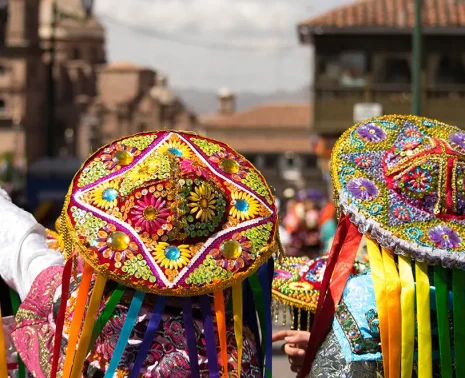
Christmas in Peru: Andean Traditions, Santuranticuy & Holiday Experiences
Christmas in Peru brings together family gatherings, Catholic traditions, Andean culture, and regional celebra...
Read Post
Christmas in Argentina: Traditions, Weather & Where to Go
Christmas in Argentina takes place during the Southern Hemisphere’s summer, bringing warm days, long evening...
Read Post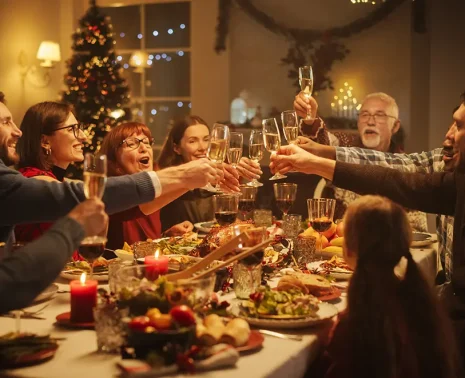
Christmas in Chile: Traditions, Weather & Where to Go
There is a distinct magic that settles over Chile as December unfolds. Stretching from the hyper-arid north to...
Read Post
8 DAYS
Luxury Machu Picchu Tours: Unveiling Peru’s Timeless Wonders
Cusco, Lima, Machu Picchu, Sacred Valley

8 DAYS
Peru Family Vacation: Journey to Machu Picchu and Beyond
Cusco, Lima, Machu Picchu, Sacred Valley

11 DAYS
Amazon River Cruise: A Luxury Journey Through the Amazon
Lima, Cusco, Sacred Valley, Machu Picchu, Iquitos, Amazon River