February 15, 2026 | by: Kuoda Authors


Why Machu Picchu Rewards Those Who Arrive Prepared
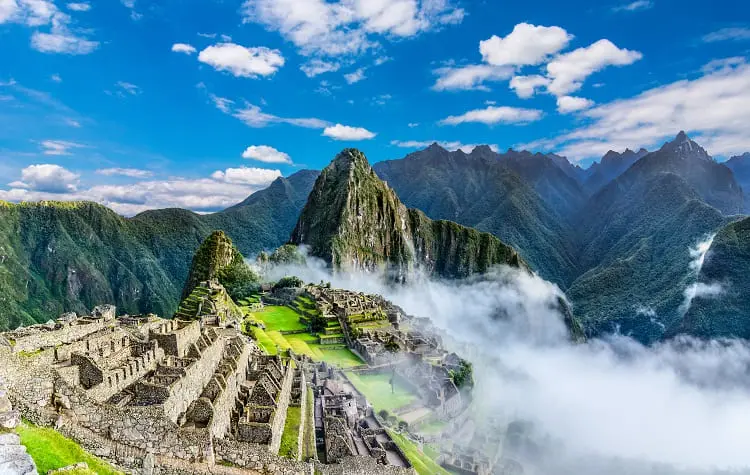
For many travelers, the desire to visit Machu Picchu builds slowly, often over years. What surprises most is not the scale of the site, but how sensitive the experience is to preparation. Machu Picchu is not overwhelming by nature. It becomes overwhelming when it is approached without context.
The citadel responds to mountain, water, and sky with quiet precision. Stone follows contour. Pathways guide movement deliberately. Meaning reveals itself when time and orientation are allowed to do their work.
Kuoda approaches Machu Picchu as part of a broader Andean landscape, not as an isolated destination. Our role is to shape the journey so that arrival feels natural, legible, and deeply personal.
Orientation Comes Before Arrival
The most meaningful Machu Picchu experiences begin well before the site itself.
Time spent in the Sacred Valley provides essential grounding. Altitude is introduced gradually. Terraced agriculture explains Andean engineering long before it is seen in stone. Daily life in villages offers continuity between past and present.
Kuoda prioritizes Sacred Valley stays for this reason. We select refined countryside lodges that provide space, calm, and a sense of rhythm. Days are paced intentionally. Private visits remove pressure. Guides adjust interpretation to the traveler, allowing curiosity to unfold rather than be directed.
By the time travelers continue toward Machu Picchu, the site feels coherent rather than monumental. Recognition replaces surprise.
What It Means to Visit Machu Picchu Well
To visit Machu Picchu well is not to see everything. It is to understand what you are seeing.
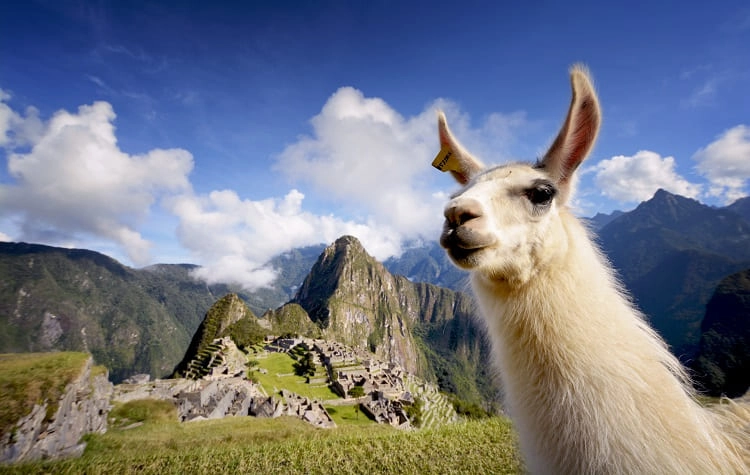
The citadel’s power lies in alignment. Stonework mirrors the surrounding peaks. Water channels follow gravity with intelligence rather than force. The route through the site shapes perspective as much as architecture does.
Kuoda designs Machu Picchu visits with this structure in mind. Entry times are selected to reduce congestion and preserve clarity. Routes are chosen for flow rather than coverage. Private guiding focuses on interpretation, helping travelers read the site rather than rush through it.
We are selective about what we include and equally selective about what we leave out. More is rarely better here. Precision is.
Timing, Transitions, and the Value of Ease
Reaching Machu Picchu involves a series of transitions. Valley to train. Train to site. Site to return.
Handled poorly, these moments fragment attention and drain energy. Handled well, they fade into the background.
Kuoda orchestrates these transitions carefully. Private transfers minimize waiting. Train schedules are chosen for comfort and daylight rather than speed. Movement feels fluid, not procedural.
This operational ease allows travelers to remain present, which is essential when encountering a place as layered as Machu Picchu.
Cusco as Cultural Counterpoint
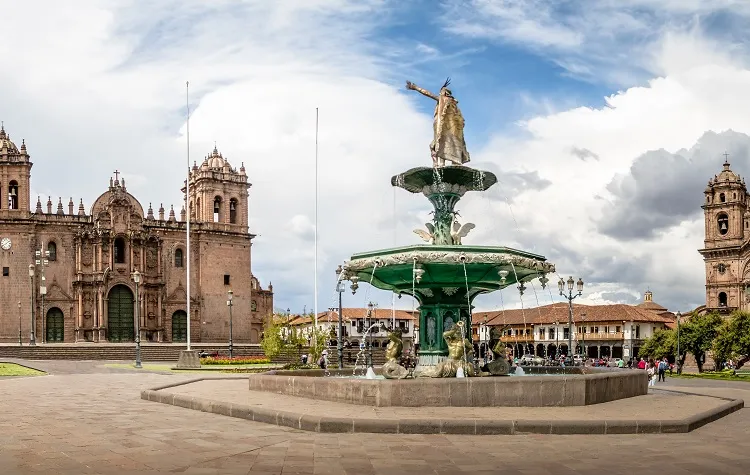
The city of Cusco is not an accessory to Machu Picchu. It is its cultural counterpart.
Cusco’s layered architecture reveals how Inca foundations continue to shape contemporary life. Streets, courtyards, and daily rituals provide context that deepens understanding of the citadel’s purpose and symbolism.
Kuoda thoughtfully introduces Cusco. Neighborhood walks are paced gently. Stories emerge through observation rather than lecture. Time is given for acclimatization, rest, and orientation.
When travelers later visit Machu Picchu, the site feels connected to a living cultural continuum rather than frozen in time.
Designing With the Traveler in Mind
Every Kuoda Machu Picchu journey begins with listening.
Some travelers value time and quiet over depth of explanation. Others want detailed interpretation and architectural insight. Some travel with family, others as couples or solo explorers. Energy levels, pace preferences, and expectations differ.
Kuoda designs accordingly. We do not rely on fixed formulas. Each itinerary is shaped around how the traveler wants to experience Peru, ensuring Machu Picchu fits naturally within that vision.
This is how the experience becomes personal rather than prescribed.
Respecting a Fragile Site
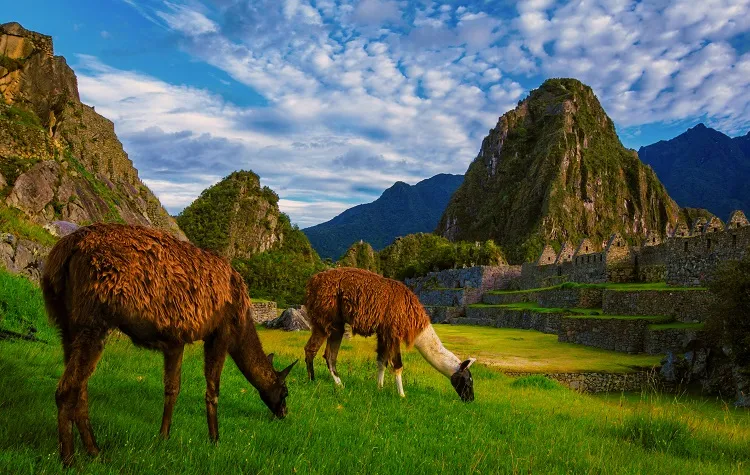
Machu Picchu is protected, regulated, and carefully managed.
Kuoda works within these frameworks with respect and foresight. Routes, timing, and group size are considered deliberately. Encounters emphasize understanding rather than volume.
Through climate-positive practices and community engagement supported by the Kaypi Kunan Foundation, Kuoda contributes to the long-term stewardship of Peru’s cultural heritage in ways that are factual and sustained.
Here, sustainability is not highlighted. It is assumed.
Frequently Asked Questions
When is the best time to visit Machu Picchu?
Machu Picchu can be visited year-round, but the experience varies meaningfully by season. The dry season, roughly from May through September, offers clearer skies and more predictable conditions, though it also brings higher visitor numbers. The shoulder months of April and October often provide an excellent balance of light, weather stability, and fewer crowds.
The rainy season, from November through March, introduces lush landscapes and quieter pathways, particularly in January and February, though showers are more frequent and flexibility becomes essential. Kuoda plans visits based on seasonal light, crowd patterns, and overall itinerary rhythm, helping travelers choose the moment that best aligns with their priorities rather than defaulting to peak periods.
How does Kuoda manage crowds at Machu Picchu?
Crowds at Machu Picchu are not constant throughout the day. Entry times, circuit selection, and pacing make a substantial difference. Kuoda carefully selects entry windows and routes that allow for clarity and flow, avoiding peak congestion whenever possible.
Equally important is what surrounds the visit. By prioritizing time in the Sacred Valley and Cusco before and after the site, Kuoda ensures that Machu Picchu is experienced as part of a larger, calmer narrative rather than as a single pressured moment.
How physically demanding is a visit to Machu Picchu?
A standard visit to Machu Picchu involves uneven stone pathways, gradual inclines, and time at altitude, but it does not require advanced fitness. Kuoda adapts routing, pacing, and support based on each traveler’s comfort level, ensuring the experience feels manageable and unhurried.
For those seeking additional physical challenge, such as optional hikes or extended routes, Kuoda integrates these thoughtfully and only when they enhance rather than dominate the journey.
Can Machu Picchu be visited privately and at a comfortable pace?
Yes. Kuoda arranges private guiding and designs visits that prioritize comfort, interpretation, and personal rhythm. Rather than rushing through circuits, time is allocated to pause, observe, and understand how the site relates to its surrounding landscape.
This approach allows Machu Picchu to be experienced as a place of meaning rather than a sequence of viewpoints.
How does Machu Picchu fit into a longer Peru journey?
Machu Picchu is most rewarding when it is not treated as a standalone event. Kuoda integrates the site into a broader Peru itinerary that includes the Sacred Valley and Cusco, allowing for gradual acclimatization, cultural context, and rest.
This continuity ensures that the visit feels grounded and coherent, reinforcing understanding rather than compressing it into a single day.
When Understanding Carries Forward
Machu Picchu does not linger because it is famous. It lingers because it is precise.
To visit Machu Picchu with care is to allow its logic to reveal itself gradually. Stone aligned with the mountain. Water guided with intention. Human presence is shaped by the environment rather than imposed upon it.
Kuoda’s role is to design the conditions where that understanding can emerge naturally. Seamless logistics. Thoughtful pacing. And deep local insight rooted in Peru itself.
When approached this way, Machu Picchu becomes less a destination reached and more a place understood, long after the journey continues elsewhere.
Best Galápagos Island Tours: Designing an Experience That Feels Natural, Not Manufactured
Why the Galápagos Continues to Matter to Thoughtful Travelers The Galápagos Islands occupy a rare posit...
Read Post
Torres del Paine National Park Hiking: Walking Through Patagonia’s Inner Logic
A Landscape That Requires Presence There are landscapes that reward ambition, and others that reward attentio...
Read Post
The Most Meaningful Things to Do in Peru: A Luxury Traveler’s Guide
Peru is not a place you rush. It invites you in slowly, through landscapes that shift from desert coastline to...
Read Post
8 DAYS
Luxury Machu Picchu Tours: Unveiling Peru’s Timeless Wonders
Cusco, Lima, Machu Picchu, Sacred Valley

8 DAYS
Peru Family Vacation: Journey to Machu Picchu and Beyond
Cusco, Lima, Machu Picchu, Sacred Valley

11 DAYS
Amazon River Cruise: A Luxury Journey Through the Amazon
Lima, Cusco, Sacred Valley, Machu Picchu, Iquitos, Amazon River