November 05, 2026 | by: Kuoda Authors


Every December 24, Cusco’s historic Plaza de Armas comes alive with artisans, local families, and travelers gathering for Santurantikuy, one of Peru’s most distinctive Christmas traditions. This centuries-old market brings together religious art, Andean craftsmanship, and the festive spirit of Christmas in the heart of the former Inca capital.
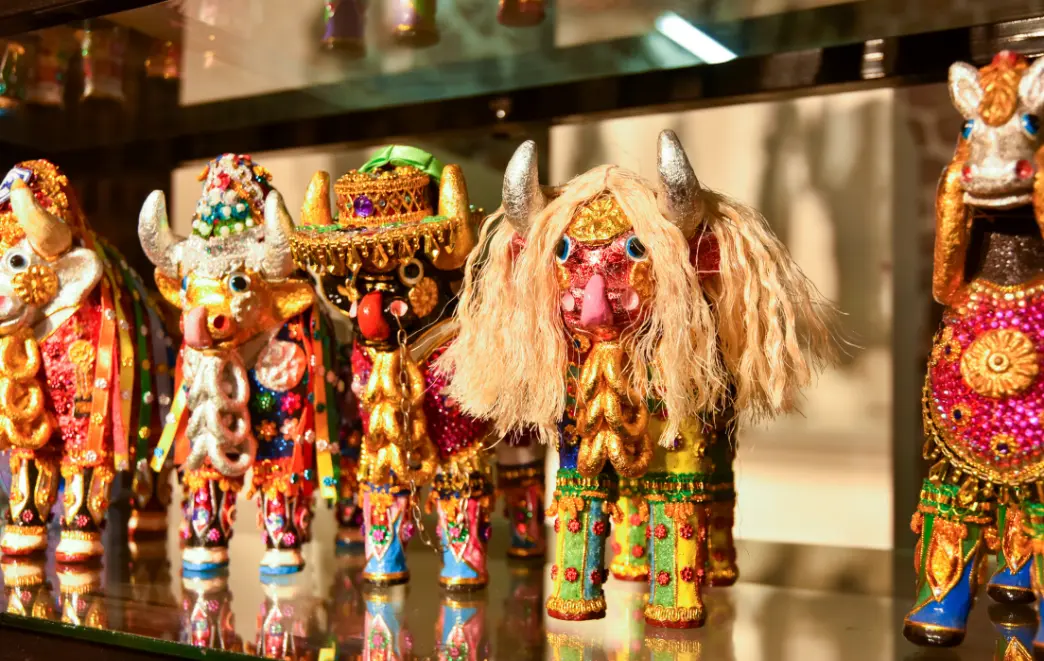
Derived from Quechua words commonly translated as “the sale of saints,” Santurantikuy is closely associated with the handcrafted religious figures families use to prepare their Christmas nativity scenes. Today, the market also showcases a wide variety of artisan creations, from Niño Manuelito figures and traditional retablos to textiles, ceramics, and decorative objects.
For travelers visiting Peru in December, Santurantikuy offers an opportunity to discover Cusco’s artistic heritage, learn about the traditions behind Andean Christmas celebrations, and meet the craftsmanship that continues to shape the region’s cultural identity.
With Kuoda Travel, you can incorporate this festive experience into a personalized journey through Cusco, the Sacred Valley, and other destinations in southern Peru.
The History and Significance of Santurantikuy
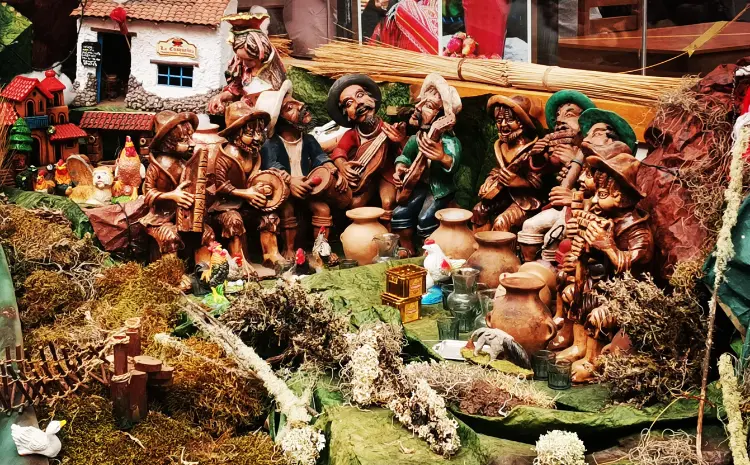
Santurantikuy developed during the colonial period, when religious imagery and nativity scenes became an important part of Christmas celebrations in Cusco. Before Christmas Eve, families visited the market to purchase figures and decorative elements for their nacimientos, or nativity scenes.
Over generations, the market evolved into a major artisanal gathering. Religious figurines remain central to the tradition, but artisans also bring textiles, ceramics, wooden figures, retablos, and other handmade objects that reflect the diversity of Peruvian craftsmanship.
The market illustrates the cultural exchanges that have shaped Cusco over centuries. Catholic traditions introduced during the colonial period became intertwined with local artistic practices, materials, and interpretations of religious life.
Today, Santurantikuy remains an important part of Christmas in Cusco. It offers visitors an opportunity to appreciate traditional artistry, discover the stories behind nativity figures, and support artisans through the purchase of their work.
Is Santurantikuy Cusco’s Christmas Market?
Yes. Santurantikuy is Cusco’s traditional Christmas market, held in the Plaza de Armas on December 24. Its name is commonly translated as “the sale of saints,” reflecting its historical connection to religious figurines and the nativity scenes that families prepare for Christmas.
Unlike Christmas markets focused mainly on seasonal gifts and decorations, Santurantikuy has a strong connection to Andean craftsmanship and the Peruvian tradition of creating elaborate nacimientos. Visitors can find handmade figures of the Baby Jesus, other religious images, nativity decorations, and crafts made by artisans from Cusco and surrounding areas.
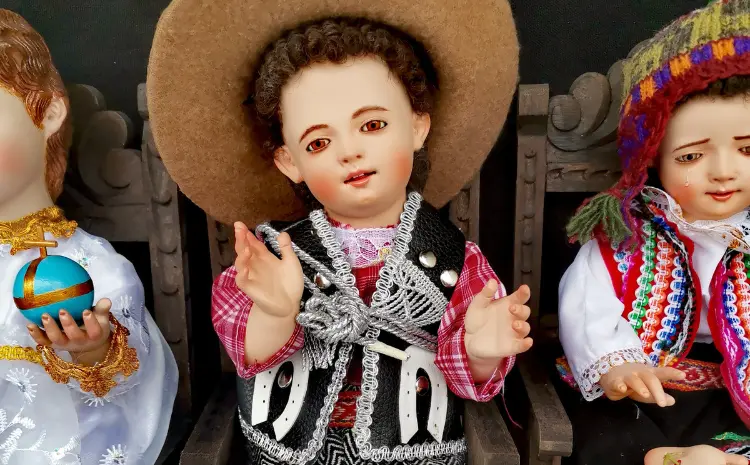
One of the market’s most recognizable figures is Niño Manuelito, the Andean representation of Baby Jesus. Cusqueño families may add new figures, clothing, or decorative elements to their nativity scenes over time, making these objects meaningful parts of their Christmas traditions.
Santurantikuy is therefore more than a place to shop for Christmas souvenirs. It is a cultural gathering where religious customs, local artistry, and family celebrations come together.
For travelers planning Christmas in Cusco, the market offers a distinctive way to experience the city’s living traditions. Its annual date also makes it important to plan your December 24 itinerary in advance.
What to Expect at Santurantikuy in Cusco
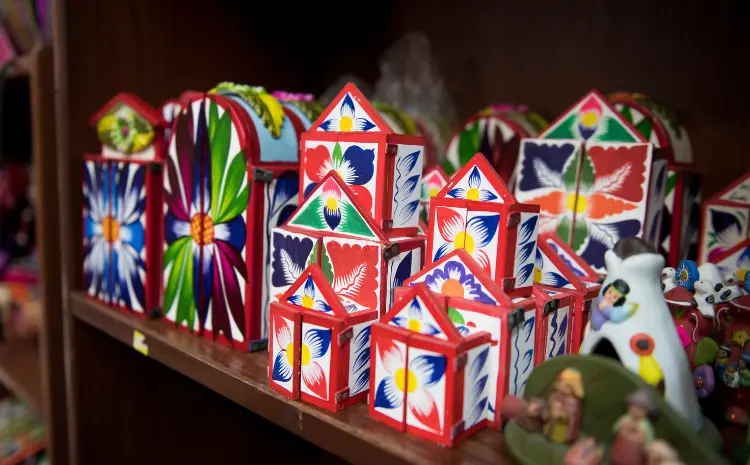
Walking through Cusco’s Plaza de Armas during Santurantikuy means exploring stalls filled with handmade objects, nativity figures, and traditional crafts. Artisans gather to display their work, creating a festive atmosphere in the city’s historic center.
Niño Manuelito: The Heart of the Market
One of the most sought-after creations at Santurantikuy is Niño Manuelito, the Peruvian and Andean representation of Baby Jesus.
These figures come in different sizes and styles and may be dressed in traditional clothing. For many Cusqueño families, caring for a Niño Manuelito and incorporating it into the family nativity scene is an important Christmas custom.
Visitors can also find figures of Mary, Joseph, the Three Wise Men, angels, and other characters associated with the Nativity.
Retablos and Nativity Decorations
Retablos are three-dimensional structures containing miniature scenes, often depicting religious stories, everyday life, or cultural traditions. Some are associated with Christmas nativity displays, while others portray broader aspects of Peruvian life.
At Santurantikuy, visitors may find religious figures and decorative elements used to create or expand a nacimiento. Depending on the stalls and products available, these can include miniature settings and natural materials traditionally used to decorate nativity scenes.
Andean Crafts and Handmade Treasures
Although religious art is central to Santurantikuy, the market also showcases a wider range of Peruvian craftsmanship. Depending on the artisans participating each year, visitors may find:
- Andean textiles: Woven pieces and handmade products featuring regional designs and techniques.
- Retablos: Detailed miniature scenes that combine storytelling and craftsmanship.
- Wooden figures: Carved religious figures and decorative objects.
- Ceramics and pottery: Pieces reflecting a variety of regional artistic influences.
- Jewelry and small crafts: Handmade accessories and decorative objects inspired by Peruvian artistic traditions.
The selection varies from stall to stall, making it worthwhile to explore the market and compare the different styles and techniques.
Seasonal Treats and Festive Atmosphere
Santurantikuy is part of the wider Christmas atmosphere in Cusco. The Plaza de Armas fills with visitors preparing for Christmas Eve, and the surrounding historic center provides an inviting setting for a festive walk.
The market can be busy, particularly around popular stalls. Take your time to explore, ask artisans about their work, and enjoy the opportunity to see this annual tradition up close.
Santurantikuy at a Glance
| Market highlight | What you can discover | Why it matters |
|---|---|---|
| Niño Manuelito | Handmade figures of Baby Jesus, sometimes dressed in traditional clothing | Reflects an important part of Andean Christmas traditions |
| Nativity figures | Figures of Mary, Joseph, the Three Wise Men, and other characters | Connects the market with family nativity scenes |
| Retablos | Three-dimensional scenes and miniature settings | Showcases Peruvian craftsmanship and storytelling |
| Andean textiles and crafts | Handmade objects and regional artistic designs | Offers insight into local techniques and creative traditions |
| Nativity decorations | Decorative elements and materials for Christmas displays | Connects the market to the preparation of nacimientos |
A Luxury Christmas in Cusco with Kuoda Travel
While Santurantikuy is a lively public market, a thoughtfully planned visit can help you explore it at a comfortable pace and understand the traditions behind the objects on display.
With a private guide, you can walk through the market, learn about the history of its crafts, and discover the significance of figures such as Niño Manuelito. Depending on availability and your interests, Kuoda Travel may also be able to arrange visits with artisans, offering a closer look at their techniques and creative processes.
After exploring the market, consider a Christmas Eve dinner at one of Cusco’s restaurants or hotels offering seasonal dining experiences. Properties such as Palacio Nazarenas and Belmond Hotel Monasterio are known for their distinctive settings, although holiday menus, availability, and special arrangements should be confirmed for your travel dates.
Travelers interested in Andean spiritual traditions may also ask about a despacho ceremony, a traditional offering associated with gratitude and reciprocity. Any such experience should be arranged with appropriate local practitioners and with respect for the cultural context.
Kuoda can help coordinate these elements as part of a personalized itinerary, subject to availability and the arrangements confirmed for your trip.
How to Visit Santurantikuy
Santurantikuy traditionally takes place on December 24 in Cusco’s Plaza de Armas. Because the event coincides with Christmas Eve, it is worth planning your visit alongside your other holiday arrangements.
Visit on December 24
December 24 is the traditional date of Santurantikuy. Confirm local arrangements for your travel year before visiting, particularly if you are planning around specific opening times or other Christmas Eve activities.
Allow Time to Explore
The market attracts local residents and visitors, and there is a wide variety of objects to discover. Allow enough time to walk through the stalls, compare pieces, and enjoy the surrounding historic center without rushing.
Bring Cash and Protect Your Belongings
Carry some local currency for purchases, as payment options may vary between vendors. As with any busy public event, keep valuables secure and remain aware of your surroundings.
Ask Before Photographing Artisans
If you would like to photograph an artisan or their work, ask permission first. A respectful approach recognizes the people behind the craftsmanship and helps make the interaction more meaningful.
Plan Your Christmas Eve in Advance
If you intend to attend a Christmas Eve service or enjoy a special dinner, confirm schedules and reservations ahead of time. Santurantikuy can be one part of a broader holiday experience in Cusco, but the rest of your itinerary should account for seasonal demand and holiday opening hours.
Santurantikuy and Beyond: Exploring Southern Peru in December
A visit to Santurantikuy can be the starting point for a broader journey through southern Peru. After experiencing Christmas Eve in Cusco, continue exploring the landscapes, archaeological sites, and living traditions of the Andes.
Consider combining your visit with:
- The Sacred Valley: Discover Andean villages, archaeological sites, and landscapes shaped by centuries of history.
- Machu Picchu: Explore one of Peru’s most renowned archaeological sites as part of your journey through the Andes.
- Lake Titicaca: Discover the cultural diversity of communities around the lake and explore the highland landscapes.
- Arequipa and Colca Canyon: Experience colonial architecture, dramatic scenery, and the landscapes of southern Peru.
December falls within the rainy season in the Andean highlands, so allow flexibility in your itinerary and arrange transportation and popular visits in advance.
To explore more seasonal traditions and destinations, read our guide to Christmas in Peru.
Frequently Asked Questions About Santurantikuy
What does Santurantikuy mean?
Santurantikuy is commonly translated from Quechua as “the sale of saints.” The name reflects the market’s historical association with religious figurines and the nativity scenes prepared for Christmas in Cusco.
When is Santurantikuy celebrated?
Santurantikuy traditionally takes place on December 24, Christmas Eve, in Cusco’s Plaza de Armas. Confirm local arrangements for the year you plan to visit.
Where is the Santurantikuy Christmas market held?
The market takes place in Cusco’s historic Plaza de Armas, surrounded by colonial architecture and important landmarks in the city center.
What can you buy at Santurantikuy?
Visitors may find handmade Niño Manuelito figures, other nativity figures, retablos, textiles, ceramics, and a range of artisan crafts. The selection varies depending on the artisans and vendors participating each year.
Why is Niño Manuelito important at Santurantikuy?
Niño Manuelito represents Baby Jesus in the Andean Christmas tradition. Families may incorporate these figures into their nativity scenes and add new pieces or clothing over time.
Is Santurantikuy worth visiting?
For travelers interested in Andean culture, religious art, and traditional craftsmanship, Santurantikuy offers a distinctive way to experience Christmas in Cusco. It is also an opportunity to discover the work of local artisans in a lively public setting.
Can I visit Santurantikuy as part of a Christmas trip to Peru?
Yes. Santurantikuy can be included in a broader Peru itinerary that combines Cusco, the Sacred Valley, and Machu Picchu. Because the market takes place on Christmas Eve, plan accommodations, transportation, and other holiday arrangements in advance.
Plan Your Santurantikuy Experience with Kuoda Travel
Santurantikuy is more than a Christmas market. It is a celebration of Peruvian artistry, cultural heritage, and the festive traditions that continue to shape Cusco’s identity.
Whether you want to discover the story behind Niño Manuelito, explore the market’s handmade treasures, or include the celebration in a wider journey through Peru, Kuoda can help you plan a personalized experience around your interests and travel dates.
Contact Kuoda Travel to begin planning your Christmas journey through Cusco and Peru.
Christmas in South America: Best Places & Traditions
Christmas in South America: Where to Go & What to Expect There is something deeply inviting about the hol...
Read Post
Kuoda Travel Reviews and What They Reveal About Thoughtfully Designed Journeys
Most travelers begin by reading reviews. It is a natural instinct. Before committing time and trust, there ...
Read Post
Peru Culture and Traditions: Living Continuity in the Andes and Beyond
Why Culture in Peru Is Experienced, Not Observed Peru does not separate past from present neatly. Its cult...
Read Post
8 DAYS
Luxury Machu Picchu Tours: Unveiling Peru’s Timeless Wonders
Cusco, Lima, Machu Picchu, Sacred Valley

8 DAYS
Peru Family Vacation: Journey to Machu Picchu and Beyond
Cusco, Lima, Machu Picchu, Sacred Valley

11 DAYS
Amazon River Cruise: A Luxury Journey Through the Amazon
Lima, Cusco, Sacred Valley, Machu Picchu, Iquitos, Amazon River