March 06, 2026 | by: Kuoda Authors


Why Potatoes Matter in Peru
In Peru, potatoes are not a culinary curiosity. They are a foundation.
Long before they appeared on global tables, potatoes were cultivated in the Andean highlands as a response to altitude, climate, and scarcity. Over time, they became embedded in systems of agriculture, social organization, and worldview. Today, peru potatoes represent one of the most enduring examples of how human ingenuity adapts to the environment rather than reshaping it.
For thoughtful travelers, understanding Peru through its potatoes offers a different point of entry. One grounded not in monumentality, but in continuity. Kuoda approaches this subject with the same care we apply to landscapes and history, designing experiences that allow travelers to understand why potatoes still matter here, and how that knowledge remains alive.
The Andes as a Living Agricultural System
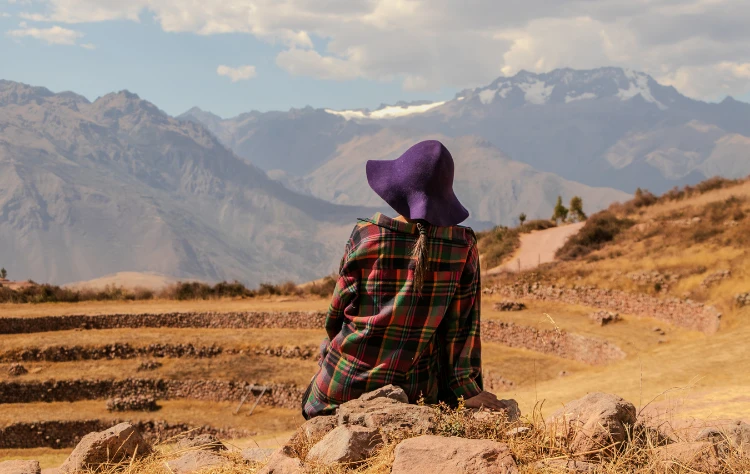
Peru is home to thousands of native potato varieties, many of which are cultivated at specific altitudes and microclimates.
In the high Andes, farming is not extractive. It is adaptive. Fields are planted across elevation bands to mitigate risk. Diversity ensures resilience. Taste, texture, and storage qualities are as important as yield.
Kuoda introduces this agricultural logic through place-based experiences rather than explanation alone. Time spent in rural Andean communities reveals how potatoes are grown, stored, and exchanged as part of daily life. Travelers begin to see agriculture not as production, but as a relationship.
This context transforms Peru potatoes from ingredient to insight.
The Sacred Valley and the Geography of Cultivation
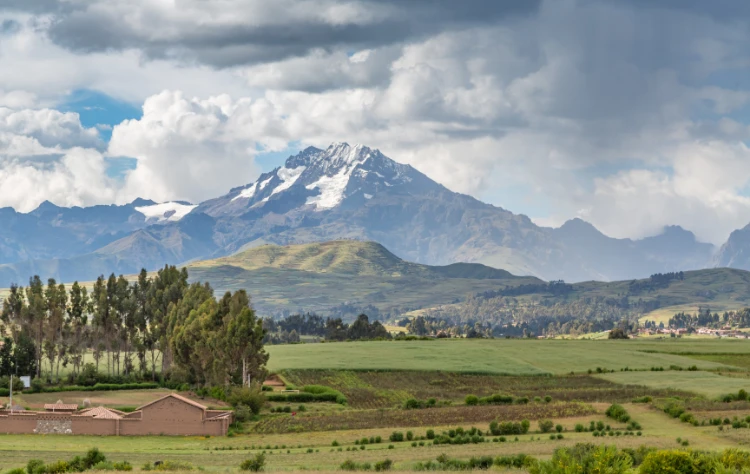
The Sacred Valley provides one of the clearest settings for understanding potato cultivation.
Here, altitude shifts rapidly over short distances. Terraces follow natural contours. Irrigation systems reflect centuries of refinement. Potatoes grown at higher elevations differ markedly from those cultivated closer to the valley floor.
Kuoda designs Sacred Valley experiences that allow travelers to observe these differences directly. Visits to farming areas are paced gently and framed through conversation rather than demonstration. The emphasis is on understanding how knowledge has been preserved and adapted over generations.
In this setting, peru potatoes become part of a broader Andean system that includes architecture, cosmology, and land stewardship.
Peru Potatoes as Cultural Knowledge
Potatoes in Peru are inseparable from culture.
They appear in rituals, seasonal calendars, and communal labor practices. Varieties are chosen not only for flavor, but for their symbolic and practical roles within the community. Some potatoes are meant to be freeze-dried. Others are reserved for specific dishes or ceremonies.
Kuoda integrates this cultural dimension subtly. Encounters are designed to feel organic rather than instructional. Travelers may observe preparation methods, learn about traditional preservation techniques such as chuño, or share meals that reflect local preferences rather than curated menus.
This approach allows cultural knowledge to emerge naturally, reinforcing the depth behind peru potatoes.
Biodiversity and the Role of Preservation
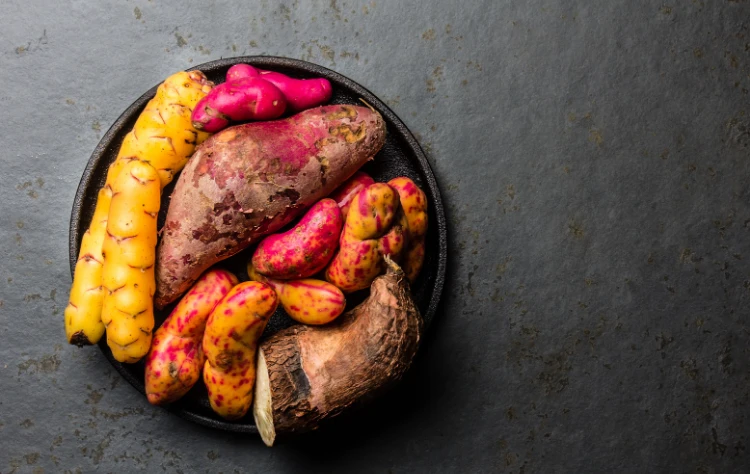
Peru’s potato biodiversity is unparalleled.
Institutions such as the International Potato Center work to conserve native varieties and protect genetic diversity that is critical for global food security. However, preservation also happens daily, through farmers who continue to plant diverse crops according to ancestral knowledge.
Kuoda acknowledges this dual system of conservation. Scientific research and lived tradition coexist. Travel experiences are designed to respect both, without turning either into spectacle.
For travelers, this provides a deeper understanding of how biodiversity is maintained not through isolation, but through continuity.
From Field to Table: Taste as Expression
Peruvian cuisine has gained global recognition, but its foundation remains agricultural.
Potatoes appear in countless forms, from simple preparations to refined dishes that highlight texture and flavor rather than novelty. Native varieties carry subtle bitterness, earthiness, and sweetness that reflect their growing conditions.
Kuoda introduces culinary experiences that honor this relationship. Meals are selected for authenticity and balance. Conversations with chefs and producers emphasize sourcing and seasonality rather than technique alone.
Through taste, travelers experience Peru potatoes not as background, but as expression.
Contemporary Peru and Agricultural Identity
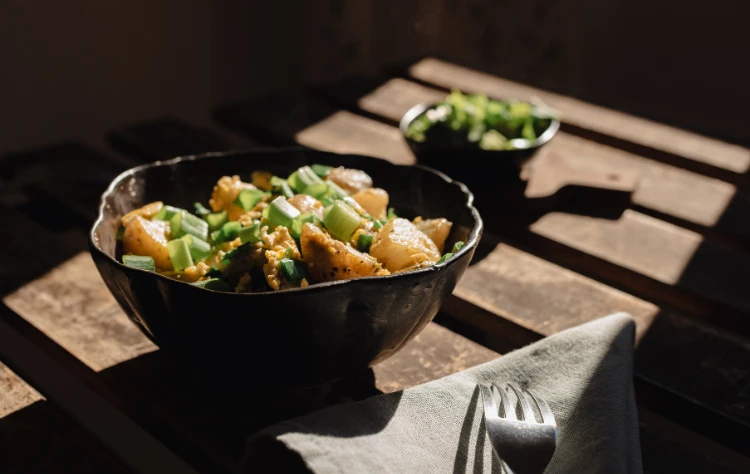
Modern Peru continues to negotiate the relationship between tradition and change.
Urban markets, contemporary kitchens, and rural communities remain connected through food systems that prioritize diversity. Potatoes grown in highland communities appear on restaurant menus in Cusco and Lima without losing their identity.
Kuoda designs journeys that reflect this continuity. Agricultural heritage is not framed as past tense. It is experienced as something active and evolving.
This perspective reinforces Peru’s position as a country where innovation often begins with respect for existing systems.
Sustainability Rooted in Practice
Sustainability in Andean agriculture is not a concept imported from elsewhere. It is embedded.
Crop rotation, biodiversity, communal labor, and respect for land cycles have long shaped how potatoes are grown. Kuoda approaches agricultural experiences with sensitivity to this reality.
Through responsible travel practices and initiatives connected to the Kaypi Kunan Foundation, Kuoda supports community-based continuity rather than extraction. Encounters are designed to benefit local partners while preserving dignity and autonomy.
Here, sustainability is observed rather than announced.
Frequently Asked Questions
Why are Peru potatoes considered unique?
Peru potatoes are unique due to their extraordinary biodiversity, adaptation to altitude, and cultural significance developed over thousands of years.
How many potato varieties are grown in Peru?
Peru is home to thousands of native potato varieties, many of which are cultivated in specific microclimates across the Andes.
Can travelers experience potato culture firsthand?
Yes. Kuoda designs experiences in the Sacred Valley and Andean communities where travelers can observe cultivation, preservation, and culinary use in context.
Are potato-related experiences physically demanding?
Most experiences involve light walking and conversation. Kuoda adapts pacing and access to ensure comfort and ease.
When Food Becomes Understanding
Potatoes do not announce their importance. They reveal it gradually.
Through landscape, labor, taste, and tradition, Peru potatoes offer insight into how Andean societies have thrived in challenging environments for centuries. They speak to resilience without rhetoric and abundance without excess.
Kuoda’s role is to create the conditions where that understanding can emerge naturally. By connecting travelers to place, people, and practice, a simple crop becomes a lens through which Peru is understood more deeply.
In this way, potatoes are not just part of the journey. They are part of the story Peru continues to tell.
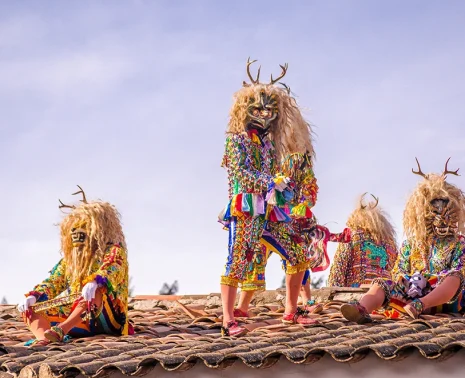
When Devotion Becomes Performance: The Meaning of the Paucartambo Festival
A Festival That Resists Simplification High in the southern Andes, a few hours from Cusco, the town of Pa...
Read Post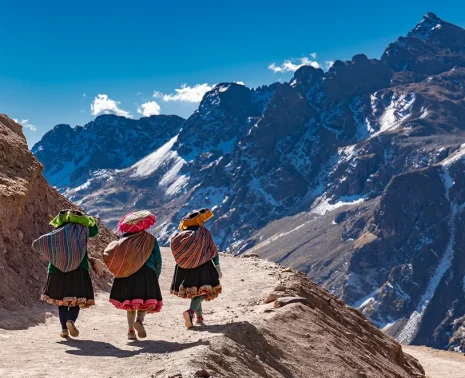
Qoyllur Riti: Pilgrimage, Ice, and the Endurance of Andean Faith
A Gathering Beyond the Language of Festivals High in the southern Andes of Peru, where altitude thins the...
Read Post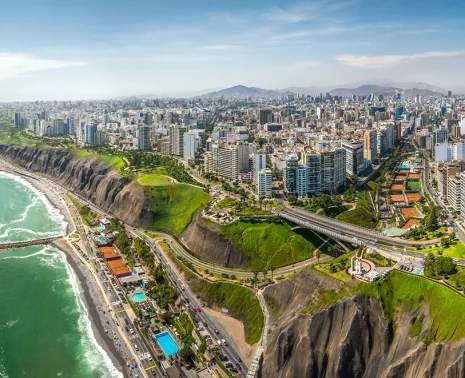
Chabuca Granda: Music, Memory, and the Soul of Coastal Peru
A Voice That Still Shapes the City Some artists belong to a moment. Others become inseparable from a place. ...
Read Post
8 DAYS
Luxury Machu Picchu Tours: Unveiling Peru’s Timeless Wonders
Cusco, Lima, Machu Picchu, Sacred Valley

8 DAYS
Peru Family Vacation: Journey to Machu Picchu and Beyond
Cusco, Lima, Machu Picchu, Sacred Valley

11 DAYS
Amazon River Cruise: A Luxury Journey Through the Amazon
Lima, Cusco, Sacred Valley, Machu Picchu, Iquitos, Amazon River