February 27, 2026 | by: Kuoda Authors


Why Desserts Matter in Peru
In Peru, dessert is rarely an afterthought.
Sweet preparations are woven into daily routines, religious calendars, and seasonal gatherings. They reflect migration, adaptation, and memory as much as taste. Understanding peru desserts offers a revealing lens into how the country absorbed external influences while preserving its own rhythms and ingredients.
For travelers attuned to culture through food, Peruvian desserts provide insight without excess. They are expressive but restrained, grounded in texture and balance rather than indulgence. Kuoda approaches culinary experiences with this same sensibility, allowing sweets to appear where they belong, naturally integrated into the broader cultural landscape.
A Culinary Language Formed Through Exchange
Peruvian desserts emerged from layers of influence.
Pre-Hispanic ingredients such as maize, quinoa, squash, and native fruits formed the earliest sweet preparations. Spanish colonization introduced sugar, wheat, dairy, and new techniques. Later waves of African and Asian influence refined textures, timing, and presentation.
Rather than replacing one another, these traditions merged. Desserts became points of continuity, carrying memory forward while adapting to new contexts.
Kuoda frames this culinary evolution through experience rather than explanation. Travelers encounter desserts in bakeries, homes, and markets where they remain part of everyday life rather than curated displays.
Lima and the Birth of Iconic Sweets
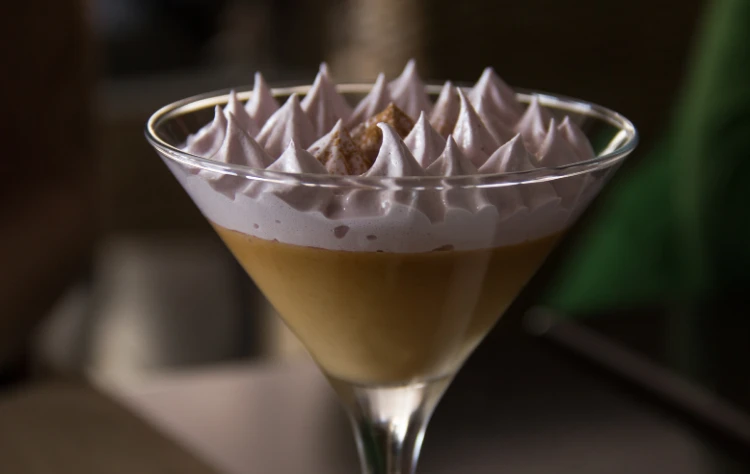
The coastal capital has played a central role in shaping Peru’s dessert identity.
In Lima, convent kitchens during the colonial period refined sweets that remain emblematic today. Suspiro a la limeña, with its delicate balance of caramelized milk and meringue, reflects this history of precision and restraint. It is rich without heaviness, sweet without excess.
Kuoda introduces Lima’s dessert culture through intimate, context-rich encounters. Visits emphasize understanding origin and timing rather than sampling volume. Desserts appear as part of a meal or moment, reinforcing their cultural placement.
Here, peru desserts express refinement rather than display.
Peru Desserts Beyond the Capital
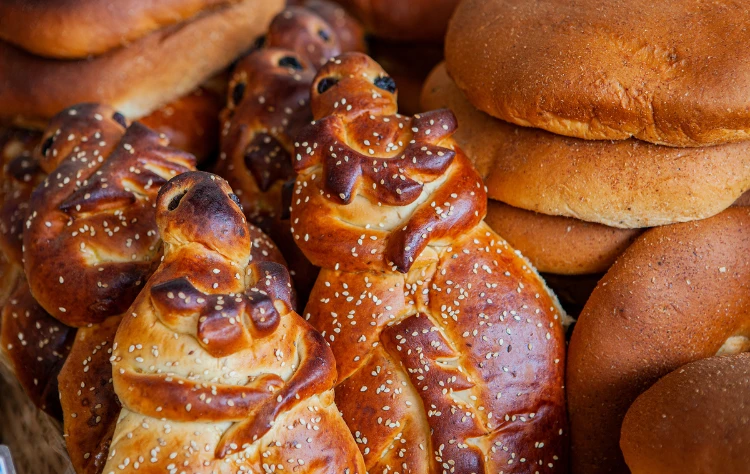
Outside Lima, desserts follow geography.
In the Andes, altitude and climate favor preparations based on grains, fruits, and slow cooking methods. Sweets are often tied to festivals or agricultural cycles rather than daily consumption. Ingredients such as quinoa, cañihua, and native tubers shape texture and flavor subtly.
In these regions, desserts are less about sugar and more about sustenance and ritual. Kuoda designs experiences that allow travelers to observe how sweets align with seasonal rhythms, often shared communally rather than served individually.
This context deepens understanding of how peru desserts vary meaningfully across regions.
Street Traditions and Social Ritual
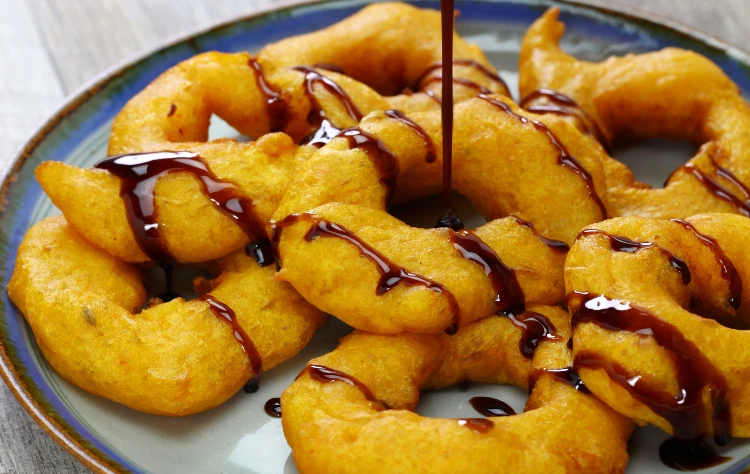
Some of Peru’s most enduring desserts are encountered informally.
Picarones, ring-shaped fritters made from squash and flour, are traditionally sold in the late afternoon and evening. Their preparation follows a rhythm tied to community life rather than convenience. The act of stopping to eat them is social, almost ceremonial.
Kuoda introduces street food traditions selectively and thoughtfully. Timing, setting, and context matter more than novelty. Encounters are designed to feel natural rather than performative.
Through these moments, peru desserts reveal their role in everyday connection.
Ingredients as Cultural Anchors
Peru’s biodiversity shapes its desserts as much as its savory cuisine.
Native fruits, honey, maize varieties, and spices appear in sweets that reflect regional identity. The choice of ingredient is often practical, shaped by availability and preservation methods refined over generations.
Kuoda integrates ingredient-focused experiences that emphasize sourcing and seasonality. Conversations with producers and cooks highlight how dessert traditions remain tied to land and climate.
This approach reinforces the idea that sweetness in Peru is grounded rather than indulgent.
Contemporary Interpretations Without Displacement
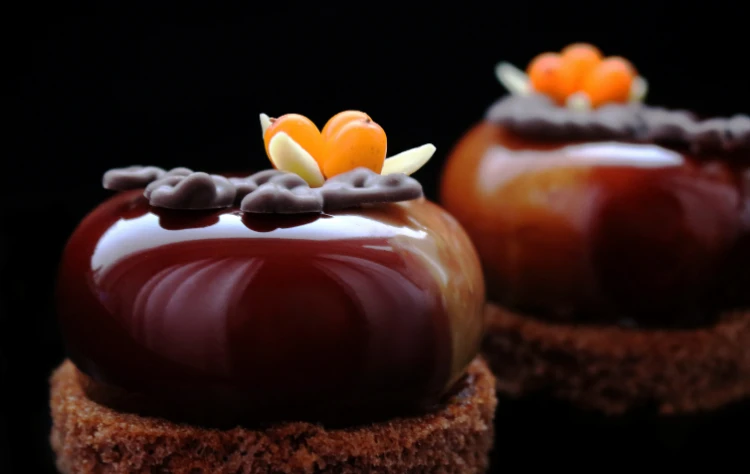
Modern Peruvian chefs have brought renewed attention to dessert traditions.
Contemporary kitchens reinterpret classic sweets with subtle adjustments, often highlighting native ingredients or refining technique. Importantly, these reinterpretations do not displace tradition. They coexist alongside it.
Kuoda introduces contemporary dessert experiences when they enhance understanding rather than overshadow origin. The emphasis remains on continuity rather than reinvention for its own sake.
This balance reflects Peru’s broader culinary philosophy.
Sustainability and Culinary Heritage
Dessert traditions are sustained through practice.
Local sourcing, seasonal preparation, and small-scale production support culinary continuity. Kuoda approaches food experiences with sensitivity to this ecosystem.
Through responsible travel practices and initiatives connected to the Kaypi Kunan Foundation, Kuoda supports communities where culinary knowledge is preserved through daily use rather than documentation alone.
Here, sustainability is implicit, embedded in how food is made and shared.
Frequently Asked Questions
What are the most traditional Peru desserts?
Traditional Peru desserts include preparations such as Suspiro a la limeña, picarones, and region-specific sweets based on maize, fruits, and grains.
Do desserts vary significantly by region in Peru?
Yes. Coastal, Andean, and Amazonian regions each reflect distinct ingredients, techniques, and cultural rhythms.
Are dessert experiences suitable for travelers seeking moderation?
Absolutely. Peruvian desserts emphasize balance and portion rather than excess. Kuoda integrates them thoughtfully into broader culinary journeys.
Can dessert traditions be experienced outside major cities?
Yes. Many of the most meaningful dessert encounters occur in smaller communities and local settings when approached with care.
When Sweetness Carries Memory
Peru desserts do not seek attention. They reward attention.
Through texture, timing, and restraint, they carry stories of migration, adaptation, and continuity. They appear when needed and recede without insistence.
Kuoda’s role is to place these moments where they belong. Within meals, festivals, and daily life. Designed with the same care that defines every journey.
In doing so, sweetness becomes more than flavor. It becomes understanding, one quiet, well-timed moment at a time.

What Hispanic Country Has the Best Food? A South American Answer Shaped by the Way You Travel
It is a question that comes up again and again, usually halfway through a meal. Sometimes it’s whispered ove...
Read Post
La Paz Food: A High-Altitude Culinary Journey with Cultural Depth
Introduction: Altitude, Flavor, and Identity in Every Dish Perched at over 3,600 meters above sea level, ...
Read Post
Best Destinations in South America for Foodies
Introduction Some travelers chase landscapes. Others chase stories. But there is a special kind of traveler w...
Read Post
8 DAYS
Luxury Machu Picchu Tours: Unveiling Peru’s Timeless Wonders
Cusco, Lima, Machu Picchu, Sacred Valley

8 DAYS
Peru Family Vacation: Journey to Machu Picchu and Beyond
Cusco, Lima, Machu Picchu, Sacred Valley

11 DAYS
Amazon River Cruise: A Luxury Journey Through the Amazon
Lima, Cusco, Sacred Valley, Machu Picchu, Iquitos, Amazon River