June 22, 2026 | by: Kuoda Authors


Peru is one of the rare destinations that can genuinely engage multiple generations at once without feeling simplified for any of them.
Grandparents, parents, and children often connect to the country through entirely different dimensions. One traveler may be drawn toward archaeology and history, another toward wildlife or cuisine, another toward textiles, photography, or the physical experience of the Andes themselves. Peru accommodates these differences unusually well because the country operates through layers rather than a single dominant experience.
But this also makes multi-generational travel to Peru more complex than many travelers initially expect.
The challenge is not simply finding activities for different age groups. It is designing a journey where varying energy levels, interests, attention spans, and travel rhythms can coexist naturally without the experience becoming fragmented or exhausting for part of the group.
The strongest family journeys are rarely the busiest ones. They are the ones where everyone feels able to remain fully present.
Peru Rewards Shared Discovery
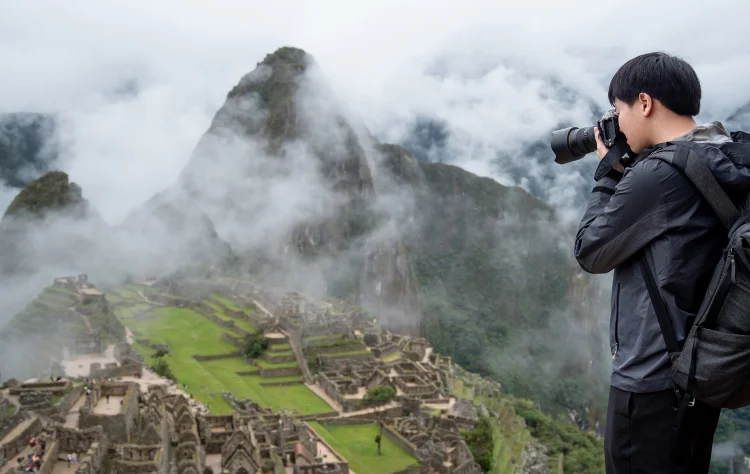
One of the reasons Peru works so well for multi-generational travel is that the country naturally creates moments of collective discovery.
Machu Picchu, for example, tends to affect travelers differently depending on age and perspective, yet the site still creates a shared emotional experience across generations. The same is true in the Sacred Valley, where agricultural traditions, weaving communities, and Andean landscapes often spark curiosity in entirely different ways for different family members.
Children tend to respond strongly to visual and sensory immersion. Older travelers often connect more deeply to historical continuity, cultural preservation, or slower observation. Peru allows both experiences to exist simultaneously without forcing the journey into overly educational or entertainment-driven structures.
This balance matters enormously.
Multi-generational travel to Peru works best when the country itself becomes the point of connection rather than when itineraries attempt to separate each generation into completely different experiences throughout the trip.
Why Pacing Matters More Than Activity Volume
One of the most common mistakes in multi-generational Peru itineraries is overestimating how much movement the group can absorb comfortably.
Peru involves altitude, transitions between regions, early departures, and emotionally significant environments that can become surprisingly tiring when compressed too aggressively. Adults traveling alone may tolerate this more easily. Families moving across generations usually experience fatigue differently and at different moments.
This is where thoughtful pacing changes the quality of the journey completely.
The strongest itineraries create enough flexibility for travelers to engage at different levels without anyone feeling left behind or constantly rushed. A slower morning in the Sacred Valley often improves the entire trip more than adding another archaeological stop. Additional nights in fewer locations usually create more meaningful immersion than attempting to maximize regional coverage.
Peru responds particularly well to this approach because the country reveals itself gradually.
The Andes are not experienced best through speed. Neither are families.
The Sacred Valley as a Multi-Generational Anchor
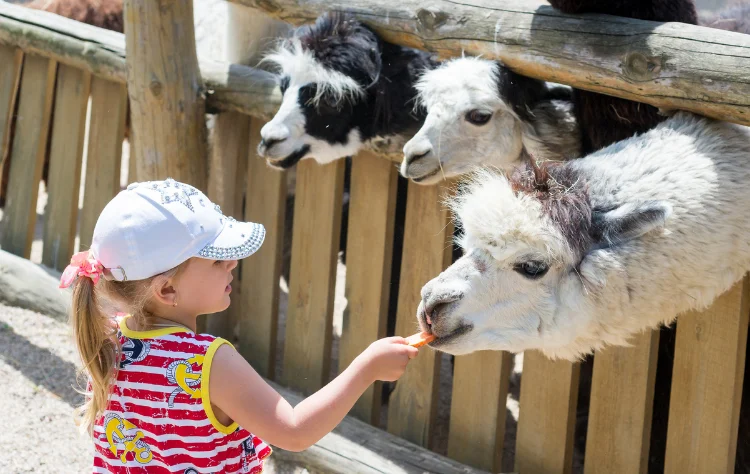
For many families, the Sacred Valley becomes the emotional center of the Peru journey.
Operationally, the region works beautifully because the altitude is gentler than Cusco, movement between experiences feels manageable, and the landscape itself creates calm between more active days. Emotionally, the valley introduces Peru gradually.
Families often settle into a more natural rhythm here.
Children notice llamas moving across the hillsides and traditional weaving demonstrations. Parents begin adjusting to the slower Andean pace. Older travelers frequently appreciate the balance between cultural depth and physical accessibility. Meals feel less hurried. Distances feel softer. The experience becomes less about “seeing Peru” and more about inhabiting it temporarily.
This continuity matters enormously in multi-generational travel.
The Sacred Valley allows Peru to feel shared rather than segmented.
Machu Picchu and Designing the Experience Carefully
Machu Picchu often becomes the focal point around which the rest of the itinerary is built, but multi-generational travel to Peru requires approaching the experience differently than many travelers expect.
The site itself is physically manageable for most travelers when pacing is handled thoughtfully. What tends to create difficulty is everything surrounding it:
- rushed transfers
- aggressive scheduling
- altitude fatigue
- poorly timed sequencing
- insufficient recovery time beforehand
Families frequently underestimate how much smoother the experience becomes when the journey toward Machu Picchu unfolds gradually.
For some groups, the train journey through the Sacred Valley creates the ideal balance of accessibility and immersion. Others may incorporate shorter walks or more active experiences depending on the family’s energy and interests. The key is designing around the group rather than around a fixed idea of how Machu Picchu “should” be experienced.
The strongest family experiences are rarely defined by pushing everyone toward the same pace.
They are shaped around flexibility and continuity.
Why Peru’s Culinary Culture Works So Well for Families

Food often becomes one of the most unexpectedly unifying aspects of multi-generational travel to Peru.
Peruvian cuisine offers enough diversity and regional variation that travelers across generations usually find natural points of connection. Markets, cooking experiences, slower family-style meals, and regional specialties often create moments where the trip feels shared in a more relaxed and informal way than structured sightseeing.
This becomes particularly important because family travel depends partly on creating breathing space between major experiences.
Not every meaningful moment needs to happen at a landmark.
In Peru, long lunches overlooking the Sacred Valley, quiet dinners after days in the Andes, or market visits in Lima often become just as memorable as major archaeological sites themselves.
The Importance of Flexibility
Multi-generational travel requires accepting that different family members experience the same destination differently.
Some travelers need slower mornings. Others want more active exploration. Children may adapt surprisingly well one day and become exhausted the next. Older travelers may appreciate cultural depth while requiring more recovery time physically.
Rigid itineraries tend to amplify these differences negatively. Flexible design softens them.
This is one reason private travel becomes especially valuable in Peru for families. Adjusting timing naturally, modifying pacing, or creating optional layers within the itinerary allows the journey to remain cohesive without becoming restrictive.
From our base in South America, we regularly see how much emotional atmosphere improves when families stop trying to optimize every hour and begin allowing Peru to unfold more naturally around the group itself.
Peru and the Emotional Value of Shared Memory
One of the reasons Peru resonates so strongly for family travel is that the country creates shared reference points that continue long after the trip ends.
The landscapes are visually distinctive. The cultural depth feels emotionally substantial. The transitions between environments remain memorable. Travelers across generations often carry different individual memories from the journey while still feeling connected to the same larger experience.
This is difficult to create in destinations built primarily around entertainment or speed.
Peru tends to invite conversation and reflection afterward because the country operates through atmosphere and continuity as much as activity itself.
Sustainability and Responsible Family Travel
Multi-generational travel to Peru also creates opportunities for more thoughtful and responsible tourism.
Families moving more slowly, staying longer in fewer places, and engaging more deeply with local communities often experience Peru more meaningfully while also reducing the pressure created by rushed, high-volume tourism patterns.
Children especially tend to absorb more when experiences feel grounded rather than performative.
Travel becomes more valuable when families encounter Peru as a living cultural environment rather than simply a collection of attractions.
FAQs
Is Peru good for multi-generational travel?
Yes. Peru works exceptionally well for multi-generational travel because it combines cultural depth, diverse landscapes, excellent cuisine, and flexible experiences that can engage travelers of different ages simultaneously.
How should families pace a Peru itinerary?
The strongest family itineraries usually involve slower pacing, additional nights in fewer locations, and enough flexibility to accommodate varying energy levels across generations.
Is Machu Picchu suitable for older travelers and children?
For most families, yes. The experience becomes much smoother when altitude adaptation, timing, and overall itinerary pacing are handled thoughtfully beforehand.
What regions work best for multi-generational travel to Peru?
Many families combine Lima, the Sacred Valley, and Machu Picchu, while others add the Amazon or Lake Titicaca depending on interests and desired pacing.
When Travel Begins to Feel Shared
Multi-generational travel to Peru is rarely about finding experiences that appeal equally to everyone at every moment. The strength of the journey comes from creating enough continuity that different generations can experience the country together while still connecting to it individually. Over time, families often remember less about specific schedules and more about the feeling of moving through Peru collectively: adjusting gradually to the Andes, sharing meals after long days of exploration, watching landscapes change together from train windows and mountain roads. Peru has a remarkable ability to create journeys where the experience feels both deeply personal and genuinely shared at the same time.

Patagonia Trekking and the Discipline of Moving Through Open Space
Patagonia does not reveal itself quickly. It exists at a scale that resists compression. Distances are wide...
Read Post
Ecuador Private Travel and the Value of Experiencing Contrast Thoughtfully
Ecuador is one of South America’s most concentrated countries emotionally and geographically. Within rela...
Read Post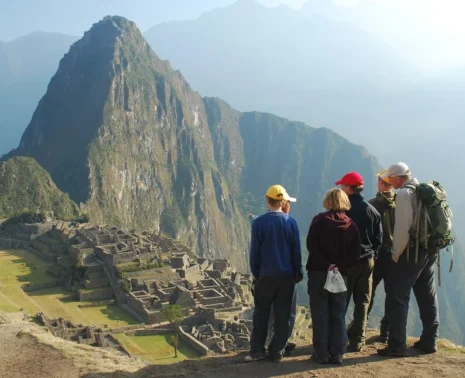
Best Peru Family Itineraries and the Importance of Traveling at the Right Rhythm Together
Peru is one of the rare destinations that genuinely works across generations. Children experience the count...
Read Post
8 DAYS
Luxury Machu Picchu Tours: Unveiling Peru’s Timeless Wonders
Cusco, Lima, Machu Picchu, Sacred Valley

8 DAYS
Peru Family Vacation: Journey to Machu Picchu and Beyond
Cusco, Lima, Machu Picchu, Sacred Valley

11 DAYS
Amazon River Cruise: A Luxury Journey Through the Amazon
Lima, Cusco, Sacred Valley, Machu Picchu, Iquitos, Amazon River