January 07, 2026 | by: Kuoda Authors


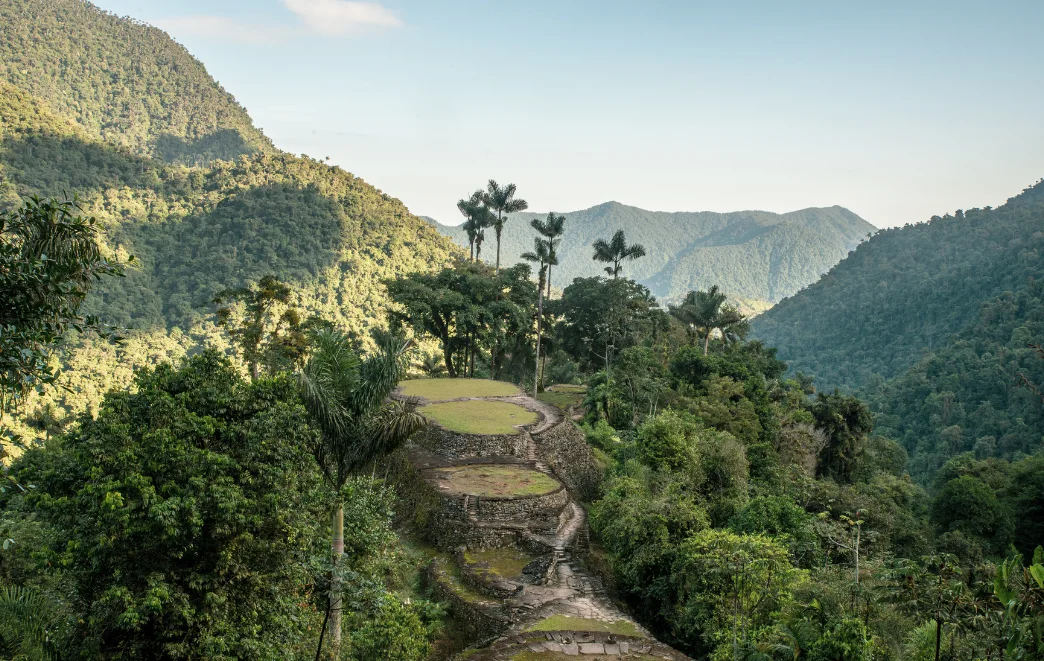
Long before Machu Picchu emerged into the global imagination, another city lay hidden beneath forest and time. Stone paths disappeared under vines. Terraces softened into jungle. The mountains closed in, protecting what remained.
Today, when travelers speak of the lost city south america, they are almost always referring to Ciudad Perdida, the Lost City of Colombia. Older than Machu Picchu by centuries, and far more remote, it exists not as a monument revealed all at once, but as a place slowly earned.
Ciudad Perdida does not announce itself. It reveals itself, step by step, after days of walking through the Sierra Nevada de Santa Marta, guided by those whose ancestors have always known it was there.
Kuoda approaches this journey with deep respect. Not as an expedition to conquer, but as a passage into living history, shaped by care, cultural understanding, and intentional pacing.
Why the Lost City of South America Matters to Discerning Travelers
Luxury travel is often misunderstood as ease alone. In truth, it is about access with intelligence. Knowing when effort enhances meaning, and when comfort preserves perspective.
The Lost City is not for travelers seeking spectacle without context. It speaks to those who value story, lineage, and the idea that some places still require patience and humility.
For Kuoda travelers, Ciudad Perdida represents something rare: a site that has not been smoothed for mass tourism. Its power lies in what remains intact, including the role of Indigenous communities who continue to protect it.
The Lost City of South America: Understanding Ciudad Perdida
Ciudad Perdida was built by the Tayrona civilization around the 8th century. Long before European contact, it functioned as a political, spiritual, and economic center connected by stone paths to the Caribbean coast and surrounding mountains.
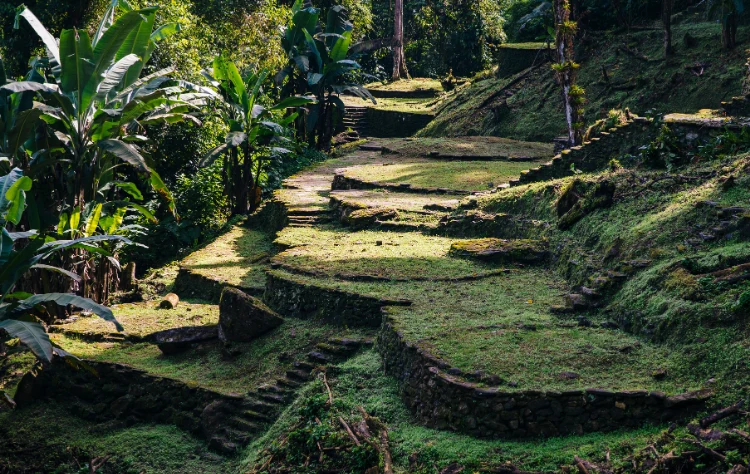
Unlike cities designed for display, Ciudad Perdida was designed for relationship. Terraces align with natural contours. Staircases follow the slope of the land. Water systems reflect sophisticated environmental understanding.
For centuries, the jungle reclaimed it. When it resurfaced in the 1970s, it did so without fanfare, still guarded by Indigenous communities who consider it sacred rather than abandoned.
This context matters. Without it, the journey loses its meaning.
Reaching the Lost City, the Kuoda Way
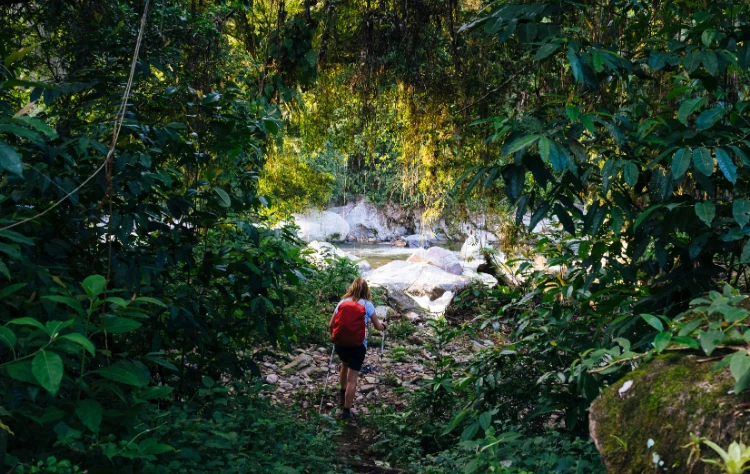
The trek to Ciudad Perdida is physically demanding, but it does not need to be chaotic or rushed. Kuoda designs this journey with a focus on rhythm rather than endurance.
Pacing Over Pressure
Rather than compressing the trek into the shortest possible time, Kuoda prioritizes balance. Days are structured to allow rest, conversation, and acclimatization. This approach reduces strain and deepens engagement.
Trusted Local Expertise
Kuoda works exclusively with vetted local guides, including members of the region’s Indigenous communities. Their presence transforms the trek from a hike into a cultural exchange grounded in respect.
Thoughtful Comfort
While the route requires overnight stays in mountain camps, Kuoda ensures standards of cleanliness, nourishment, and organization that preserve dignity without diminishing authenticity.
Luxury here is not excess. It is care.
What Makes This Journey Different From Other “Lost Cities”
Many destinations labeled as lost cities are now easily accessed, photographed, and left behind within hours. Ciudad Perdida resists that pattern.
There is no single dramatic reveal. Instead, the city unfolds gradually. A terrace here. A staircase there. The realization that the forest is not hiding the site, but holding it.
For travelers accustomed to curated experiences, this gradual unveiling creates a different kind of intimacy. One rooted in presence rather than performance.
Cultural Respect at the Core of the Experience
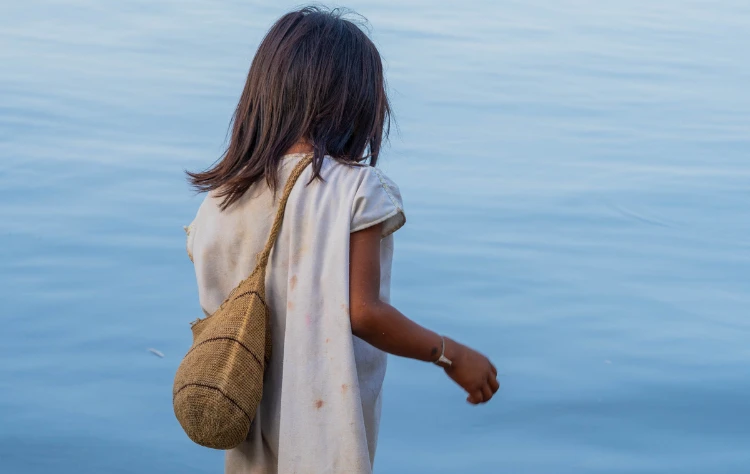
The Sierra Nevada is home to several Indigenous groups, including the Kogi, Wiwa, Arhuaco, and Kankuamo. For them, Ciudad Perdida is not a relic, but part of a living spiritual landscape.
Kuoda designs journeys that acknowledge this reality. Guests are briefed carefully on cultural protocols. Guides share perspectives that prioritize understanding over interpretation.
This respect is not symbolic. It shapes how the journey is conducted, and how travelers leave the place they entered.
Beyond the Trek: Integrating the Lost City Into a Broader Journey
Kuoda rarely designs Ciudad Perdida as a standalone experience. Instead, it becomes part of a larger Colombian journey.
After the trek, travelers often transition to the Caribbean coast, where colonial Cartagena offers contrast and restoration. Others continue into Colombia’s Coffee Region, allowing the body to rest while the experience settles.
This sequencing matters. It allows the Lost City to resonate rather than exhaust.
Sustainability and Stewardship
Ciudad Perdida survives because access is controlled and responsibility is shared. Kuoda supports this model by limiting group sizes, working with local operators committed to conservation, and ensuring that tourism benefits remain within the region.
Kuoda is a climate-positive company, offsetting more carbon than we emit. Through the Kaypi Kunan Foundation, we also support education and cultural preservation in Andean communities, reinforcing our belief that meaningful travel must protect what it touches.
Why Kuoda Is the Right Partner for This Journey
The Lost City of South America demands more than logistics. It requires judgment.
Kuoda’s strength lies in knowing who this journey is for, and how to design it so that effort leads to insight rather than fatigue. Our private, tailor-made approach ensures that each traveler’s physical comfort, curiosity, and cultural sensitivity are respected.
As a Tripadvisor Travelers’ Choice 2025 award winner, Kuoda is recognized among the top ten percent of travel experiences globally. That trust is earned through consistency, discretion, and care, especially in journeys where stakes are high.
FAQs About the Lost City of South America
What is the lost city south america refers to?
It most commonly refers to Ciudad Perdida in Colombia, an ancient Tayrona city hidden in the Sierra Nevada de Santa Marta.
Is the Lost City trek suitable for luxury travelers?
Yes, when designed thoughtfully. Kuoda focuses on pacing, expert guidance, and comfort appropriate to the environment.
How physically demanding is the journey?
The trek requires good fitness, but Kuoda structures the experience to avoid unnecessary strain.
Can the Lost City be combined with other destinations?
Absolutely. Many travelers pair it with Cartagena or Colombia’s Coffee Region for balance and recovery.
A Place Earned, Not Consumed
The Lost City of South America does not ask to be discovered again. It asks to be approached with humility.
Ciudad Perdida offers something increasingly rare in modern travel: an experience that cannot be rushed, replicated, or reduced to a photograph. It rewards those willing to move slowly, listen carefully, and leave changed.
Kuoda designs journeys to places like this with intention and restraint. If you are ready to experience the Lost City not as an adventure to check off, but as a story to step into, we will guide you there with care.
Argentina Family Travel, Designed for Curiosity, Comfort, and Connection
Family travel evolves. What once revolved around entertainment and logistics gradually becomes about shared...
Read Post
Salt Mines Peru: A Landscape Shaped by Patience and Continuity
Where Time Moves Grain by Grain Some landscapes announce their importance through scale. Others reveal it thr...
Read Post
A Thoughtful Trip to Buenos Aires, Shaped by Culture, Rhythm, and Care
Buenos Aires does not try to impress. It reveals itself gradually. At first, the city feels familiar. Europ...
Read Post
8 DAYS
Luxury Machu Picchu Tours: Unveiling Peru’s Timeless Wonders
Cusco, Lima, Machu Picchu, Sacred Valley

8 DAYS
Peru Family Vacation: Journey to Machu Picchu and Beyond
Cusco, Lima, Machu Picchu, Sacred Valley

11 DAYS
Amazon River Cruise: A Luxury Journey Through the Amazon
Lima, Cusco, Sacred Valley, Machu Picchu, Iquitos, Amazon River