January 14, 2026 | by: Kuoda Authors


Carnaval in Ecuador is not one celebration. It is many, unfolding simultaneously across regions shaped by altitude, ancestry, and tradition. Water and flowers replace confetti. Music drifts through mountain towns rather than echoing from stadiums. Laughter, not spectacle, carries the day.
For travelers encountering carnaval Ecuador for the first time, the experience can feel both joyful and disarming. There is no single parade to follow, no fixed script. Instead, the celebration reveals itself through small interactions. A bucket of water thrown with a grin. A plate of seasonal food offered without ceremony. A town square that becomes communal rather than performative.
Kuoda approaches Carnaval not as an event to be consumed, but as a cultural moment to be entered with sensitivity, context, and care. When experienced thoughtfully, it becomes one of the most intimate ways to understand Ecuador.
Why Carnaval Ecuador Matters to Discerning Travelers

Luxury travel often prioritizes polish and predictability. Carnaval offers the opposite, and that is precisely why it matters.
This is a celebration rooted in renewal, agriculture, and community. Its origins predate colonial calendars, tied to seasonal cycles and Andean cosmology. Catholic influences later layered onto existing rituals, creating a festival that is both ancient and evolving.
For travelers who value cultural depth, Carnaval offers something rare. Not a performance staged for visitors, but a living tradition where participation is welcomed, not curated.
Kuoda designs journeys that allow guests to observe, engage, and step back when appropriate. That balance is essential.
Understanding Carnaval Ecuador Across Regions
Carnaval shifts dramatically depending on where you are. Geography shapes not only the landscape, but the character of the celebration itself.
The Highlands: Ritual, Water, and Community

In Ecuador’s Andean highlands, Carnaval is marked by water rituals symbolizing cleansing and renewal. In towns like Cuenca, Riobamba, and communities near the Sacred Lakes, water becomes a language of connection.
Children and elders alike participate. Streets turn playful. Music blends Indigenous rhythms with modern influences. Traditional foods appear that are prepared only at this time of year.
Kuoda integrates highland Carnaval experiences through local guides who understand the unspoken rules. Where to join in. Where to observe quietly. How to move through the day respectfully.
This guidance transforms what could feel chaotic into something deeply human.
Cuenca: Elegance Within Celebration

Cuenca offers a more measured expression of Carnaval. The historic center becomes animated, but retains its grace. Flower petals replace buckets. Families gather in plazas. Markets brim with seasonal produce.
For travelers seeking refinement without distance, Cuenca is ideal. Kuoda designs stays in boutique hotels within restored colonial homes, allowing guests to step into the celebration and retreat when needed.
Here, Carnaval feels social rather than overwhelming, communal rather than crowded.
The Coast: Music, Movement, and Rhythm
Along Ecuador’s coast, Carnaval takes on a different energy. Music becomes louder. Dancing spills into streets. Afro-Ecuadorian traditions influence rhythm and expression.
This is a celebration rooted in movement and sound, where the line between participant and observer quickly dissolves.
Kuoda approaches coastal Carnaval selectively, focusing on experiences that feel authentic rather than chaotic. Private local hosts, cultural context, and thoughtful timing ensure that guests feel welcomed rather than swept along.
Food as the Heart of Carnaval
Carnaval is also a culinary moment.
Across Ecuador, families prepare dishes tied specifically to the season. Fanesca, a rich soup made with grains, legumes, and fish, appears on tables nationwide. It is symbolic, communal, and deeply rooted in tradition.
Kuoda incorporates culinary experiences that bring meaning to these meals. Private cooking sessions. Market visits guided by local experts. Shared meals where stories accompany each dish.
Food during Carnaval is not a side note. It is a language of belonging.
Experiencing Carnaval Ecuador With Kuoda
Kuoda designs Carnaval journeys with intentional pacing and discretion. This is not a festival to rush or over-schedule.
Our approach emphasizes:
- local guides who provide cultural framing
- boutique accommodations that offer comfort and retreat
- flexible itineraries that adapt to how celebrations unfold
- private experiences that respect community boundaries
Travelers are never pushed to participate. They are invited, gently, and supported in choosing how deeply to engage.
Boutique Accommodations That Support the Experience
During Carnaval, where you stay matters more than usual. Retreat and rest are essential to balance the energy of the celebration.
Kuoda selects boutique hotels and haciendas that offer quiet spaces, attentive service, and proximity without immersion overload. These properties allow travelers to process the experience rather than escape it.
Luxury here is not insulation from culture. It is the ability to re-enter it refreshed.
Seamless Logistics During a Fluid Celebration
Carnaval does not follow strict schedules. Roads may close. Events shift organically. This is where local expertise becomes essential.
Kuoda’s on-the-ground coordination ensures that transportation, timing, and access remain smooth even as the celebration evolves. Guests feel supported without feeling managed.
This is one of the most overlooked aspects of Carnaval travel, and one of the most important.
Sustainability and Respect During Carnaval
Festivals place pressure on communities. Responsible travel during Carnaval means moving with awareness.
Kuoda is a climate-positive company, offsetting more carbon than we emit. We work with local partners who prioritize community wellbeing and cultural preservation.
Through the Kaypi Kunan Foundation, Kuoda supports education and cultural continuity in Andean communities, ensuring that traditions like Carnaval remain lived rather than commodified.
FAQs About Carnaval Ecuador
What is carnaval Ecuador known for?
Carnaval Ecuador is known for water rituals, regional traditions, seasonal food, and community-based celebrations rather than large-scale parades.
Is Carnaval Ecuador suitable for luxury travelers?
Yes, when experienced thoughtfully. With local guidance and boutique accommodations, Carnaval can be both immersive and comfortable.
When does Carnaval take place in Ecuador?
Carnaval typically occurs in February or early March, aligned with the Catholic calendar, though traditions vary by region.
Can Carnaval be combined with other destinations in Ecuador?
Absolutely. Many travelers pair Carnaval with the Galápagos, the Amazon, or a cultural city stay for balance.
A Celebration That Reveals More Than It Entertains
Carnaval Ecuador is not about spectacle. It is about connection. To land. To season. To community.
For travelers willing to approach it with curiosity and respect, it offers one of the most revealing cultural experiences in South America. Moments of laughter. Moments of reflection. Moments where you are not watching culture, but briefly sharing in it.
Kuoda designs journeys that honor these moments. With care, discretion, and deep local knowledge, we ensure that Carnaval becomes not just a highlight, but a meaningful chapter within a larger journey.
When you are ready to experience Ecuador beyond the expected, Kuoda will guide you there, at the right pace, for the right reasons.
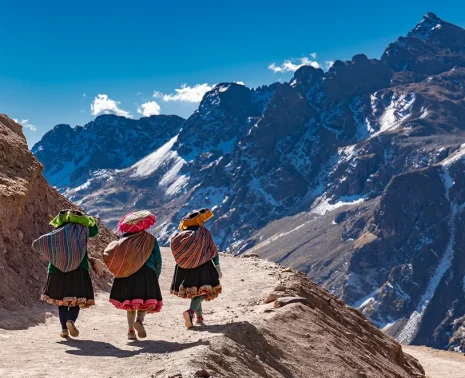
Qoyllur Riti: Pilgrimage, Ice, and the Endurance of Andean Faith
A Gathering Beyond the Language of Festivals High in the southern Andes of Peru, where altitude thins the...
Read Post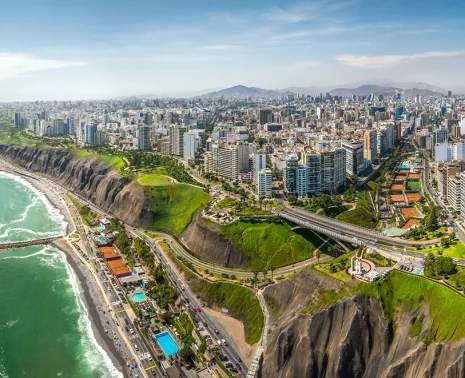
Chabuca Granda: Music, Memory, and the Soul of Coastal Peru
A Voice That Still Shapes the City Some artists belong to a moment. Others become inseparable from a place. ...
Read Post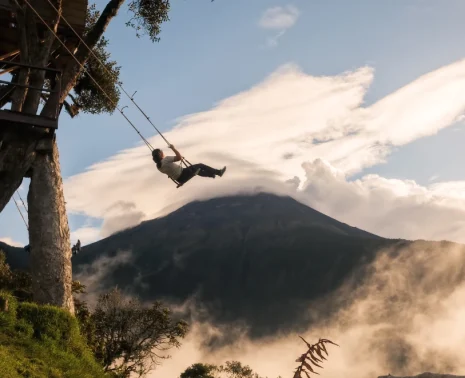
Top Things to Do in Ecuador: Tailor‑Made Journeys with Kuoda
Ecuador welcomes you with unexpected diversity ‑ shimmering Pacific beaches, verdant cloud forests, Andean p...
Read Post
8 DAYS
Luxury Machu Picchu Tours: Unveiling Peru’s Timeless Wonders
Cusco, Lima, Machu Picchu, Sacred Valley

8 DAYS
Peru Family Vacation: Journey to Machu Picchu and Beyond
Cusco, Lima, Machu Picchu, Sacred Valley

11 DAYS
Amazon River Cruise: A Luxury Journey Through the Amazon
Lima, Cusco, Sacred Valley, Machu Picchu, Iquitos, Amazon River