February 04, 2026 | by: Kuoda Authors


A Voice That Still Shapes the City
Some artists belong to a moment. Others become inseparable from a place.
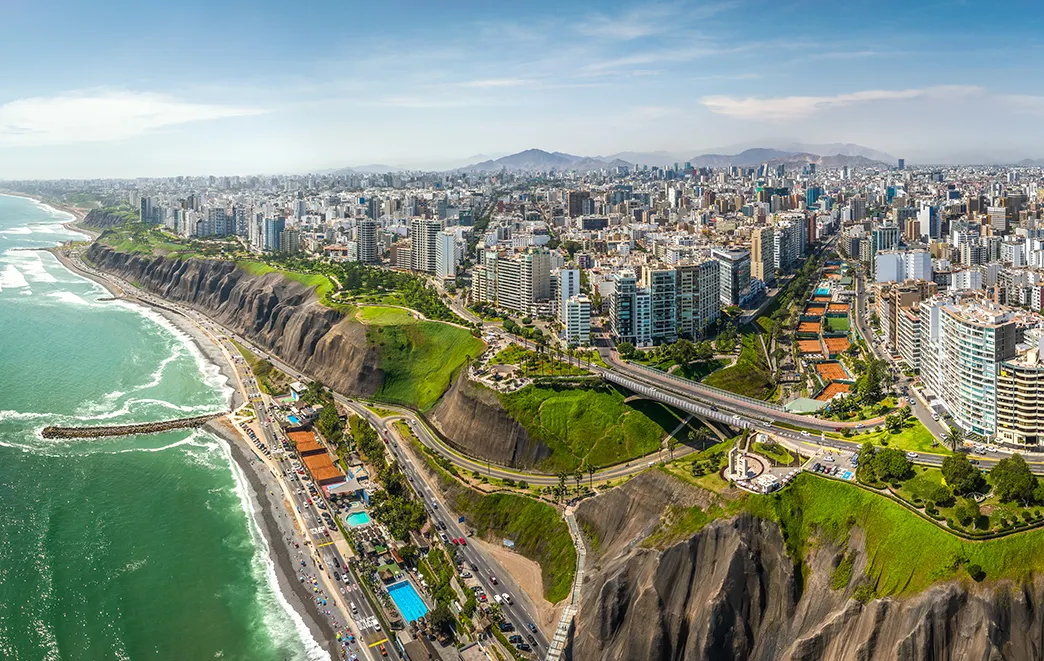
Chabuca Granda belongs to Lima in a way that transcends biography. Her music does not simply reference the city. It articulates how Lima feels. Measured, introspective, quietly emotional. To understand her work is to gain access to a coastal sensibility shaped by memory, restraint, and layered identity.
For travelers who value cultural literacy as part of their journey, engaging with Chabuca Granda offers more than musical appreciation. It offers orientation. A way of listening to Peru beyond its monuments.
Lima as Cultural Landscape
Chabuca Granda’s Lima is not the capital of government or commerce. It is a city of moods and micro-histories. Balconies, streets, afternoons suspended in time.
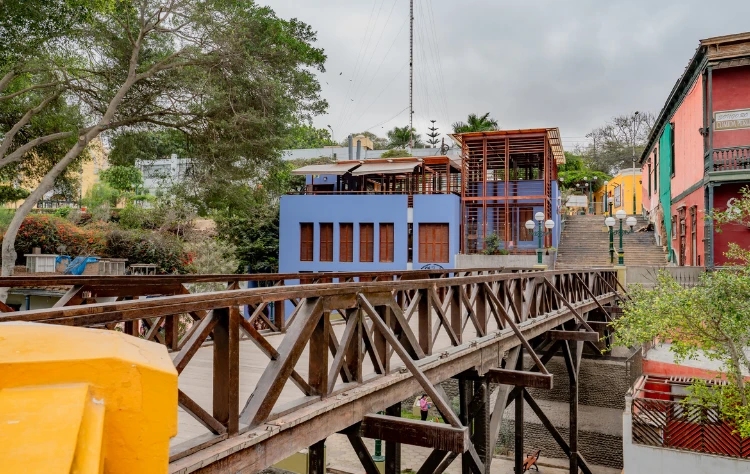
Much of her work is associated with Barranco, a coastal neighborhood long known for artists, writers, and musicians. Barranco’s character mirrors the tone of her compositions. Thoughtful rather than loud. Expressive without excess.
Walking through Barranco today, travelers encounter layers of continuity. Colonial architecture softened by sea air. Cafés and galleries that occupy historic homes. The iconic Puente de los Suspiros, immortalized in song, remains less a landmark than a pause in the urban rhythm.
Chabuca Granda and Peruvian Identity
Born María Isabel Granda y Larco, Chabuca Granda reshaped Música Criolla by expanding its emotional and poetic range. Her compositions blended Afro-Peruvian rhythms, Spanish lyricism, and personal reflection into something both intimate and expansive.
At a time when criolla music was often associated with nostalgia or festivity, she introduced complexity. Songs that lingered rather than resolved. Lyrics that suggested memory rather than declared it.
This evolution matters because it reflects a broader Peruvian identity. One that resists simplification. One that holds contradiction quietly.
Why Her Work Endures
Chabuca Granda’s most well-known compositions are still performed, reinterpreted, and referenced across generations. Not because they are preserved, but because they remain relevant.
Her music invites listening rather than consumption. It rewards familiarity. The more one knows Lima, the more her lyrics reveal. Social hierarchies, racial histories, affection for tradition paired with critical distance.
For culturally curious travelers, this offers a lens through which Peru becomes legible beyond archeology or gastronomy. It becomes emotional geography.
Experiencing Chabuca Granda Through Place
Kuoda does not treat cultural figures as footnotes. When Chabuca Granda is inroduced, it is through context and connection.
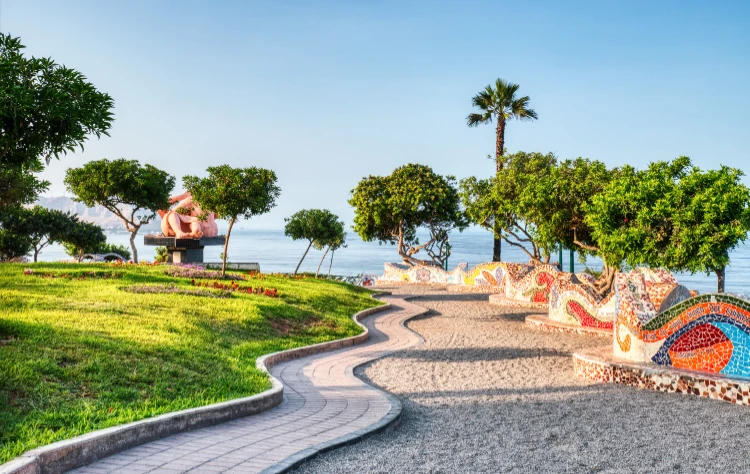
In Lima, this may take the form of a private walk through Barranco with a guide who understands the neighborhood’s artistic lineage. Conversations unfold naturally. Music may surface incidentally rather than being staged. A café where criolla melodies drift in the background. A courtyard where poetry once circulated.
Luxury here is subtle. It is the absence of interruption. The ability to engage deeply without explanation fatigue.
The Role of Music in Travel
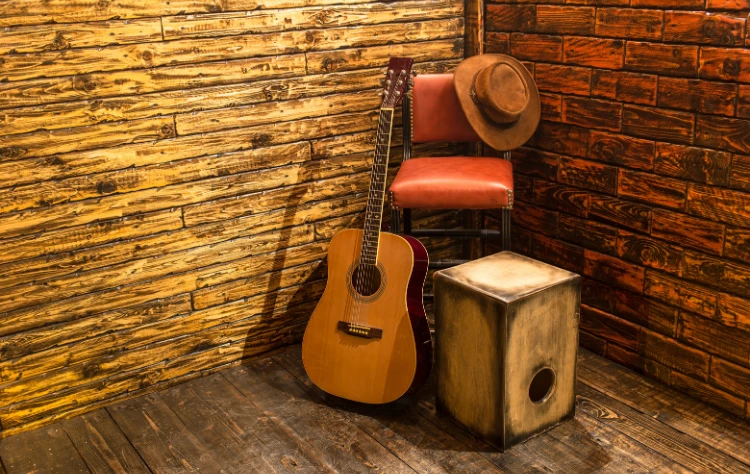
Music anchors memory. Long after images fade, melodies persist.
For Kuoda travelers, cultural engagement is never about performance or spectacle. It is about resonance. Chabuca Granda’s work creates that resonance by articulating a Peru that feels lived in rather than observed.
This aligns with Kuoda’s broader philosophy as a local experience curator. Experiences are designed to integrate quietly, allowing travelers to sense continuity rather than contrast.
Sustainability and Cultural Continuity
Cultural sustainability extends beyond preservation. It depends on relevance.
By engaging with living traditions like música criolla and the legacy of artists such as Chabuca Granda, travelers support a cultural ecosystem that continues to evolve. Kuoda’s approach emphasizes respectful engagement, working with local historians, musicians, and cultural guides whose knowledge is active rather than archival.
This perspective complements Kuoda’s commitment to climate-positive travel and community engagement through the Kaypi Kunan Foundation. Culture, like environment, thrives when treated as living context.
Frequently Asked Questions
Who was Chabuca Granda?
Chabuca Granda was a Peruvian composer and singer whose work redefined música criolla, offering a poetic and emotionally nuanced portrayal of Lima and coastal Peru.
Why is Chabuca Granda important to Peruvian culture?
Her music articulated a complex urban identity, blending tradition with introspection and influencing generations of musicians and cultural thinkers.
Where can travelers experience her legacy in Lima?
Barranco remains the neighborhood most closely associated with her work, offering cultural spaces, music, and atmosphere connected to her legacy.
Can Kuoda include cultural experiences related to Chabuca Granda?
Yes. Kuoda curates private, context-rich experiences in Lima that may include music, history, and neighborhood exploration when aligned with traveler interests.
Listening as a Way of Arrival
To encounter Chabuca Granda is not to check off a cultural reference. It is to listen carefully.
Her music does not explain Lima. It suggests it. It allows space for interpretation, memory, and personal connection. For travelers willing to engage at that level, Peru reveals itself not through grandeur, but through nuance.
Kuoda’s role is simply to create the conditions where such encounters can occur naturally. With time. With care. And with an understanding that the most enduring journeys are often the quietest.
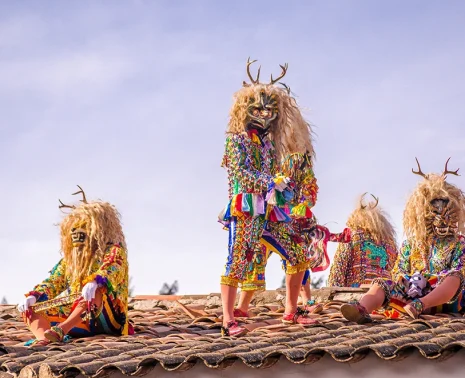
When Devotion Becomes Performance: The Meaning of the Paucartambo Festival
A Festival That Resists Simplification High in the southern Andes, a few hours from Cusco, the town of Pa...
Read Post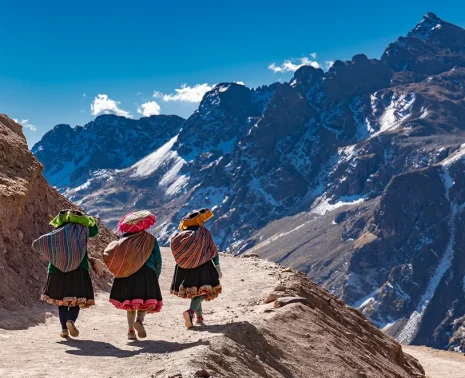
Qoyllur Riti: Pilgrimage, Ice, and the Endurance of Andean Faith
A Gathering Beyond the Language of Festivals High in the southern Andes of Peru, where altitude thins the...
Read Post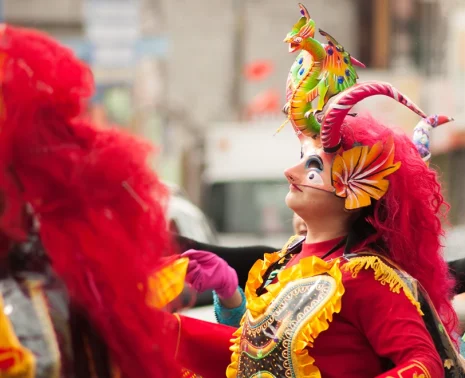
Carnaval Ecuador: A Cultural Celebration Best Experienced From the Inside
Carnaval in Ecuador is not one celebration. It is many, unfolding simultaneously across regions shaped by alti...
Read Post
8 DAYS
Luxury Machu Picchu Tours: Unveiling Peru’s Timeless Wonders
Cusco, Lima, Machu Picchu, Sacred Valley

8 DAYS
Peru Family Vacation: Journey to Machu Picchu and Beyond
Cusco, Lima, Machu Picchu, Sacred Valley

11 DAYS
Amazon River Cruise: A Luxury Journey Through the Amazon
Lima, Cusco, Sacred Valley, Machu Picchu, Iquitos, Amazon River