December 12, 2025 | by: Kuoda Authors


Every so often, news breaks that quietly reshapes the way travelers think about a place. Bolivia’s recent announcement regarding the Bolivia visa for US citizens feels like one of those moments. For years, Americans planning a journey to this high-altitude nation moved through extra steps: forms, fees, embassy visits, photos, photocopies. It was manageable with guidance, but it always required a bit more patience.
Now, with Bolivia signaling a shift toward visa-free entry for US travelers, the landscape is beginning to open. The announcement has sparked anticipation among those who have long dreamed of Uyuni’s mirror surface or Lake Titicaca’s sharp blue horizon. And for returning guests, it hints at an easier, more intuitive return to a place that rewards slow and thoughtful exploration.
The change is not yet fully in effect, but the direction is clear. Bolivia is preparing to welcome US visitors with fewer administrative barriers, and for travelers who value comfort, privacy, and seamlessness, this shift carries real meaning.
At Kuoda, we pay close attention to developments like this. Our team on the ground in Peru and across South America is already tracking how the transition may unfold, helping travelers understand what it means for their journeys. What follows is a deeper look at the news itself, why it matters, and how it may enhance future luxury travel in Bolivia.
What Is Changing with the Bolivia Visa for US Citizens?

The announcement, shared through official Bolivian communication channels, confirms the government’s intention to remove the visa requirement for US travelers. While the full timeline has not been finalized, the message is unmistakable: Bolivia is ready to welcome Americans with fewer entry obstacles.
For years, the visa process required US travelers to gather documents and coordinate with consulates or border officials. The process was never prohibitive, but it demanded forethought and precision. Once the updated policy goes into effect, entry is expected to become more streamlined, allowing travelers to focus on the experience rather than the paperwork.
For Kuoda guests, this means simpler planning, smoother arrival logistics, and a gentler start to a journey that may include altitude transitions or early-morning transfers. Fewer administrative steps also help last-minute travelers, who often find inspiration and act quickly. A simplified entry system makes spontaneity more feasible.
Why This Change Matters for Luxury Travelers

Luxury travel is not defined by extravagance alone. It is defined by how effortless a journey feels. Every removed barrier adds clarity, calm, and comfort to the experience. With the forthcoming shift in the Bolivia visa for US citizens, several key benefits emerge for Kuoda’s guests.
A More Seamless Arrival
Bolivia’s airports and border crossings can be busy, especially during seasonal peaks. Without the need to manage visa paperwork on arrival, US travelers will be able to move more smoothly into their private transfers, often the first quiet moment of the journey.
More Flexibility in Itinerary Design
Many travelers combine Bolivia with Peru, Chile, or Argentina. When visa requirements ease, it becomes simpler to craft multi-country itineraries that adapt to weather, seasonality, or personal interests. It also allows Kuoda to introduce more spontaneous additions, such as detours to remote altiplano lagoons or extra time along Lake Titicaca.
Lower Administrative Stress at Altitude
Travelers arriving in La Paz immediately feel the altitude’s intensity. Focusing on acclimatization rather than paperwork sets the tone for a more relaxed and enjoyable experience.
What This Policy Means for the Future of Tourism in Bolivia

Bolivia is not a mass-tourism destination. It attracts travelers who appreciate authenticity, cultural depth, and landscapes that resist comparison. Removing the visa requirement signals the country’s desire to welcome more visitors while still preserving its identity.
For Kuoda, this shift aligns with our vision of responsible, meaningful travel. Increased accessibility does not have to mean crowded destinations. Instead, it offers more opportunities to engage thoughtfully with communities, invest in local economies, and support the artisans and guides who shape Bolivia’s cultural landscape.
As part of our climate-positive commitment, we will continue offsetting more carbon than we produce, ensuring that easier access to the country pairs with regeneration and care. Our support of the Kaypi Kunan Foundation extends this effort, strengthening cultural preservation and education initiatives throughout the Andes.
Experiences Made Even More Accessible
A simplified Bolivia visa for US citizens will make it easier for travelers to reach places that already stand among South America’s most extraordinary regions. These experiences will not change in substance, but the ease in reaching them will enhance their impact.
Uyuni Salt Flats: A Landscape Beyond Scale
Uyuni remains Bolivia’s most famous icon. During the dry months, its cracked geometric surface stretches into the horizon. When the rains arrive, the ground turns reflective, blending sky and earth into one. With easier entry, more travelers will be able to experience Uyuni’s quiet magic without worrying about visa preparations.
Kuoda’s private Airstream stays on the flats elevate the experience with warmth, comfort, and the rare pleasure of isolation beneath the stars.
La Paz: A City of Layers and Light
La Paz challenges expectations. It is both ancient and modern, chaotic and calm. Cable cars glide above neighborhoods carved into cliffs, while street stalls pulse with color. With streamlined travel, exploring La Paz with a private guide feels even more approachable for travelers new to altitude.
Boutique hotels offer refuge between excursions, and Kuoda’s expert pacing ensures guests acclimatize gently.
Lake Titicaca: Cultural Depth on the Water
Easier entry will encourage more visits to the world’s highest navigable lake, where Andean traditions remain woven into daily life. Kuoda arranges private boat journeys, artisan encounters, and overnight stays with sweeping views across the water. The experience is spacious, reflective, and deeply human.
Bolivian Amazon: Biodiversity with Warm Hospitality
The Amazon in Bolivia is one of the richest ecosystems on the continent. Removing visa obstacles will support lodges and conservation projects that rely on sustainable tourism. Travelers can reach the rainforest with greater ease, stepping into a world of quiet lagoons, morning bird calls, and walks guided by local experts.
Kuoda’s Insider Guidance During the Transition
As the new policy works its way toward implementation, details will continue to evolve. Kuoda’s teams stay closely connected to embassy updates, immigration offices, and our on-the-ground partners, ensuring travelers always receive the most accurate information.
For now, travelers can plan with confidence knowing that:
- The visa change has been officially announced.
- The policy is expected to simplify entry for US nationals.
- Kuoda will handle all updates and advise guests on timing and requirements.
Our team has always managed visa processes on behalf of guests, coordinating documents and timing to minimize stress. Once the new guidelines take full effect, that process becomes even smoother.
Travel Responsibly Through a Changing System
Easing entry brings opportunity, but also responsibility. As more visitors arrive, it becomes even more important to travel with partners who uphold sustainability and community support. Kuoda’s carbon-positive operations ensure that each guest’s footprint is not only offset but reversed. Our community initiatives, led through the Kaypi Kunan Foundation, continue to champion Andean education, cultural preservation, and regenerative tourism.
Luxury travel can and should support the well-being of the places that inspire us.
FAQs About the Bolivia Visa for US Citizens
1. Is the Bolivia visa for US citizens officially eliminated?
It has been formally announced, though full implementation is still underway. Kuoda monitors updates closely and will guide each traveler through the latest requirements.
2. Can I plan a trip to Bolivia now?
Absolutely. Kuoda manages all entry logistics and ensures your documents reflect the current guidelines. When the updated policy takes effect, your process becomes even simpler.
3. Will multi-country itineraries be easier once the visa change is active?
Yes. Travel between Bolivia and neighboring countries will become more seamless, opening more options for customized itineraries.
4. Do I need to prepare anything while the transition is underway?
Our team will share the most up-to-date instructions. Until the policy takes full effect, travelers should still be prepared to follow existing requirements.
Plan Your Private Journey with Kuoda
The forthcoming update to the Bolivia visa for US citizens marks a new chapter for travel in this remarkable country. Soon, the first steps of your journey, arrival, immigration, acclimatization, will feel even more relaxed, clearing space for what truly matters: the salt flats at dusk, the warmth of a weaving workshop, the stillness of Lake Titicaca at sunrise.
Kuoda designs each journey with care, weaving together comfort, cultural depth, and seamless logistics. As Bolivia opens its doors more widely to US travelers, our team is ready to craft private, tailor-made itineraries that honor both your interests and the spirit of the destination.
When you’re ready to experience Bolivia with clarity and ease, reach out. We’ll guide you through every step, from planning to arrival, and into the heart of the Andes.

Luxury Vacations South America: A More Considered Way to Experience the Continent
Luxury vacations South America are often described through scale. Vast landscapes, iconic sites, a sense of di...
Read Post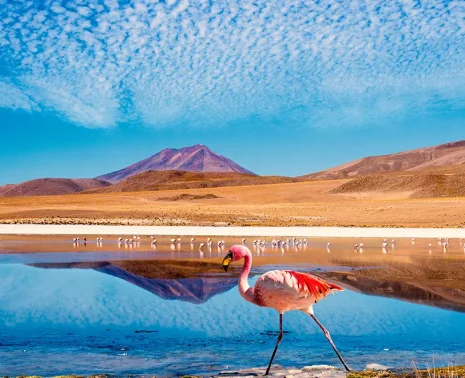
What to Do in Bolivia: Experiencing the Country Through Altitude, Isolation, and Depth
The question of what to do in Bolivia is often approached with curiosity. Salt flats, high-altitude cities,...
Read Post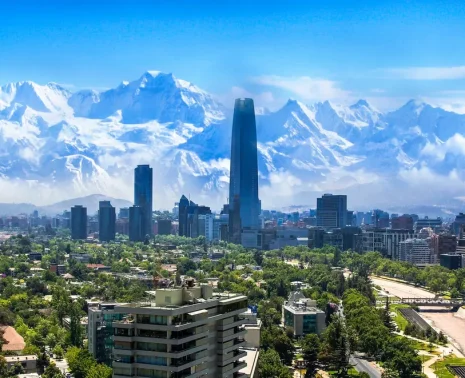
Chile Curated Journeys and the Art of Traveling Through Contrast Thoughtfully
Chile is a country shaped by distance and contrast. The Atacama Desert feels almost extraterrestrial in its...
Read Post
8 DAYS
Luxury Machu Picchu Tours: Unveiling Peru’s Timeless Wonders
Cusco, Lima, Machu Picchu, Sacred Valley

8 DAYS
Peru Family Vacation: Journey to Machu Picchu and Beyond
Cusco, Lima, Machu Picchu, Sacred Valley

11 DAYS
Amazon River Cruise: A Luxury Journey Through the Amazon
Lima, Cusco, Sacred Valley, Machu Picchu, Iquitos, Amazon River