October 27, 2026 | by: Kuoda Authors


Long before the rise of the Inca Empire, Peru was home to thriving pre Inca civilizations that laid the foundational stones of Andean culture, art, agriculture, and monumental architecture. These ancient societies developed sophisticated engineering systems and artistic expressions that continue to captivate modern travelers.
This comprehensive guide explores Peru’s most intriguing pre-Inca cultures, from the earliest urban centers of the Supe Valley to the coastal kingdoms and highland societies that preceded the Incas. Discover their enduring achievements and the archaeological sites that can enrich a personalized journey through Peru.
The Pre Inca Timeline: Who Came Before the Incas?
When travelers envision ancient Peru, the Inca Empire and Machu Picchu usually dominate the conversation. However, the Incas were relatively latecomers to a millennia-long cycle of Andean civilization.
From the monumental architects of the Supe Valley to the cloud warriors of the northern forests and the administrative masterminds of the Altiplano, Peru’s pre-Inca history is a mosaic of independent states, coastal kingdoms, and early empires. Understanding this timeline adds profound context to any luxury journey through South America.
What Were the Pre-Inca Civilizations of Peru?
The term pre-Inca civilizations refers to the diverse societies that developed across present-day Peru before the expansion of the Inca Empire in the 15th century. Far from belonging to a single culture or historical period, these communities flourished over thousands of years in coastal valleys, highland settlements, and fertile Andean landscapes. Some emerged as regional societies, while others established extensive political and religious networks that connected distant regions.
Their achievements helped shape the foundations of Andean civilization. Through sophisticated irrigation systems, monumental ceremonial centers, distinctive artistic traditions, and complex forms of social organization, these cultures created enduring legacies that would later influence the Inca world.
Caral: One of the Earliest Centers of Civilization in the Americas
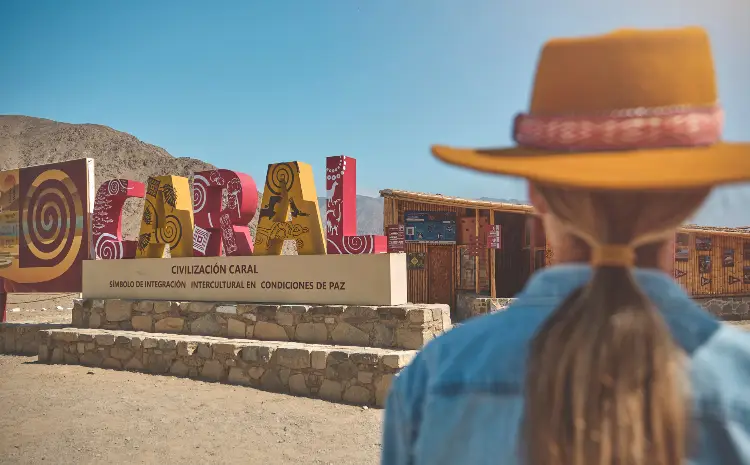
Flourishing over 5,000 years ago in the Supe Valley north of Lima, Caral is home to one of the earliest known urban centers in the Americas, contemporary with the rise of ancient civilizations elsewhere in the world. Designated a UNESCO World Heritage Site, the Sacred City of Caral-Supe is celebrated for its monumental pyramidal structures, sunken circular plazas, and remarkable urban planning. Archaeological discoveries, including musical instruments, reveal a sophisticated ceremonial and social life. Travelers fascinated by the origins of Andean civilization may incorporate a visit to Caral into a broader tailor-made journey through Peru, depending on their itinerary and travel schedule.
Chavín Culture and the Mysterious Temple of Chavín de Huantar
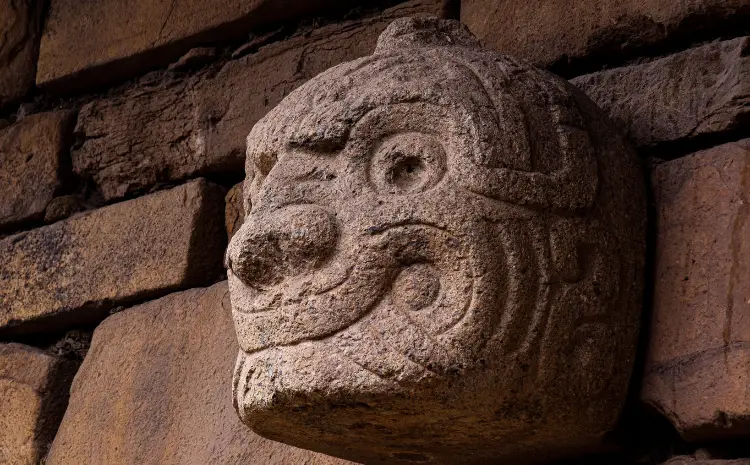
The Chavín culture flourished between approximately 1500 and 300 BCE, centered in the Andean highlands at the ceremonial complex of Chavín de Huántar. This UNESCO World Heritage Site became an influential religious center, renowned for its intricate stone carvings, underground galleries, and enigmatic iconography featuring felines, birds, and other symbolic figures. At its core stands the Lanzón, a monumental carved stone associated with ancient spiritual beliefs. Although Chavín de Huántar is not a regular destination in Kuoda’s itineraries, its legacy can be explored through important archaeological collections in Peru’s museums.
Paracas Culture: Masters of Textile Art
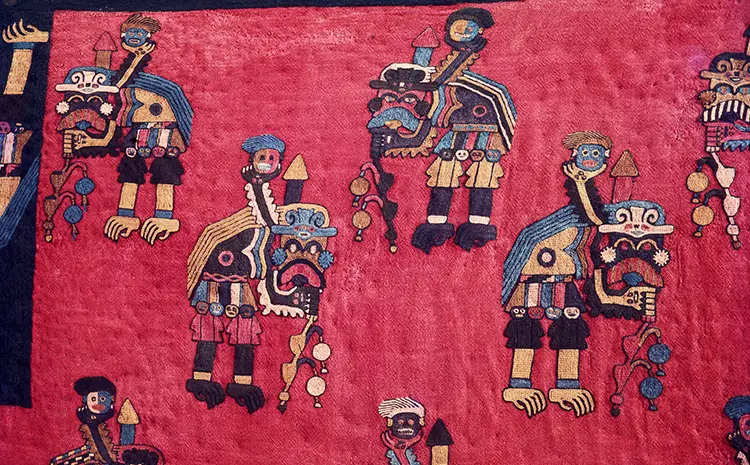
Thriving along Peru’s arid southern coast between approximately 800 BCE and 200 CE, the Paracas culture is renowned for its extraordinary textile artistry and evidence of sophisticated medical practices, including trepanation. Ceremonial settlements such as Ánimas Altas and Ánimas Bajas offer insight into the region’s early communities, while discoveries from Paracas burial contexts have revealed textiles with intricate designs, rich colors, and complex symbolic imagery. Travelers interested in this artistic legacy can explore relevant museum collections as part of a wider cultural journey through Peru.
The Moche Civilization: Artistic and Architectural Pioneers
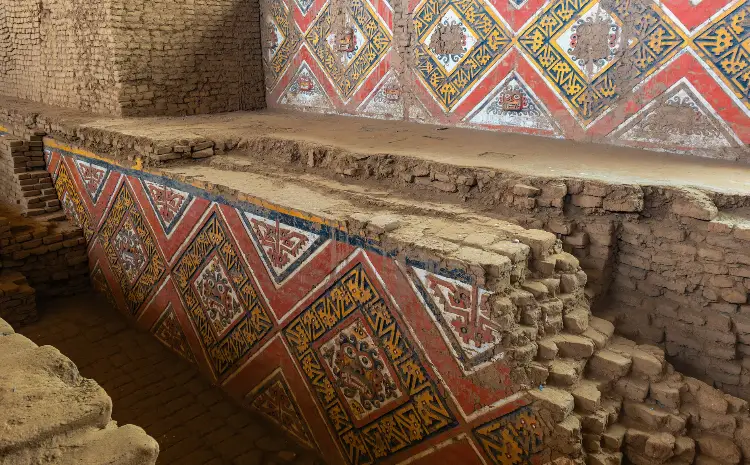
The Moche (or Mochica) civilization was a sophisticated society that flourished on Peru’s northern coast between approximately 100 and 800 CE, developing extensive irrigation networks and an extraordinary tradition of narrative pottery. Near Trujillo, Huaca de la Luna (Temple of the Moon) preserves striking polychrome murals that illuminate Moche ritual life and visual culture. Travelers can incorporate this remarkable site into a personalized journey through northern Peru, alongside other archaeological and cultural experiences in the region.
Nazca Culture and the Enigmatic Nazca Lines
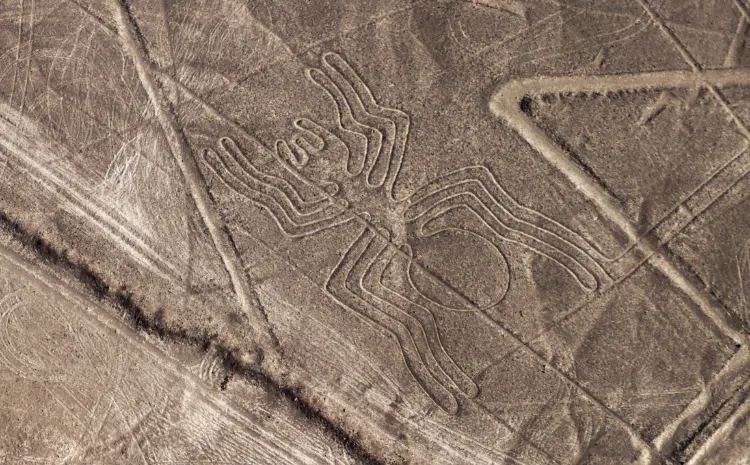
Flourishing from approximately 100 BCE to 700 CE in Peru’s southern desert, the Nazca culture is closely associated with one of the world’s most intriguing archaeological landscapes: the Nazca Lines. These immense geoglyphs, depicting geometric patterns and figures such as a hummingbird, spider, and condor, were created by exposing the lighter desert surface beneath darker stones. Their meaning continues to be studied, with ceremonial and water-related interpretations among the leading theories. Where appropriate to the traveler’s route, a scenic flight over the lines may be incorporated into a customized Peru itinerary, subject to weather, safety requirements, and operational availability. The geoglyphs themselves are generally dated to between 500 BCE and 500 CE.
Lima Culture: Urban Sophistication in the Ancient Capital
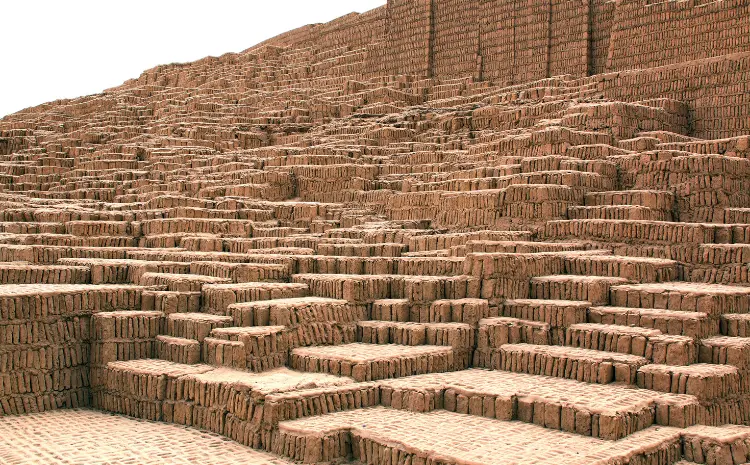
Long before colonial architects shaped modern Lima, the Lima culture (approximately 200–700 CE) established impressive ceremonial complexes along the central coast. In the Miraflores district, Huaca Pucllana is a monumental adobe pyramid built using distinctive upright bricks arranged in a technique often compared to books on a shelf. The site offers a compelling glimpse into ancient coastal society amid the contemporary city. A visit can be included among the cultural experiences of a personalized journey through Peru that features Lima.
Wari Civilization: An Early Andean Empire
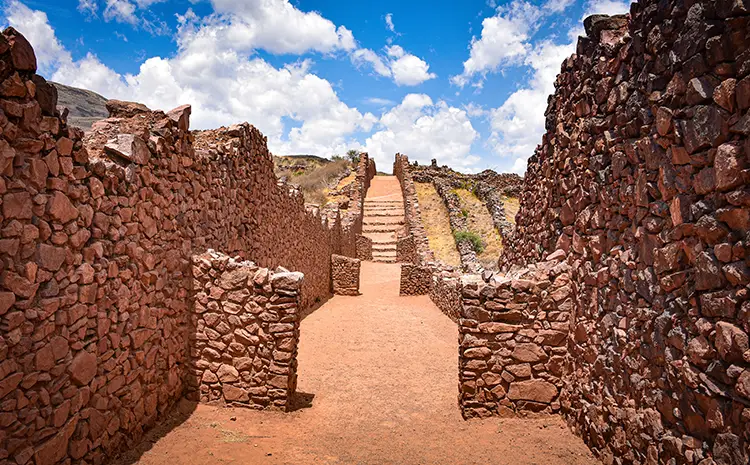
The Wari civilization expanded its administrative and cultural influence across much of present-day Peru between approximately 600 and 1000 CE, establishing planned centers and networks that preceded the later Inca state. Pikillacta, near Cusco, is an important Wari archaeological complex distinguished by its geometric urban layout. Pachacamac, near Lima, has a much longer history of religious importance and experienced successive periods of occupation, including Wari influence and later Inca expansion. Depending on the destinations included in a tailor-made Peru itinerary, travelers may explore Pikillacta or Pachacamac with expert local interpretation.
Chachapoyas Civilization: The Mysterious Cloud Warriors
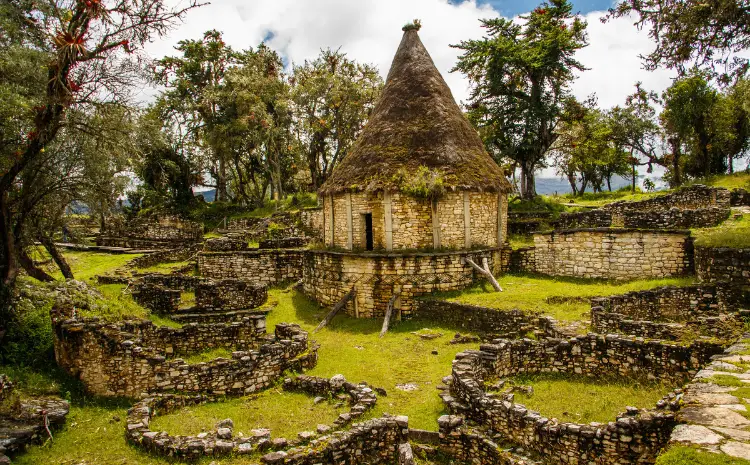
Known as the “Cloud People,” the Chachapoyas developed remarkable stone settlements in the misty cloud forests of northern Peru from around 900 CE until the Inca expansion. Often called the “Machu Picchu of the North,” Kuélap is an immense monumental complex distinguished by towering exterior stone walls and hundreds of circular structures above the Utcubamba Valley. For travelers drawn to lesser-explored archaeological landscapes, Kuélap can become a memorable part of a carefully designed journey through northern Peru, subject to local access conditions. Archaeological evidence indicates that occupation at Kuélap began centuries earlier, around 400 BCE.
Tiahuanaco Culture: The Great Builders of the Altiplano
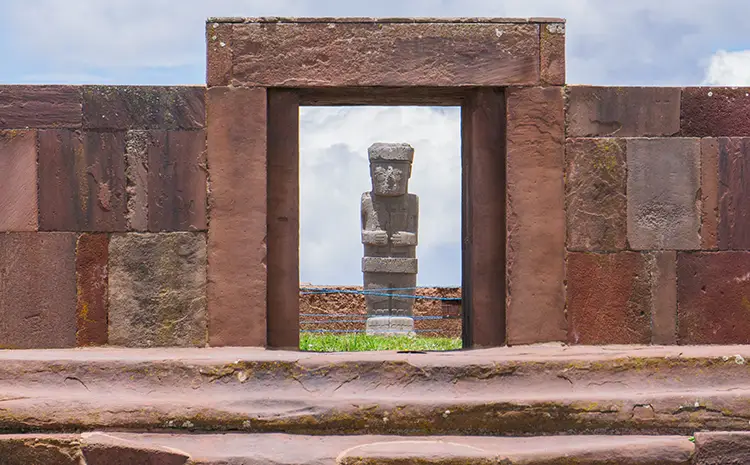
Centered near Lake Titicaca in present-day Bolivia, the Tiwanaku (Tiahuanaco) civilization exerted important religious and cultural influence across the southern Andes, including areas of what is now southern Peru, during the first millennium CE. Its monumental ceremonial center is renowned for the Gateway of the Sun, precise stonework, and imposing architectural complexes. Although the principal archaeological site lies outside Peru, travelers planning a personalized Bolivia or multi-country South America journey may consider including Tiwanaku as part of their wider exploration of Andean history.
Chan Chan: The Capital of the Chimu Kingdom
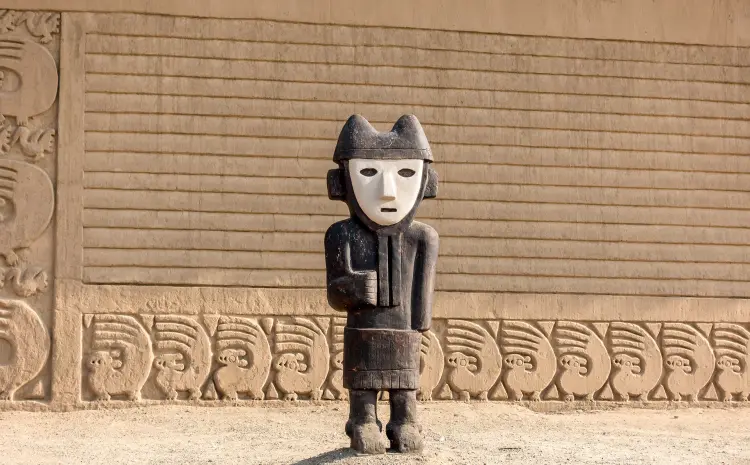
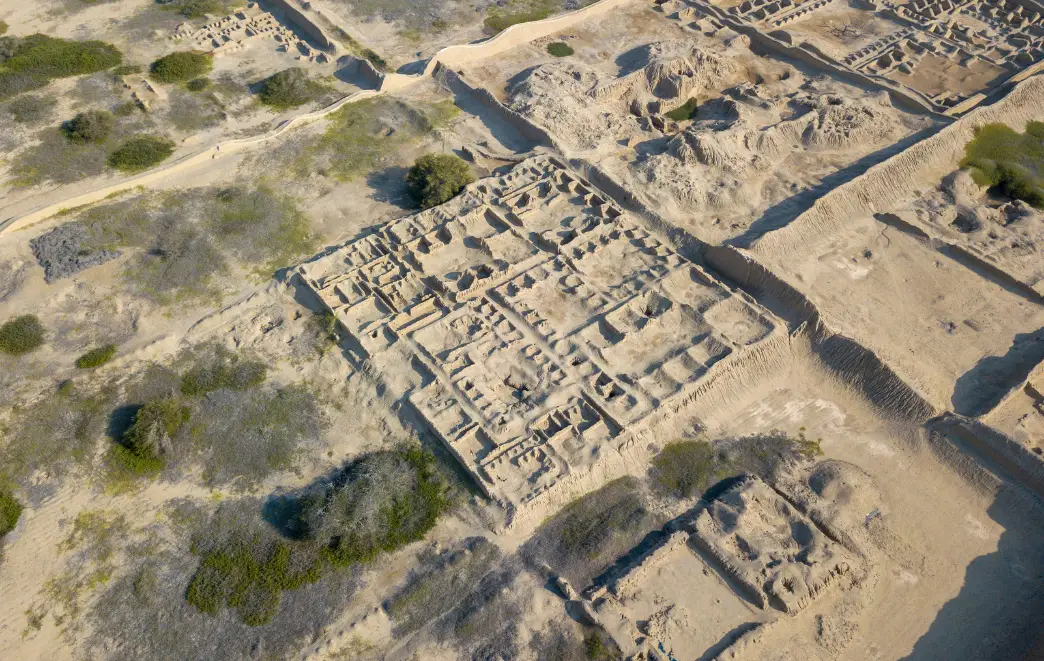
Emerging around 900 CE on Peru’s northern coast, the Chimú civilization established Chan Chan as the capital of its powerful coastal kingdom. This sprawling adobe city, among the largest of its kind in the pre-Columbian Americas, features ceremonial compounds and decorative reliefs inspired by birds, fish, and the marine environment. Travelers exploring northern Peru can incorporate Chan Chan into a customized itinerary that also highlights the region’s Moche heritage and living cultural traditions.
How Pre-Inca Civilizations Shaped Ancient Peru
Although each civilization developed its own identity, several shared achievements reveal the ingenuity of the ancient Andean world. Coastal societies transformed arid landscapes through irrigation canals and agricultural innovation, while highland communities adapted their settlements and ceremonial architecture to challenging mountain environments. Intricate textiles, finely crafted ceramics, and monumental stone and adobe structures provide insight into their beliefs, daily lives, and relationships with the natural world.
These contributions were not isolated developments. Trade, pilgrimage, artistic exchange, and political expansion helped ideas travel between regions over centuries, creating a rich cultural foundation that preceded the rise of the Incas.
Where to Discover Pre-Inca Heritage During a Journey Through Peru
Peru’s archaeological heritage extends far beyond a single destination. In Lima, sites such as Huaca Pucllana and Pachacamac reveal the enduring legacy of ancient coastal cultures. Farther north, Trujillo offers access to the ceremonial landscapes of the Moche and the remarkable adobe city of Chan Chan. Travelers drawn to the southern coast can discover the history of Nazca, while those exploring the Cusco region may encounter Wari influences at Pikillacta. In northern Peru, Kuélap introduces the distinctive architecture of the Chachapoyas.
Rather than approaching these places as stand-alone excursions, travelers can incorporate selected archaeological experiences into a broader, tailor-made journey through Peru. The most rewarding combination will depend on the regions included in the itinerary, the time available, and each traveler’s cultural interests. Kuoda’s Travel Designers can help weave these discoveries into a personalized route alongside Peru’s landscapes, living traditions, and contemporary culture.
Discovering Pre-Inca Peru with Kuoda
Exploring Peru’s pre-Inca civilizations reveals a rich, multi-layered tapestry of human innovation that shaped the Andean world long before the rise of the Inca Empire. From the primordial pyramids of Caral to the geometric mystery of the Nazca Lines and the cloud fortresses of Kuelap, each culture contributes uniquely to Peru’s vibrant historical identity.
At Kuoda, we believe that discovering these ancient roots brings greater depth to a journey through Peru. Our Travel Designers can weave selected archaeological sites, expert local guidance, thoughtfully chosen accommodations, and private transportation into a complete itinerary shaped by each traveler’s interests, available time, and preferred pace.
Frequently Asked Questions About Peru’s Pre-Inca Civilizations
What are the most famous pre-Inca civilizations in Peru?
Among Peru’s best-known pre-Inca cultures are Caral, Chavín, Paracas, Moche, Nazca, Lima, Wari, Chachapoyas, and Chimú. Tiwanaku, centered in present-day Bolivia, also influenced parts of the southern Andes and helps explain the wider cultural connections of the region.
Which pre-Inca site is the oldest in Peru?
Caral, in the Supe Valley north of Lima, dates back roughly 5,000 years. UNESCO recognizes the Sacred City of Caral-Supe as the oldest center of civilization in the Americas.
Was Machu Picchu built by the Incas or an earlier civilization?
Machu Picchu is an Inca site, generally dated to the 15th century. Although the Incas inherited and adapted ideas from earlier Andean societies, it would be inaccurate to describe Machu Picchu itself as a confirmed pre-Inca settlement.
What is the difference between pre-Inca civilizations and the Incas?
Pre-Inca cultures consisted of distinct, independent societies, kingdoms, and regional states across coastal deserts, Andean highlands, and cloud forests over thousands of years. The Incas emerged much later (around the 15th century) to rapidly unify these diverse regions under a single imperial administration.
Can I visit pre-Inca archaeological sites with Kuoda?
Yes. Travelers can include selected archaeological sites—such as Huaca Pucllana, Pachacamac, Pikillacta, Kuélap, or Chan Chan—as part of a complete, tailor-made journey through Peru. The sites included depend on the planned route, local access, and each traveler’s interests; Kuoda does not sell these visits as stand-alone excursions.
Can pre-Inca sites be included in a personalized Peru journey?
Absolutely. Kuoda designs complete private journeys rather than individual day tours. Its Travel Designers can incorporate suitable archaeological experiences into a broader Peru itinerary, with destinations and pacing tailored to each guest.
How do pre-Inca sites fit into a custom Peru travel itinerary?
Pre-Inca sites are best considered as part of a wider journey rather than isolated activities. A personalized itinerary might combine cultural experiences in Lima with the Moche and Chimú heritage of northern Peru or selected archaeological sites around Cusco, depending on travel time, regional logistics, and individual interests.
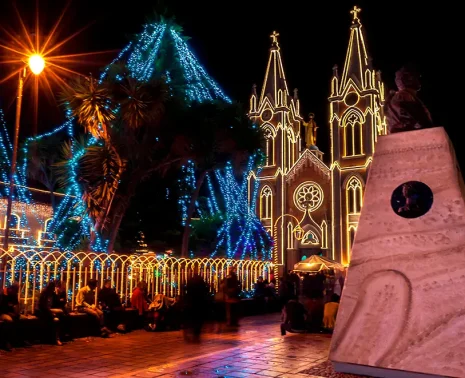
Christmas in Colombia: Traditions, Festivities & Where to Go
Christmas in Colombia is a season of glowing candles, lively music, family gatherings, and traditions that bri...
Read Post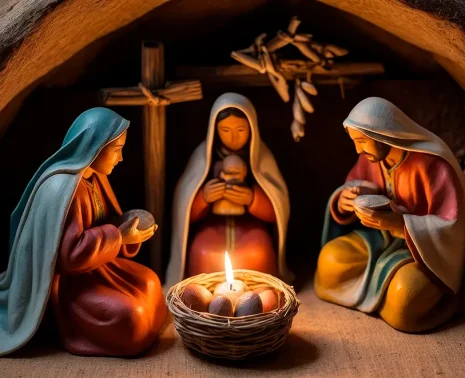
Christmas in Bolivia: Sacred Traditions, Cultural Encounters & Holiday Travel
In Bolivia, Christmas is more than a holiday. It is a meaningful blend of Catholic devotion, Andean cultural t...
Read Post
Christmas in Ecuador: Discover Cuenca’s Festive Traditions and the Galápagos
Christmas in Ecuador is a season of religious traditions, colorful processions, handmade nativity scenes, and ...
Read Post
8 DAYS
Luxury Machu Picchu Tours: Unveiling Peru’s Timeless Wonders
Cusco, Lima, Machu Picchu, Sacred Valley

8 DAYS
Peru Family Vacation: Journey to Machu Picchu and Beyond
Cusco, Lima, Machu Picchu, Sacred Valley

11 DAYS
Amazon River Cruise: A Luxury Journey Through the Amazon
Lima, Cusco, Sacred Valley, Machu Picchu, Iquitos, Amazon River